
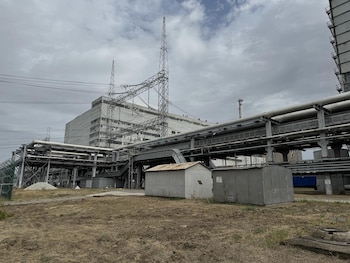
The conflict between Ukraine and Russia has escalated significantly, with Zaporiyia ‘s nuclear power plant becoming a focal point of tension. Recently, Russian authorities reported a fire at the plant’s industrial zone, allegedly caused by an attack from Kyiv’s forces . This incident has reignited fears concerning the safety and stability of the nuclear facility, which has been at the center of military confrontations since the onset of the war.
Context of the Conflict
The Zaporiyia Nuclear Power Plant , Europe’s largest, has been under Russian control since early 2022. Its strategic significance is high, making it a target for military operations from both sides. A key concern is the impact on nuclear safety , given the potential consequences of any military activity in close proximity to such facilities.
Details of the Recent Incident
According to the Russian administration of the plant, the fire, which is now under control, occurred in an industrial zone located approximately 1,200 meters from the nuclear facility. In their announcement via Telegram, they emphasized that the radiation levels in both the industrial estate and the health protection zone remain within natural limits and pose no danger to the surrounding population or the environment.
Additionally, Russian officials reported finding a dead civilian in a vehicle near the plant, linking the incident to the alleged Ukrainian attack. However, the specifics regarding the timing of this individual’s death remain unclear, as authorities have not confirmed if it took place during the attack. As tensions rise, both sides continue to exchange accusations, which has sadly become a recurring theme throughout the conflict.
Firefighting Challenges Amidst Hostilities
Firefighters from Russia’s Ministry of Emergency Situations faced additional challenges as they responded to extinguish the flames. They reported a second Ukrainian attack occurred during their operations, yet no casualties have been reported from that incident. This further underscores the dangers that emergency responders face in a conflict zone, particularly when military actions disrupt critical services.
International Reactions and Concerns
While Ukraine has yet to officially respond to the accusations, the United Nations Nuclear Agency , known as the International Atomic Energy Agency ( IAEA ), expressed serious concerns about the situation. The agency’s director, Rafael Mariano Grossi , stated that their team on-site heard explosions and observed smoke in areas near the plant. He noted that the timing of these activities coincided with military actions in the vicinity.
Grossi emphasized that “any attack in the immediate vicinity of a nuclear power plant, regardless of its objective, raises potential risks for nuclear safety. It is imperative to exercise maximum military restraint near such facilities to avoid the continuous risk of a nuclear accident.” This statement echoes the IAEA’s long-standing position on the paramount importance of nuclear safety during armed conflicts.
The Broader Implications
The escalation of violence around the Zaporiyia Nuclear Power Plant raises serious questions about the potential for a major nuclear incident in the region. The UN has repeatedly warned about the dire ramifications that could result if the security systems at the plant were compromised or damaged during military confrontations. With both sides blaming each other for hostilities, the prospects for diplomatic resolutions seem dim.
The ongoing conflict underscores the need for increased international oversight and dialogue to ensure the safety of such sensitive installations amid warfare. The world continues to watch closely as both Ukraine and Russia navigate this perilous situation, balancing military objectives with the responsibility to safeguard civilian lives and nuclear integrity.
In summary, the situation at the Zaporiyia Nuclear Power Plant symbolizes the precarious balance of military strategy and the urgent necessity for prioritizing nuclear safety. As tensions escalate, both regional stability and international peace hang in the balance, requiring concerted efforts to mitigate risks associated with military actions near nuclear installations.