
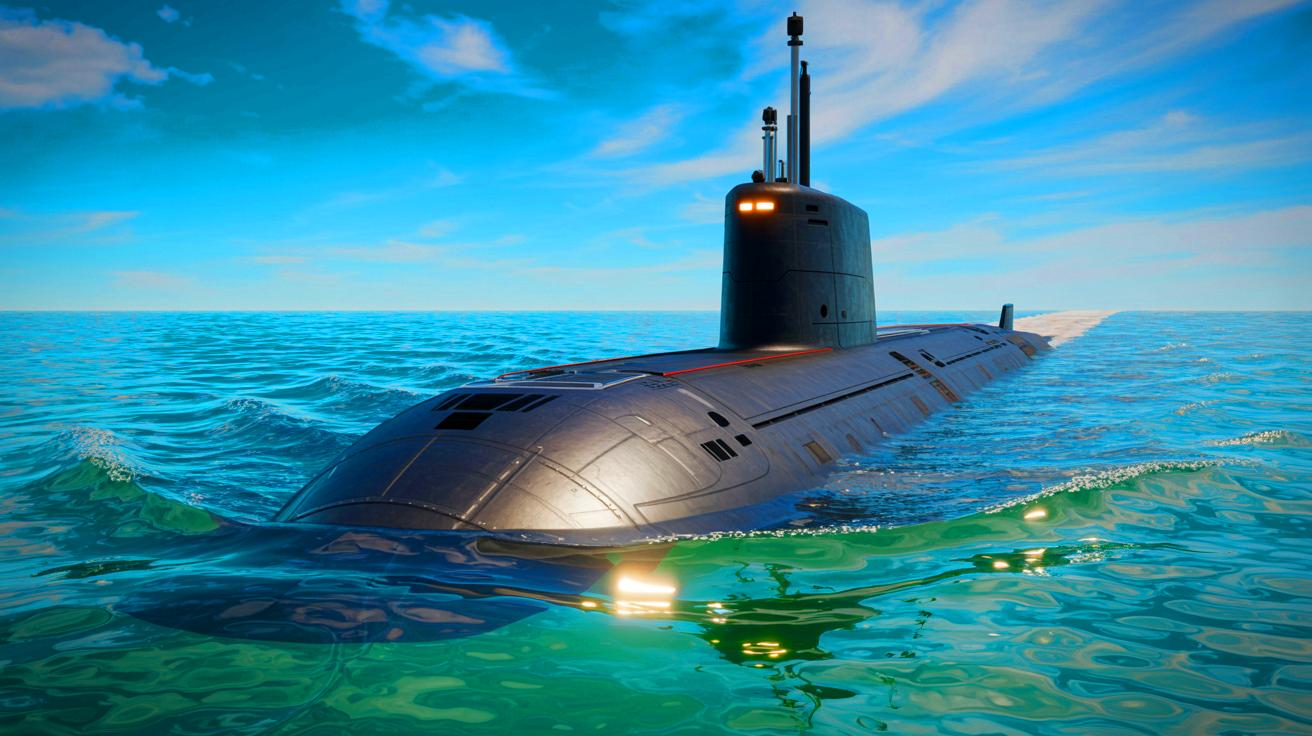
The Shift Towards Diesel-Electric Submarines: A Strategic Realignment for the U.S. Navy
The U.S. Navy is considering a significant shift in its underwater fleet strategy, exploring the potential acquisition of diesel-electric submarines. This marks a notable departure from its historic reliance on nuclear-powered submarines, historically viewed as the epitome of maritime strength. This transformation is driven by the changing landscape of global conflicts and new technological advancements that make diesel-electric submarines a more viable option for contemporary operations.
Why Diesel-Electric Submarines?
Changing Geopolitical Landscape
The contemporary geopolitical environment has necessitated a rethink of naval capabilities. Traditional nuclear submarines excel in deep-sea capabilities and long-duration missions but come with substantial operational costs. The shift towards diesel submarines, which are often smaller, more agile, and adaptable to shallow waters, aligns well with the needs of modern warfare, especially in littoral zones.
Advantages of Air-Independent Propulsion (AIP)
Advancements in Air-Independent Propulsion (AIP) technology have significantly enhanced the stealth and endurance of diesel-electric submarines. These systems allow submarines to operate for extended periods without surfacing, thereby increasing their capabilities to undertake covert missions. The improved stealth characteristics of modern diesel submarines offer a strategic advantage, making them suitable for intelligence gathering and special operations.
A Strategic Reassessment
Historically, the filtration into the "nuclear club" has been seen as a hallmark of a nation’s military prowess. However, with the increasing costs associated with maintaining a fleet of nuclear submarines, the U.S. Navy’s exploration into diesel-electric submarines reflects a pragmatic adjustment to resource allocation and operational needs.
The Financial Perspective
The high cost of nuclear-powered submarines, both in terms of initial construction and ongoing maintenance, leads to budget constraints. Diesel-electric submarines, on the other hand, offer a more cost-effective solution. The use of commercial off-the-shelf (COTS) components in their design fosters a more adaptable and affordable platform for naval missions.
Addressing Contemporary Threats
Given the evolving threats from nations such as China and Russia, the adoption of a flexible strategy becomes crucial. Diesel-electric submarines can enhance the U.S. Navy’s deterrence capabilities while providing greater operational flexibility during various mission scenarios.
The Future of Undersea Warfare
Investment Trends
Current projections indicate substantial investments in submarine capabilities over the next decade. The U.S. Navy is likely to continue funneling resources into nuclear submarines but will also need to allocate funds for developing a new class of diesel-electric submarines that prioritize adaptability.
Exploiting New Technologies
Integrating AIP technologies into the design and construction of diesel submarines presents an unprecedented opportunity to redefine their role in underwater warfare. As these technologies mature, they will likely result in submarines capable of matching the stealth and endurance of their nuclear counterparts.
Operational Integration
The successful integration of diesel-electric submarines into the U.S. Navy fleet offers a blueprint for robust military strategy and may allow the Navy to conduct diverse types of missions—from anti-submarine warfare to special forces deployment—more effectively.
Conclusion
As the U.S. Navy reassesses its undersea capabilities, the consideration of diesel-electric submarines highlights the importance of strategic flexibility in modern military doctrine. The integration of new technologies and a focus on operational costs may very well position the Navy to address both current and future threats more effectively.
The potential evolution of the U.S. Navy’s fleet strategy promises to enhance overall maritime operations, adapt to unfolding geopolitical scenarios, and maintain its strategic edge amid changing global dynamics.
| IN BRIEF |
|
The U.S. Navy, a pioneer in nuclear submarine technology, is today contemplating a surprising shift towards diesel-electric submarines . This reflection is motivated by changes in global conflict environments, where smaller, quieter, and more maneuverable SSKs are proving better suited for operations in shallow waters than their larger and costlier nuclear counterparts. The advent of AIP has enabled these conventional submarines to achieve extended submerged endurance and stealth previously reserved for nuclear platforms, thus broadening their operational scope for missions like special operations. Moreover, the integration of COTS could render diesel-electric submarines a more economical and adaptable option for missions.