
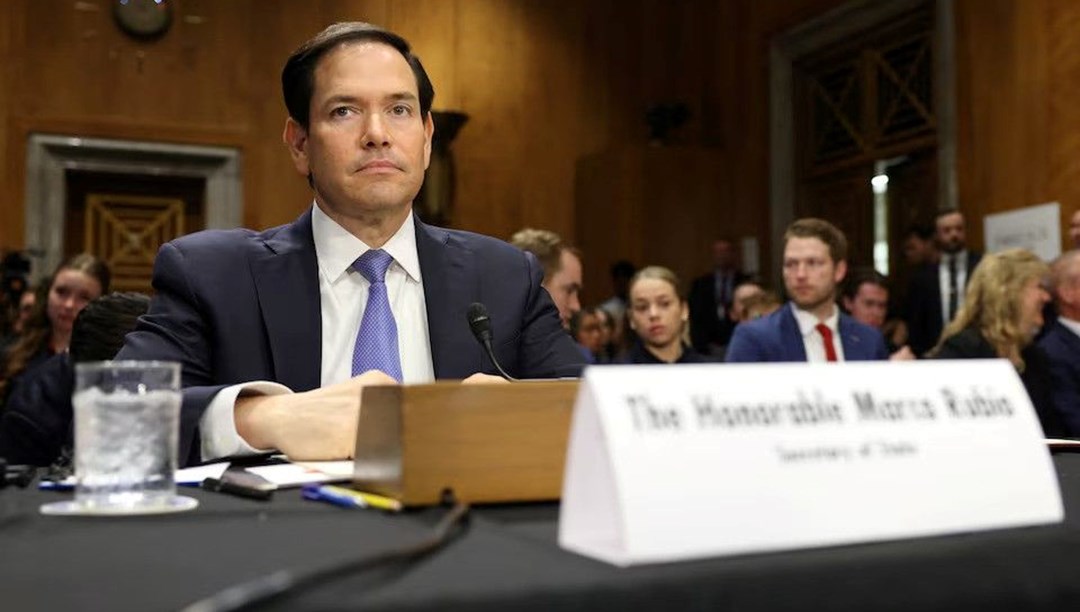
U.S. Secretary of State, Marco Rubio, Addresses Taliban Designation
In a press statement on Wednesday, U.S. Secretary of State Marco Rubio brought to light a pivotal discussion concerning the designation of the Taliban as a “foreign terrorist organization.” This dialogue unfolded during a session of the House Foreign Affairs Committee, shedding light on the complexities surrounding U.S. foreign policy and national security.
Context of the Taliban’s Designation
The Taliban has been a contentious group in U.S. politics since its emergence in the 1990s. Originally formed to bring order in post-civil war Afghanistan, the group’s severe interpretation of Islamic law led to widespread condemnation and subsequent action by international forces, notably the United States. Post-9/11, the Taliban became synonymous with terrorist activities, leading to military interventions and longstanding conflicts in the region.
Current Reassessment of Classification
During the congressional hearing, Republican Representative Tim Burchett from Tennessee posed a critical question about the current classification of the Taliban and whether the U.S. government might change its stance. Rubio responded thoughtfully, indicating that the U.S. Administration is currently undergoing a re-evaluation process regarding the classification of the Taliban as a terrorist organization.
This reassessment highlights the dynamic nature of foreign policy as the Taliban has undergone significant transformations since the U.S. troop withdrawal in 2021. The governance style of the Taliban under its current leadership, which may seek legitimacy on the international stage, complicates the classification issue.
Implications for U.S. Foreign Policy
If the U.S. decides to remove the “terrorist” label from the Taliban, it could open doors for diplomatic engagement. This potential shift raises numerous implications regarding human rights, governance, and stability in Afghanistan. The Taliban’s policies, particularly concerning women’s rights and freedom of speech, have drawn widespread criticism globally.
Should the Biden Administration embrace a new approach, it would require delicate negotiation strategies that balance diplomatic relations with humanitarian efforts. The plight of the Afghan people—amidst food insecurity, economic collapse, and political oppression—remains a significant consideration for U.S. policy makers.
International Perspective on Taliban Classification
The international community is closely monitoring the discussions about the Taliban’s designation. Countries such as China, Russia, and various Middle Eastern nations have expressed varying degrees of interest in the Taliban, considering them a potential partner for regional stability, while others remain steadfast in their concerns regarding terrorism and human rights abuses.
Engagement with the Taliban could pave the way for dialogues on issues like counter-terrorism efforts and regional security. However, it also poses a risk of legitimizing a regime perceived as oppressive and extremist. The United Nations and other international organizations have consistently advocated for stringent measures to hold the Taliban accountable for its past and present actions.
Domestic Reactions and Political Ramifications
Within the United States, the reassessment of the Taliban’s designation is stirring varied responses. Critics argue that altering the classification could be seen as a betrayal of American values, particularly concerning the treatment of Afghan women and girls under Taliban rule.
Conversely, proponents argue that a strategic partnership could foster a more stable and positive outcome for the Afghan population. This dichotomy presents a challenge for the Biden Administration as it navigates a politically charged landscape where foreign policy decisions could significantly impact domestic approval ratings and overall party unity.
Strategic Considerations Moving Forward
As the U.S. deliberates on the Taliban classification, strategic considerations become paramount. Maintaining national security interests, protecting U.S. allies, and meeting humanitarian needs will require a nuanced approach. Engaging with the Taliban must come with clear conditions that prioritize human rights and regional stability.
Moreover, diplomatic efforts should involve coalition-building with other nations that share similar concerns regarding the Taliban. Collaborative efforts could lead to a consolidated strategy to address broader issues like drug trafficking and terrorism in the region.
Conclusion
In conclusion, the ongoing discussions regarding the Taliban’s designation as a terrorist organization reflect the complexities and challenges inherent in U.S. foreign policy. Secretary Rubio’s comments encapsulate a pivotal moment in which U.S. lawmakers must weigh the importance of national security against the realities of humanitarian needs in Afghanistan. The outcome of this reevaluation could profoundly influence not only U.S. foreign relations but also the lives of countless individuals affected by the Taliban’s rule. As dialogue continues, the commitment to safeguarding human rights and addressing the multifaceted crises in Afghanistan must remain at the forefront of U.S. policy considerations.