
A Serious Incident in North Korea’s Naval Ceremony
Recent reports highlight a significant mishap during a naval ceremony in North Korea, particularly focused on the launch of a new destroyer at the Chongjin Port. This incident has drawn considerable attention due to its implications for both military preparedness and operational oversight within the North Korean navy.
Launch of the New Destroyer
According to the Korean Central News Agency (KCNA), the ceremony marked a pivotal moment for the country’s naval capabilities. The new 500-ton warship was set to enhance North Korea’s defensive and offensive maritime strategies. However, the event took a turn for the worse when the destroyer slipped off the launching ramp and grounded itself on the coast.
Witnesses noted the unexpected nature of the event, causing a mix of astonishment and concern among military officials and attendees. This was supposed to be a proud moment, illustrating the technological advancements North Korea purportedly has made in maritime warfare. Instead, it has raised questions about the military’s proficiency and operational procedures.
Technical Malfunctions and Consequences
Initial reports indicate that the hull of the ship was crushed, leading to a significant loss of stability. The vessel was unable to be launched into the water as planned, which could have severe repercussions for its future operational capabilities. The implications of such a technical malfunction are extensive, not just for the immediate scenario, but also for the maritime defense protocols established by the North Korean regime.
The grounding of this new destroyer serves as a reminder of the complexities involved when transitioning from ship design to actual deployment. In maritime operations, any lapse in planning or execution can result in cascading failures, potentially jeopardizing the entire mission and strategic goals.
Kim Jong-un’s Reaction
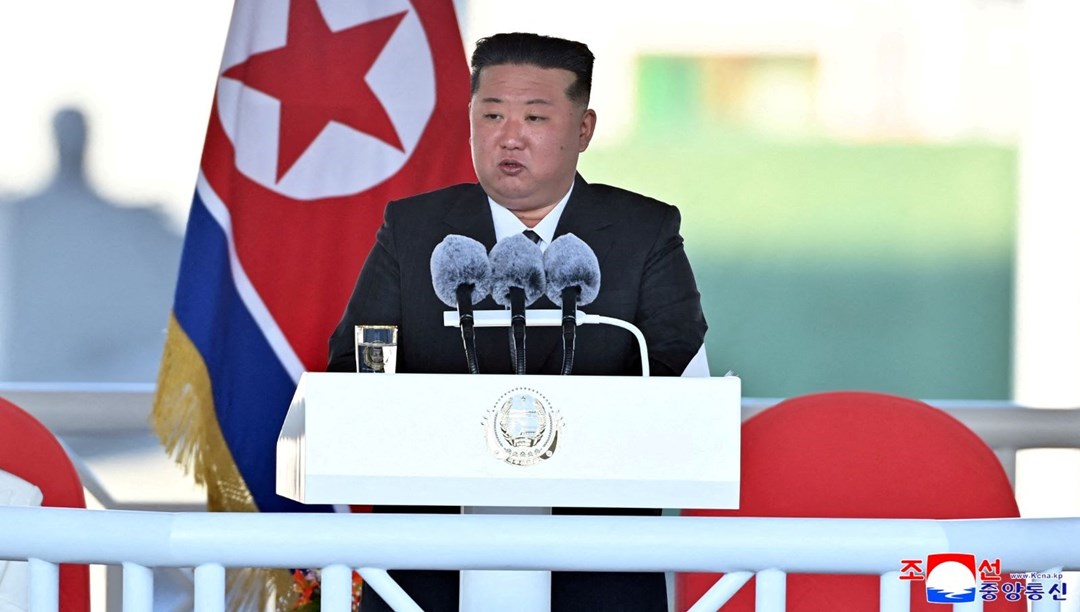
Kim Jong-un, the supreme leader of North Korea, was reportedly present at the ceremony when the mishap occurred. Following the event, he expressed his outrage towards the military commanders. He labeled the incident as not only a “serious accident” but also a “criminal act” stemming from negligence and irresponsibility.
This reaction signifies the high stakes associated with military events in North Korea, where failures can translate into political backlash. Kim’s leadership style often emphasizes accountability within the ranks, and such incidents can lead to severe consequences for those involved.
Reflections on Military Accountability
The incident emphasizes the significant risks in overseeing military projects. Accountability is crucial in the military context, and lapses can lead to detrimental outcomes, not just for the project at hand, but also for the leadership image in the eyes of both local and international stakeholders. Kim’s strong response underscores the intense pressure that exists within North Korea’s military hierarchy.
Failure at such high-profile events can cause disruption in the traditional chain of command, fostering an atmosphere of distrust and fear among military officials. They may reconsider their actions and decisions moving forward, creating a culture focused on avoiding mistakes rather than proactive innovation.
Implications for North Korea’s Navy
This incident may have broader implications for North Korea’s naval capabilities. The grounding of the destroyer calls into question the state of readiness of the North Korean navy. It raises concerns about the training and preparedness of personnel tasked with launching high-stakes military assets.
Moreover, the event might trigger an intensified scrutiny of construction standards and maintenance protocols for naval vessels. If the military cannot ensure that ships can be launched successfully, it undermines the entire function of a modern naval fleet. This event further complicates North Korea’s pursuit of military modernization in a rapidly changing geopolitical landscape.
Regional and Global Reactions
The incident is likely to draw interest from regional actors and global powers. North Korea’s military operations have often been a point of contention, and such mishaps could lead to enhanced monitoring from interested parties. Countries in the region may interpret this kind of incident as an opportunity to assess and recalibrate their own military strategies concerning North Korea.
Prospective Developments
In the aftermath of this incident, observers speculate on possible policy shifts within the North Korean military establishment. Should the regime choose to increase oversight following this mishap, it may signal an intent to bolster military effectiveness. Conversely, if issues of accountability are not addressed, it could lead to future failures that might jeopardize national security interests.
Conclusion: Reflecting on Future Implications
The serious accident during the launch of the new destroyer represents more than just a momentary setback for North Korea’s military. It reflects deeper issues within the naval force concerning organization, oversight, and readiness. The outcome of this incident could potentially reshape military dynamics within North Korea and have lasting implications for regional security and stability.