

Madrid’s Bicimad: A Rising Concern Over Rider Misuse
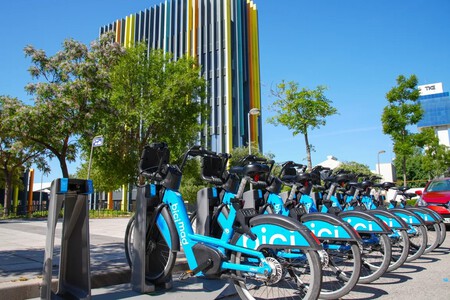
Launched over a decade ago, Bicimad was envisioned as a public transport initiative aimed at providing shared bicycles to the residents of Madrid. The concept was straightforward: facilitate an easier and more economical way for people to navigate the city by bike. Over the years, the network of Bicimad has grown, but it has also attracted a different kind of user: riders who leverage the system for delivery purposes, bypassing existing regulations.
In response, the Madrid City Council has decided to take action.
Identifying the Problem
What has triggered this intervention? The City Council has grown increasingly concerned about the misuse of Bicimad bikes by delivery personnel. In a clear announcement from Borja Carabante, the delegate for Urban Planning, Environment, and Mobility, the message was straightforward: the service was intended for personal use by residents and tourists, and not for commercial exploitation—a practice that is explicitly prohibited by its regulations.
The Impact of Misuse
Is the issue significant? The answer appears to be both yes and no. The Municipal Transport Company (EMT) has acknowledged that while they do not have evidence of widespread misuse by riders, isolated incidents have been reported. Carabante has been more explicit in addressing the observable trend of increasing cases of misuse. The City Council has mentioned an uptick in instances where delivery personnel engage with the service, raising alarm over the financial strain this places on the publicly funded system.
Regulations vs. Reality
The crux of the problem doesn’t just lie in the frequency of misuse, but rather the outright violation of the service’s foundational principles. The regulations under Chapter XI of Bicimad explicitly state that bicycles should exclusively be used for transporting users, explicitly barring the transport of goods or for commercial purposes.
So, why are riders still utilizing this service? The answer lies in the compelling advantages Bicimad offers. With over 7,700 bicycles and 630 stations scattered throughout 21 districts, users can acquire electric bikes equipped with a 250W central motor and a range of up to 70 kilometers for a mere 10 euros monthly. The system also offers unlimited rides of up to 30 minutes at no charge, making it financially attractive for delivery personnel.
The City Council’s Response
The Madrid City Council has made it clear that they are cognizant of the issues stemming from rider misuse and that they are unwilling to ignore this trend. Plans are underway to discourage delivery drivers from exploiting Bicimad for their professional activities. One strategy being considered is the introduction of special rates for these users, making it less appealing for them to circumvent service regulations.
Carabante noted, “We will have to evaluate if a specific rate can be introduced for this type of activity… The low rates currently offered make it attractive for delivery personnel.” Alongside this, the City Council is also contemplating increasing their oversight of who is renting bikes to gauge the extent of the problem. A forthcoming surveillance initiative will seek to observe the actual use of bicycles in real-time.
Challenges Ahead
Despite these intentions, the City Council faces an uphill battle. As riders utilize the same rental cards as standard users, establishing whether the bikes are being used for commercial purposes will require direct intervention from law enforcement. So far, enforcement against improper usage has been minimal. Although this problem is not new, the City Council’s commitment to addressing the issue seems stronger than ever, aiming to clamp down on a trend that undermines the core mission of providing accessible biking options for ordinary citizens.
Images | Bicimad