
The Rise and Influence of El Hormiguero
El Hormiguero has become the flagship program of Antena 3, captivating audiences across Spain. Since its debut, the show has maintained its popular status and has become a staple in the access prime-time television slot. Hosted by the charismatic Pablo Motos, this program combines entertainment, interviews, and various segments that keep viewers engaged.
The program’s longevity is impressive, and it successfully competes with other popular shows like La Revuelta, which is hosted by David Broncano. The vibrant atmosphere and engaging content make El Hormiguero a daily ritual for many Spanish households, cementing its place in contemporary TV culture.
High-Profile Guests and Controversial Topics
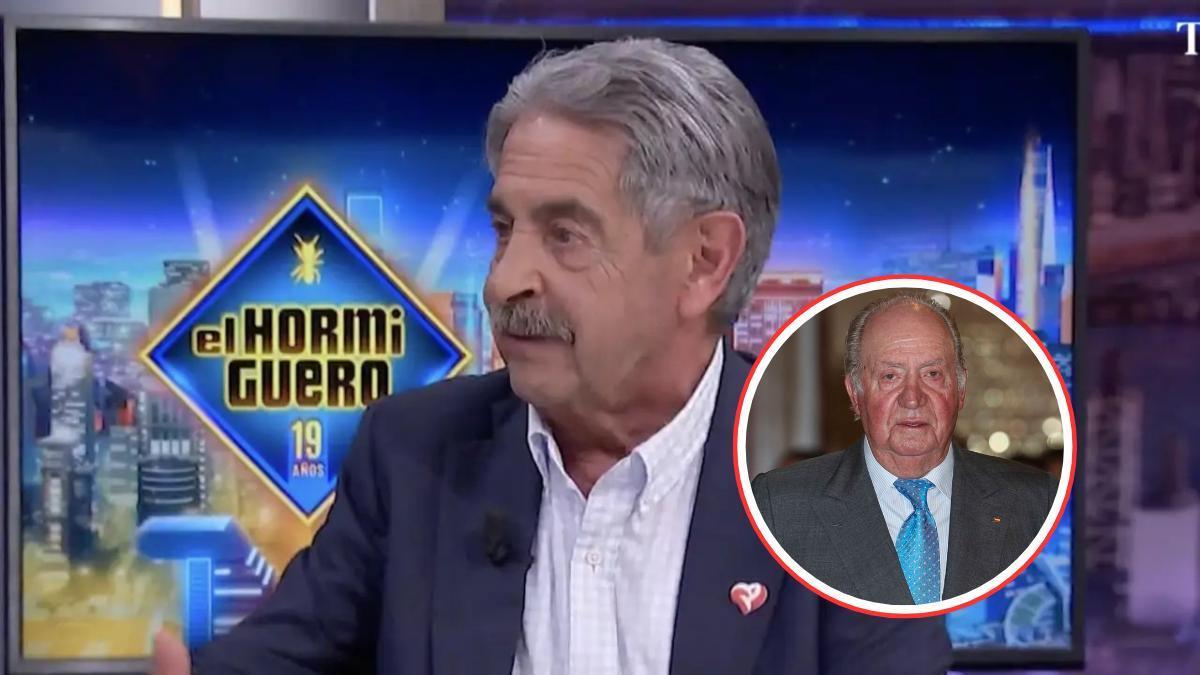
One of the defining features of El Hormiguero is its ability to attract high-profile guests. The episode on May 20th featured Miguel Ángel Revilla, former president of Cantabria, who has become a regular on the show over its nine seasons. Recently, he has made headlines due to his publicized confrontations with Juan Carlos I, the former King of Spain. Revilla’s powerful statements, including phrases like “is the great disappointment of my life” and "tax delinquent accusations," have not gone unnoticed.
Through such high-profile appearances, El Hormiguero gives a platform to voices that often spark intense public debate. The show’s casual setting contrasts with the seriousness of the issues discussed, offering viewers a unique blend of entertainment and insightful commentary on current affairs.
Legal Battles and Public Concerns
After making explosive claims regarding the royal family, Revilla revealed that Juan Carlos I plans to pursue legal action against him for violation of the right to honor. This legal challenge is centered around claims that prompted a reconciliation act, which ultimately failed to occur. As the situation escalates, it seems likely that the case will move from the public eye directly into the court system.
In light of these developments, Revilla expressed that he is facing considerable stress and headaches due to the ongoing legal drama. Appearing on El Hormiguero, he humorously remarked that he would need “three hours of programming” to fully convey his feelings. Yet, amid the chaos, he proclaims a sense of inner peace, stating, “What matters to me is my peace of mind and having a clear conscience.”
The Shattered Relationship
The previously amicable relationship between Revilla and Juan Carlos has deteriorated over time, particularly as allegations emerged linking the King to potential fiscal crimes. According to Revilla, this breakdown has reached a “point of no return,” highlighting the fragile nature of personal and public relationships in the face of controversy.
During his appearance, Revilla openly expressed his shock at the legal proceedings and the pressure being exerted on him to retract his statements. He described a surreal request that he deny his claims, saying, "They are demanding I say that I have lied; that’s very strong."
The Role of Public Perception
Public perception plays a crucial role in these unfolding events. Revilla called upon the King to appear in court when summoned so that he can face the questions being posed. His desire for transparency underscores a need for accountability, particularly for public figures. Revilla pointed out that media representation and public misconceptions around legal privileges, such as afforamiento, have complicated the narrative, making it difficult for the general public to understand the nuances of the legal system involved.
Conversations with Influential Figures
Revilla also shared insights from his recent conversations with Josep Borrell, the former Vice President of the European Commission. Borrell suggested that if Juan Carlos I is focused on his public image rather than addressing individuals with similar controversial histories, it reflects the King’s charisma and popularity. “He presents it to you because people listen to you,” Revilla recounted Borrell’s perspective.
These conversations not only reveal Revilla’s strategic thinking about public discourse but also illustrate how political charisma can significantly influence public narratives in Spain.
Conclusion
El Hormiguero is not just a television show; it serves as a platform for public discussion on critical issues affecting Spanish society. As it continues to showcase high-profile guests like Miguel Ángel Revilla, the program remains a vital part of Spain’s media landscape. Topics such as royal controversies, public accountability, and societal challenges are illuminated through the lens of entertainment and laughter, making the serious matter accessible to everyday viewers.
The interplay of entertainment and politics on El Hormiguero highlights not only the evolving nature of media but also the significant role that public figures play in shaping public opinion and influencing societal norms. As legal battles unfold, viewers will eagerly watch to see how these narratives develop within the vibrant and often tumultuous realm of Spanish media.