
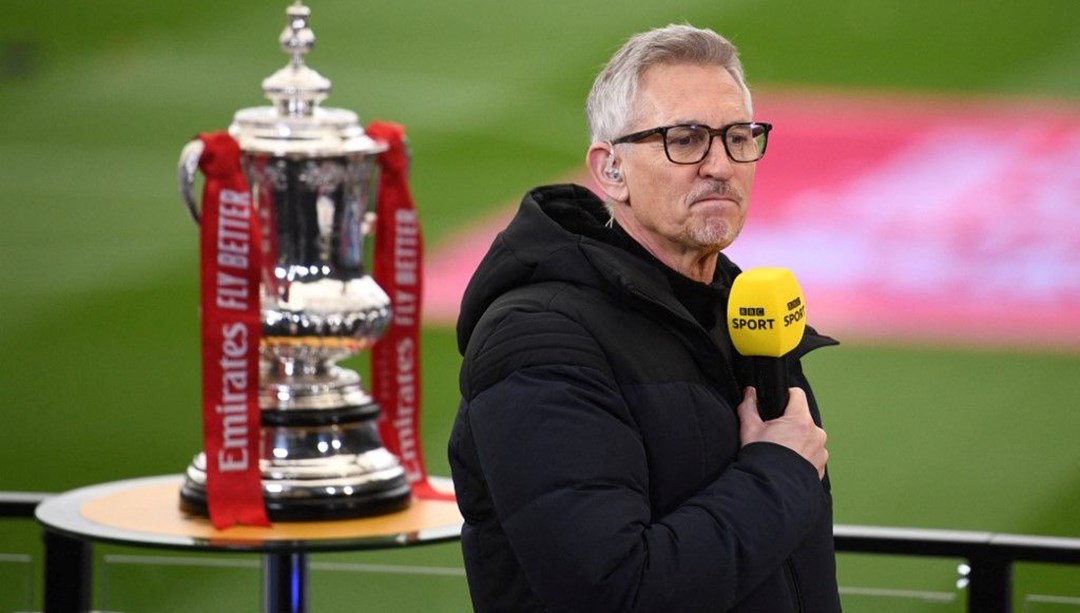
The Departure of Gary Lineker from BBC: A Controversial Exit
Legendary English footballer Gary Lineker has announced his departure from the BBC after an impressive 26 years as a commentator. This unexpected decision is reportedly influenced by pressure from Jewish lobbying groups, raising concerns about freedom of speech and the limits of editorial independence in media.
Background of the Controversy
Last week, Lineker sparked outrage after sharing a post on social media that included a controversial illustration depicting **Zionism** as akin to a rat. This move drew swift condemnation from various Jewish organizations that accused him of perpetuating harmful stereotypes. Following a significant backlash, Lineker deleted the post and issued an apology, attempting to mend the damage caused by his remark.
Lineker’s Career with BBC
The 64-year-old football icon, who famously played for clubs such as **Leicester City**, **Everton**, **Barcelona**, and **Tottenham**, has been an integral part of the BBC’s sports coverage. His knack for insightful analysis and engaging commentary has made him a household name in the world of sports journalism. However, this remarkable career has now taken a controversial turn.
Impacts of Political Views
Lineker has been vocally critical of the UK government’s anti-refugee policies, leading to a temporary suspension from his role at the BBC in 2023. His comments led many to argue that the BBC had compromised its impartiality by acting against an employee expressing personal political views. With this latest controversy, the question of whether the BBC is maintaining its editorial independence is being fiercely debated.
Statement from Lineker
In a recent program, Lineker articulated his views on the current state of affairs, stating, “I am not Muslim; I am not Palestinian. I don’t remember seeing anything worse throughout my life. I am constantly in tears.” His emotional appeal highlights not only his personal experiences but also calls attention to the broader humanitarian crises affecting many people worldwide.
The Use of Imagery in Propaganda
The use of rat imagery in Nazi Germany during the 1930s to depict Jewish communities is a painful chapter in history. The parallels drawn in this context have sparked fear among many regarding the revival of anti-Semitic imagery in contemporary discourse. Lineker’s illustration has been linked to these deeply rooted issues, contributing to a volatile conversation surrounding identity and representation.
The Media’s Responsibility
Media outlets like the BBC hold a significant responsibility in shaping public discourse. The clash between freedom of expression and maintaining a balanced narrative is a complex issue facing many journalists today. As public figures navigate these waters, it becomes crucial to assess the ramifications of their statements on societal perceptions of marginalized communities.
Lineker’s Legacy and Future
As Gary Lineker exits the BBC, his legacy as not only a footballer but also a public figure advocating for human rights continues to influence discussions in the media. His departure raises critical questions about how sports personalities can utilize their platforms responsibly while remaining true to their beliefs. Many fans and critics alike are left to ponder the potential impacts of his exit on sports broadcasting and political dialogue.
Concluding Thoughts on the Situation
This incident has ignited a crucial conversation about the responsibilities of public figures when discussing contentious political issues. While Lineker’s departure may signify the end of an era for BBC sports commentary, it also serves as a reminder of the delicate balance between personal beliefs and professional obligations. As society navigates these complex themes, the discussions around **freedom of speech**, **media responsibility**, and **cultural sensitivity** will undoubtedly continue to evolve.