
Sony Bravia 3 K-65S3 Review: A Comprehensive Look at the New LCD Television
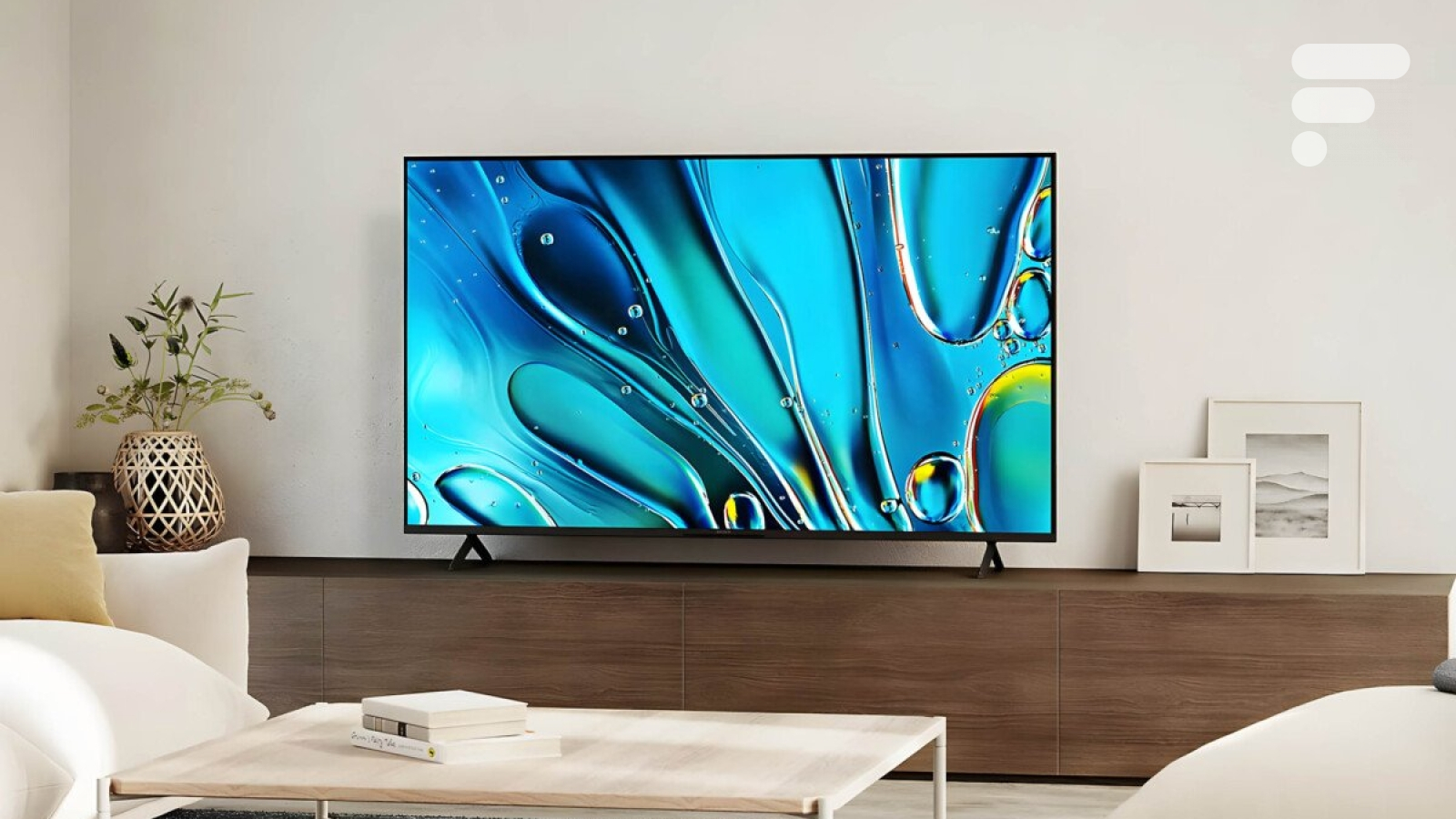
Sony continues to diversify its television offerings with the introduction of the Sony Bravia 3 series, unveiled alongside the higher-end Bravia 5 models. The Bravia 3 consists of LCD televisions featuring a Direct LED backlighting system, targeting the entry-level market in 2025. Available in diagonal sizes ranging from 43 to 85 inches , this model centers its efforts on the fundamentals: a reasonable Ultra HD display , Sony’s image processing technology, and a comprehensive Google TV interface .
Emphasizing simplicity, Sony has chosen to avoid advanced technologies like QLED or OLED for the Bravia 3. Instead, it focuses on providing an attractive price-to-performance ratio , aiming to entice consumers seeking a versatile television without breaking the bank.
The X1 4K HDR image processor , inherited from Sony’s previous high-end lines, supports content upscaling and image optimization with proprietary algorithms. HDR compatibility spans formats like HDR10, HLG , and Dolby Vision , allowing the television to adapt to various market standards. Sony’s proprietary Triluminos Pro technology enriches color reproduction by expanding the available color gamut. The panel supports refresh rates of 50/60 Hz but does not exceed that.
In a fiercely competitive market, the Bravia 3 faces tough rivals. Samsung offers models from the Q7F series, while LG counters with its QN85 line, equipped with a QLED panel and powerful image processing. TCL also joins the fray with its C6K series, which also utilizes QLED technology at a competitive price. Hisense presents its A6, E7, and A7 series, all at 60 Hz, featuring the VIDAA U system and an aggressive price-performance ratio. Amid this highly competitive landscape, Sony must leverage its image processing expertise and reliable reputation to stand apart from the crowd.
Specifications of the Sony Bravia 3 K-65S3
| Model | Sony Bravia 3 65S3 |
|---|---|
| Dimensions | 1452 mm x 909 mm x 334 mm |
| Maximum Resolution | 3840 x 2160 pixels |
| Screen Size | 65 inches |
| HDR Compatibility | HDR10, Dolby Vision |
| HDMI Ports | 4 |
| Surround Compatibility | Dolby Atmos, DTS-X, DTS-HD |
| Number of Speakers | 2 |
| Speaker Power | 20 watts |
| Audio Output | Speakers, Optical |
| Operating System | Google TV |
| Voice Assistant | Google Assistant |
| Energy Efficiency | E |
| Product Sheet |
The Sony Bravia 3 television tested was provided by the brand.
Design: Modern Aesthetics with Practical Elements
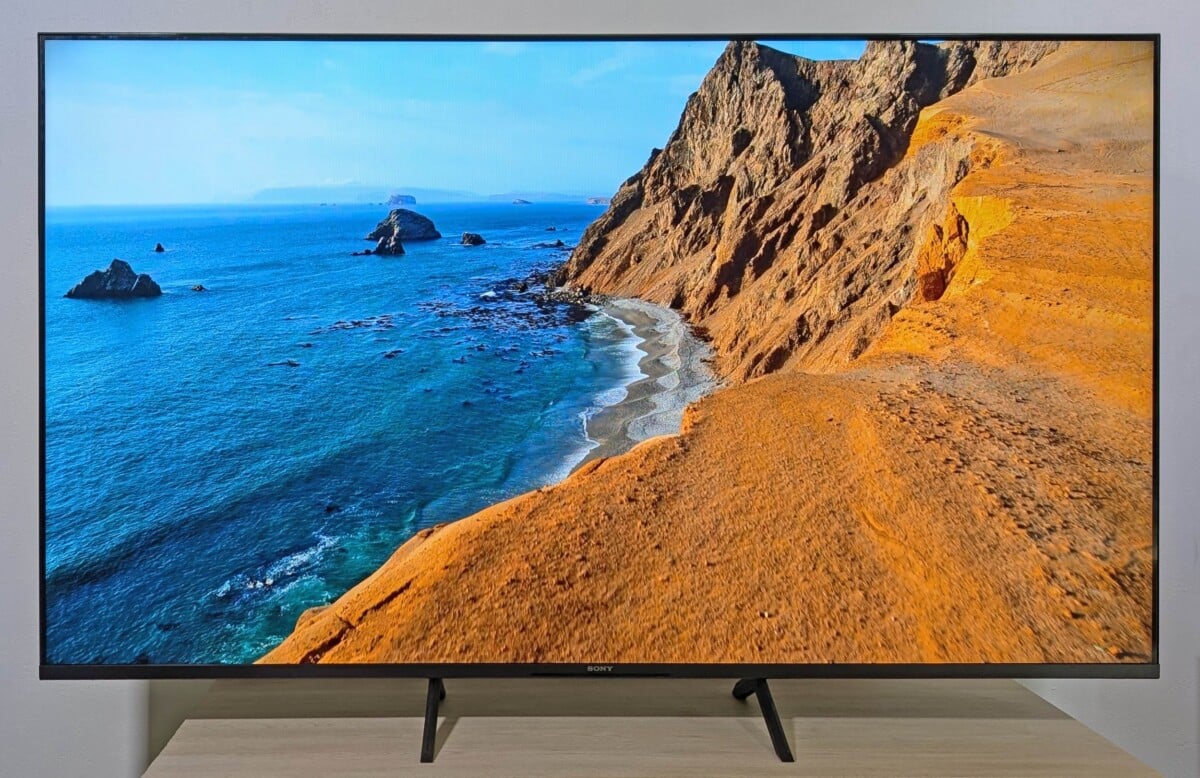
The reviewed Sony Bravia 3 in its 65-inch version takes on a modern and minimalist design , consistent with Sony’s aesthetic tradition. It features clean lines and relatively thin bezels, adding an elegant touch to the overall look, although some material compromises have been made to keep the price attractive. The overall construction inspires confidence with a well-crafted assembly showcasing Sony’s manufacturing capabilities.
The rear features a textured black plastic finish that effectively hides fingerprints and dust. While the thickness is contained for an LED model (about 7cm at the bottom), it cannot rival OLED televisions in this regard. Integrated ventilation grills allow for effective heat dissipation from internal electronics. There is no cable management system on the back, but it comes with hooks that help organize cables directed to the rear.
Connectivity: Essential Ports for Modern Needs
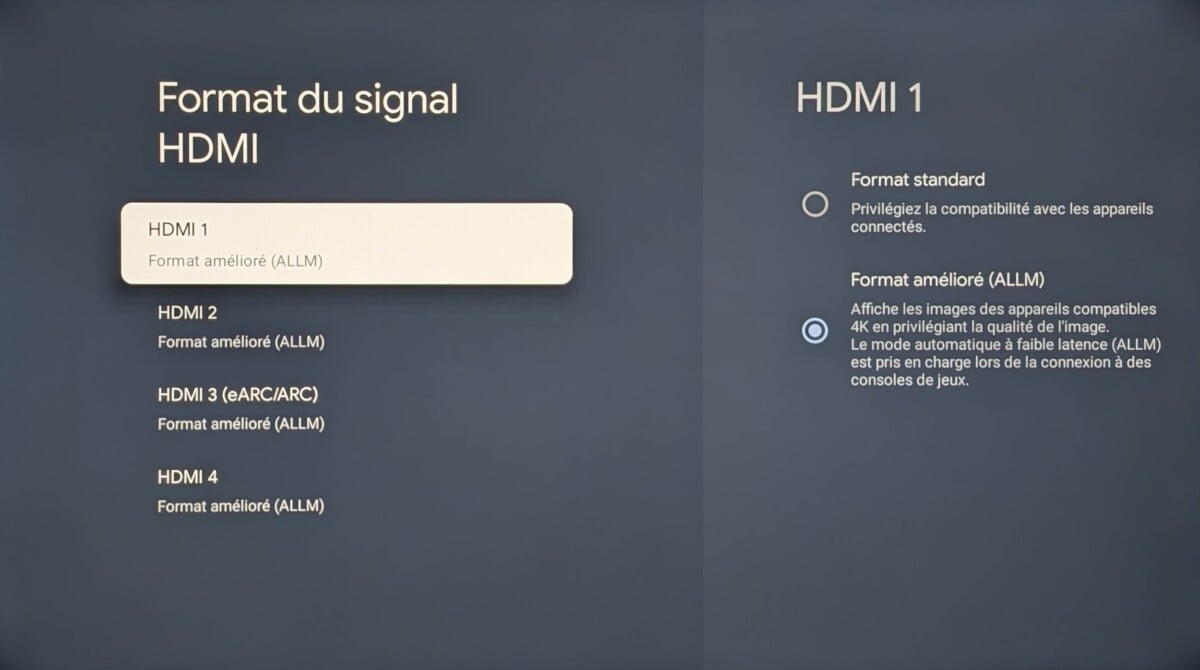
The Sony Bravia 3 offers a well-thought-out set of ports, covering essential contemporary connectivity needs without overwhelming, making it suitable for family use. The television possesses four HDMI ports (2 x 2.1 and 2 x 2.0), conveniently positioned on the right side for easy access during wall mounting.
On the USB front, Sony has integrated a hybrid configuration with a USB 2.0 port and a USB 3.0 port , allowing the connection of various devices based on requirements. The USB 3.0 port proves particularly beneficial for reading 4K content from external media, while the USB 2.0 port suffices for less bandwidth-intensive accessories. The range of supported file formats includes modern video codecs such as AV1, VP9 , and HEVC .
Network connectivity relies on a RJ45 Ethernet port for wired connections and a Wi-Fi 6 module for wireless links. This Wi-Fi 6 compatibility represents a significant advantage for households equipped with late-model routers, offering optimized bandwidth for 4K streaming. The integrated Bluetooth 5.3 allows for wireless audio device connections, such as headphones or speakers, broadening the listening experience. Additionally, features like Chromecast built-in and Apple AirPlay 2 compatibility facilitate content streaming from smartphones and tablets.
Audio Performance: Satisfactory but Not Exceptional
The audio system of the Sony Bravia 3 is built around a bi-amped 2.0 stereo configuration , developing a total power output of 20 watts , distributed across two 10-watt speakers . This power, while modest on paper, is sufficient to adequately sound a medium-sized living room at reasonable listening volumes. Sony has integrated its technology, X-Balanced Speaker , optimizing speaker shape to enhance bass reproduction while maintaining clarity in mid and high frequencies.
Despite the limited spatial reproduction capabilities due to its stereo setup, the integration of Dolby Atmos is a noteworthy asset for a television in this price range. While spatial capabilities remain limited, Dolby Atmos processing creates a slight illusion of depth. Dialogues are intelligible, though one might desire more presence during intense action scenes. The Dolby Audio technology further enhances sound quality by automatically optimizing output based on the type of content being played.
In conclusion, while the Sony Bravia 3 provides commendable performance at an attractive price point, potential buyers should weigh their options against competitive offerings, especially in crucial aspects like audio quality and advanced visual features.
General News – 2