
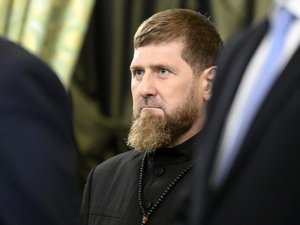
The health of Ramzan Kadyrov, leader of Chechnya, is raising serious concerns after revelations of kidney failure requiring dialysis, according to a Ukrainian intelligence source.
“Ramzan Kadyrov’s Kidneys Have Failed”
Recent reports suggest that Ramzan Kadyrov’s health has severely deteriorated, leading the Kremlin to consider a succession plan for the Chechen Republic. According to a source cited by the Ukrainian state news agency Ukrinform, Kadyrov is now facing kidney failure, which necessitates ongoing dialysis. This alarming development raises questions about the future leadership of Chechnya.
The source from the Ukrainian Defense Ministry’s Main Intelligence Directorate emphasized that doctors remain uncertain about Kadyrov’s prognosis, stating bluntly, “Ramzan Kadyrov’s kidneys have failed.” This statement not only highlights the gravity of his situation but also hints that his health issues might accelerate political changes within the region.
Members of Kadyrov’s influential family have gathered around him in the hospital, underscoring the importance of his health status to his network of relatives and loyalists. This familial presence places emphasis not just on Kadyrov’s health, but on the vested interests that surround his leadership.
A Worrying Absence
Kadyrov has not appeared in public for over a week, which has generated unease both domestically and internationally. His most recent public engagement saw him walking with a cane, raising further concerns about his wellbeing. As his health declines, speculation grows about potential successors who could take over his responsibilities.
Magomed Daoudov, Apti Alaudinov, and Kadyrov’s eldest son, Akhmat Kadyrov, have emerged as contenders for leadership, but ultimately, the choice rests with Vladimir Putin. The creation of a succession plan indicates that the Kremlin is already preparing for a future without Kadyrov, reflecting the tenuous nature of his hold on power amid declining health.
The Impact of Nepotism
Kadyrov’s administration has been characterized by nepotism, with numerous family members occupying key roles within the government. Recently, Kadyrov appointed his 20-year-old son, Akhmat, as acting deputy prime minister alongside his existing role as sports minister. Such appointments further demonstrate Kadyrov’s strategy of maintaining familial influence in governance, creating a network reliant on his bloodline.
In addition to Akhmat, another son, Adam Kadyrov, has been appointed security chief, showcasing the entrenched familial connections that permeate Chechen politics. Reports indicate that Kadyrov has appointed at least 96 family members to various official or business positions since he assumed power in 2007, reinforcing a tribal loyalty framework over merit-based governance.
The implications of Kadyrov’s failing health extend beyond personal consequences; they might also foreshadow significant shifts within the political landscape of Chechnya and its relationship with the Kremlin.