
Controversial Statements at the 2026 World Cup
Last week, a notable event unfolded in the world of football when several Argentine players made headlines after unfurling a banner that read: “The Falklands are Argentinian.” This act occurred following their victory against England in the semi-final of the 2026 World Cup. The message ignited considerable debate, particularly across the English media, and raised questions about nationalism, sportsmanship, and geopolitics in sporting events.
The Context of the Controversy
The Falkland Islands, known as Las Malvinas in Argentina, have a long-standing territorial dispute between Argentina and the United Kingdom. The tension surrounding this issue often resurfaces in various forms, and the World Cup stage, being one of the most-watched sporting events globally, has proven to be a potent platform for expressing national sentiments. The timing of this banner made headlines as Argentina progressed closer to a potential World Cup victory, highlighting the intertwined nature of sports and national pride.
Barbara Paredes’ Bold Statement
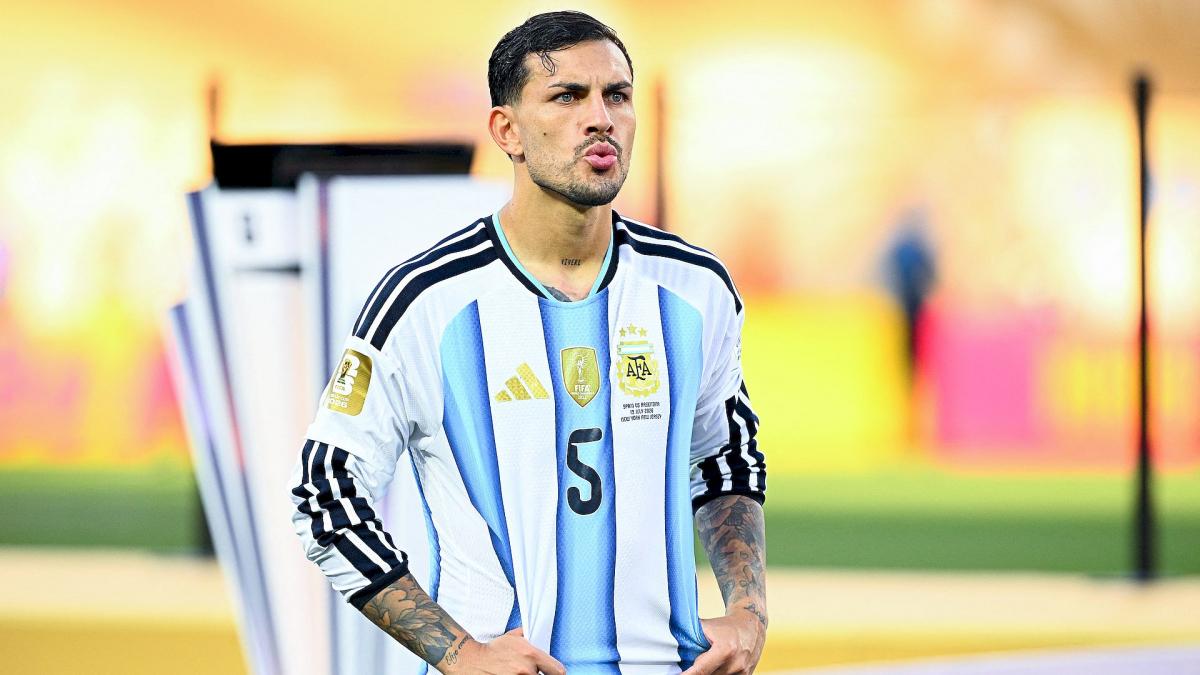
In a further development from this incident, Barbara Paredes, the sister of Argentine footballer Leandro Paredes, shared her views during a media interaction. Quoting her statement relayed by A.S., she said, “To get here and beat England along the way was everything for us. We may not have the fourth star, but the Falklands are ours.” This remark not only reiterated the sentiments expressed by the players but also served to amplify the emotional weight of the victory against England.
Her statement reflects a deeper nationalism that resonates with many Argentine fans who view the World Cup as not just a sporting event but also as a symbol of national identity and pride. The implications of her comments, much like the banner, delve deep into the political landscape, evoking strong feelings from both sides of the Atlantic.
Reactions and Implications
The reaction from England has been predictably heated. Many commentators and fans have labeled these statements as provocative, potentially inciting tensions that transcend the football pitch. The risk of nationalist sentiments flaring during international competitions is an ongoing concern for governing bodies like FIFA, who often stress the importance of sportsmanship and unity.
Moreover, it raises questions about how athletes and their families can influence public discourse and the narrative surrounding international events. In a globalized world, the lines between sports, politics, and personal beliefs continue to blur, making it crucial for public figures to tread carefully.
Conclusion
The controversy surrounding the comments of Barbara Paredes, along with the banner unfurled by Argentine players, showcases the fiery blend of national pride and sports. As Argentina strives for glory on the World Cup stage, these statements serve as a reminder of the profound connections between identity, politics, and sport. The global audience will be watching closely, not only for the outcome of the tournament but also for how this passionate display of nationalism shapes the discussions around international football. The narrative is complex and layered, leaving many to ponder how sports figures will navigate these turbulent waters in the future.