

For a long time, choosing a Windows laptop meant moving within the world of X86 , with Intel and AMD as absolute protagonists. However, by 2025 , this landscape began to change significantly: ARM architecture , which was previously associated mainly with mobile devices, is now making waves in the laptop scene. The name to watch here is Qualcomm , which aims to offer a genuine alternative through its Snapdragon processors. This shift is not just about who manufactures the chips; it concerns the execution of instructions that leads to a completely different understanding of performance , battery life , and compatibility .
The transition towards ARM in laptops is a reflection of changing market priorities. Real autonomy and local execution of artificial intelligence tasks without relying solely on the cloud have become paramount. This is where NPU (Neural Processing Units) come into play, facilitating enhanced productivity and creativity. Qualcomm was one of the first companies to align with Microsoft in integrating AI capabilities, and since May 2024 , its Snapdragon processors have been fully capable of leveraging these features.
Technical Sheet of the Qualcomm Snapdragon X2 Elite and Elite Extreme
| Qualcomm Snapdragon X2 Elite | Qualcomm Snapdragon X2 Elite Extreme | |
|---|---|---|
| Manufacturing Process | 3 nanometers | 3 nanometers |
| CPU | ARM Architecture | ARM Architecture Up to 18 cores 5.0 GHz |
| GPU | Adreno | Adreno |
| Artificial Intelligence | NPU Hexagon 80 TOPS | NPU Hexagon 80 TOPS |
| Modem | Snapdragon X75 5G | Snapdragon X75 5G |
| Connectivity and Location | Qualcomm Fastconnect 7800 Mobile Wi-Fi 7 compatible Bluetooth 5.4 LE | Qualcomm Fastconnect 7800 Mobile Wi-Fi 7 compatible Bluetooth 5.4 LE |
ARM as a Way to Rethink the Windows Laptop
The change in approach can be observed in how performance is discussed. It is no longer simply about boasting maximum clock speeds or core counts; rather, it’s about maintaining fluidity throughout the entire work session. Qualcomm’s processors focus on tasks such as running multiple applications, video editing , or maintaining performance on battery power without noticeable speed drops. This stability is often combined with multi-day battery life , a realm where ARM aims to set itself apart from X86.
In Copilot+ laptops , artificial intelligence is not merely an add-on; it becomes an integral part of the user experience. The NPU enables local execution of models, supporting functions like text summarization, voice separation in recordings, and enhancing live camera quality. The essence of this enhancement is the ability to compute locally while also reducing reliance on cloud resources, achieving this with minimal energy consumption. This promises a more practical application of AI in the Windows ecosystem.
Beyond just performance metrics and battery life, the decision to opt for a laptop featuring Snapdragon processors requires users to consider the applications they rely on daily. Not all software in the Windows catalog can run natively on ARM architecture; while many applications are supported, some require emulation. This detail might be insignificant for casual users, but those dependent on specific software or drivers must verify compatibility before making a switch. Currently, this aspect remains a key differentiator between ARM and traditional X86 processors.
Qualcomm is positioning the Snapdragon X2 Elite Extreme within the high-performance sector, boasting 3rd generation CPU Oryon with up to 18 cores and achieving 5.0 GHz clock speed . The NPU claims to provide “up to 75% more CPU performance compared to competitors at equal power levels ,” along with an Adreno GPU reportedly offering ” 2.3x improved performance per watt ” over its predecessor. Designed for professional applications and enhanced multitasking, these chips are poised for a future defined by ultra-thin and lightweight laptops.
Similarly, the Snapdragon X2 Elite retains the 80 TOPS NPU and the 3rd generation CPU Oryon , offering “up to 31% more performance at the same power levels” and “up to 43% less energy consumption ” compared to older models. Additionally, features like the Snapdragon X75 modem and Wi-Fi 7 compatibility suggest high-performance standards that cater to various user needs, particularly in demanding multitasking situations.
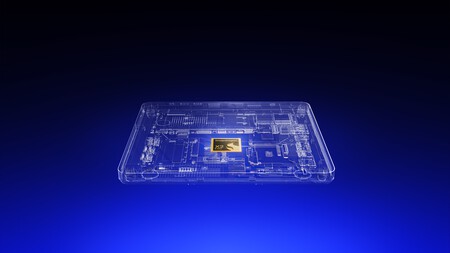
Qualcomm characterizes these processors as foundational for Ultra-Premium Windows PCs , with the first devices expected to debut in the first half of 2026 . While there are no public confirmations regarding brands, configurations, or prices, it is clear that the devices will prioritize a blend of lightweight designs and long-lasting performance . The specifics regarding materials and ports will depend largely on individual OEM configurations.
The onus lies on the user to consider several factors: what autonomy they expect, the level of performance they require, and which programs are indispensable. ARM , via Snapdragon , promises extended battery life and innovative AI functionalities while presenting challenges in terms of software compatibility. It is advisable to review personal needs and await the initial launch of models expected in mid-2026, at which point users can assess how well these new offerings align with the company’s promises.
Images | Qualcomm | Xataka
In Xataka | HP Omnibook X Flip 14, Analysis: The Versatility and Power of a Convertible with Core Ultra 2