
Space has once again become a significant issue of power, placing NASA back in the spotlight. While China maintains that it will reach the Moon with astronauts by 2030 and outlines concrete advances in its manned program, the United States faces a leadership change at the helm of its space agency after a tumultuous year. This transition is more than just a formal name change; it confirms that the lunar race has entered a crucial phase, where leadership decisions and timelines carry weighty implications.
The United States Senate has officially confirmed Jared Isaacman as the new administrator of NASA, concluding a long and curious nomination process that has stretched on for over a year. Isaacman received 67 votes in favor and 30 against, according to C-SPAN. His confirmation alleviates a prolonged period defined by interim management, reinstating a solid leadership structure for the agency.
New Leadership: Jared Isaacman Steps In
Jared Isaacman does not fit the traditional mold for NASA administrators. As the founder of payment processing company Shift4 and also a private pilot and astronaut, he gained recognition for commanding two commercial manned missions aboard SpaceX’s Crew Dragon: Inspiration4 in 2021 and Polaris Dawn in 2024. His unique blend of private sector experience and hands-on mission leadership signals a shift toward greater openness in NASA’s operations concerning commercial space endeavors.
The nomination process began more than a year ago when Donald Trump initially proposed him for the role. However, this process faced interruptions, including a withdrawal of his nomination on May 31, 2025. Following notable frustrations within the Trump administration regarding the performance of the acting administrator, he was renominated on November 4, reviving the quest for stable leadership.
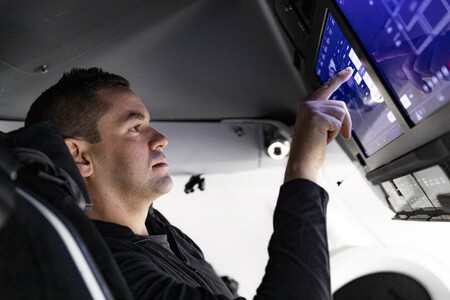
Jared Isaacman
Meanwhile, China’s ambitions in space remain unwavering as they reaffirm their goal of landing astronauts on the Moon by 2030. They’ve undertaken a series of tests for critical components including the Lanyue module, the Long March-10 rocket, and the Mengzhou spacecraft. This development further intensifies the competition in space exploration.
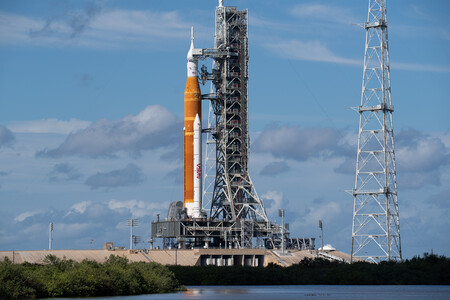
Space Launch System
From Washington, the U.S. perspective on the Chinese advances has become increasingly assertive. Sean Duffy, Secretary of Transportation and acting administrator during the interim period, congratulated Isaacman publicly, framing his appointment as a stance against China’s lunar ambitions. “I wish Jared success as he begins his tenure and leads NASA as we return to the Moon in 2028 and prevail over China,” he noted in a post.
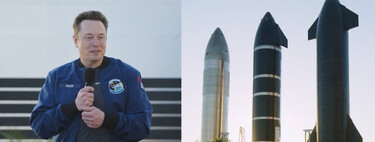
In his Senate appearance, Isaacman emphasized that timelines for lunar missions are not just trivial concerns for NASA. With growing skepticism surrounding delays in the Artemis program, he urged that any further setbacks could jeopardize U.S. strategic interests. “It is crystal clear that our top priority is to ensure that American astronauts return to the Moon,” he stated, cautioning that postponements could enable competitors to gain the upper hand in the space race.
Images | NASA | SpaceX
In Xataka | The dense saturation of satellites has heightened the risk of catastrophic collisions in Earth’s orbit.