
Changes to Emissions Regulations
The European Commission has recently unveiled a proposal aimed at easing manufacturers’ emissions obligations slated for 2035. This shift signals a significant victory for Germany, which has vehemently advocated for a more lenient stance within the European Union. Ultimately, the new proposal reflects the genuine concerns of the automotive industry in Germany and beyond.
A Brief Historical Context
In 2022, the European Parliament enacted a ban on the sale of vehicles that emit carbon dioxide (CO2) effective 2035, setting a goal to achieve a 100% reduction in emissions compared to 2021 levels. This directive mandated a swift transition to electric vehicles across Europe.
Enter Efuels and Hydrogen Technology
Under pressure from nations like Germany and Italy, new allowances emerged. The proposal now permits cars manufactured after 2035 to employ combustion engines running on efuels—synthetic fuels intended to be carbon neutral through CO2 capture during production. The potential for hydrogen-fueled vehicles, both in fuel cell and combustion forms, was also introduced, although their exhaust still produces harmful particles like NOx.
The Key Components of the Proposal
While the European Parliament still needs to ratify the proposal, several essential highlights have emerged:
- The carbon emissions target is downgraded from 100% to 90% compared to 2021 figures.
- A new category called eCar has been proposed for small electric cars under 4.2 meters, each counting as 1.3 vehicles when assessing fleet emissions.
- Emission reduction targets for 2030 have been postponed until 2032.
The Division Among European Nations
Recent events have highlighted a split within Europe. While Spain and France advocate for maintaining the original regulations, Germany, along with other nations, pushes for revised objectives. The result? If approved, combustion engines will still be available for sale, albeit in a market primarily dominated by electric vehicles.
Achieving Stricter Emission Standards
The move toward a 90% emissions reduction means an extremely stringent target of only 11.6 grams of CO2 per kilometer. Achieving this requires innovative engineering, as current fuels average around 116 grams of CO2 per kilometer. Vehicles will need enhanced battery capacity and efficiency to meet these new standards.
The Future of Hybrid Vehicles
Going forward, manufacturers are expected to enhance electrification levels in hybrids substantially. Notably, the Lynk&Co 08 currently leads the market with a range of 200 electric kilometers, yet it still exceeds the projected limits for 2035 with its CO2 emissions. Once stricter homologation criteria kick in from 2028, hybrids may need to sell more electric vehicles just to maintain compliance.
An Expensive Transition Ahead
Despite these relaxed obligations, manufacturers still face urgent requirements to sell high volumes of electric cars. With penalties delayed until 2027, companies have a temporary reprieve to modify their fleets. However, the looming deadlines mean that brands will need to navigate significant costs associated with compliance and the transition to full electrification, especially in the small car segment.
The Probable Luxury Frenzy
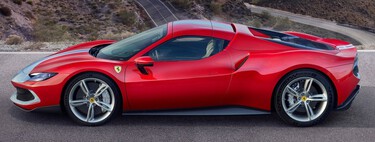
As a result, it looks like combustion engines could become a luxury feature, predominantly found in high-end vehicles. This shift favors German automotive manufacturers like BMW and Mercedes, allowing them to maintain their combustion technology but at significantly higher price points. For luxury brands like Lamborghini and Ferrari, the landscape appears even more lucrative, as they can leverage their exclusive combustion offerings as status symbols in an increasingly electrified market.
The Bottom Line
The future of automotive technology is rapidly evolving. While it seems combustion engines may coexist with electric vehicles, they will likely be relegated to luxury markets, making affordable options like the Seat León increasingly rare and expensive.