
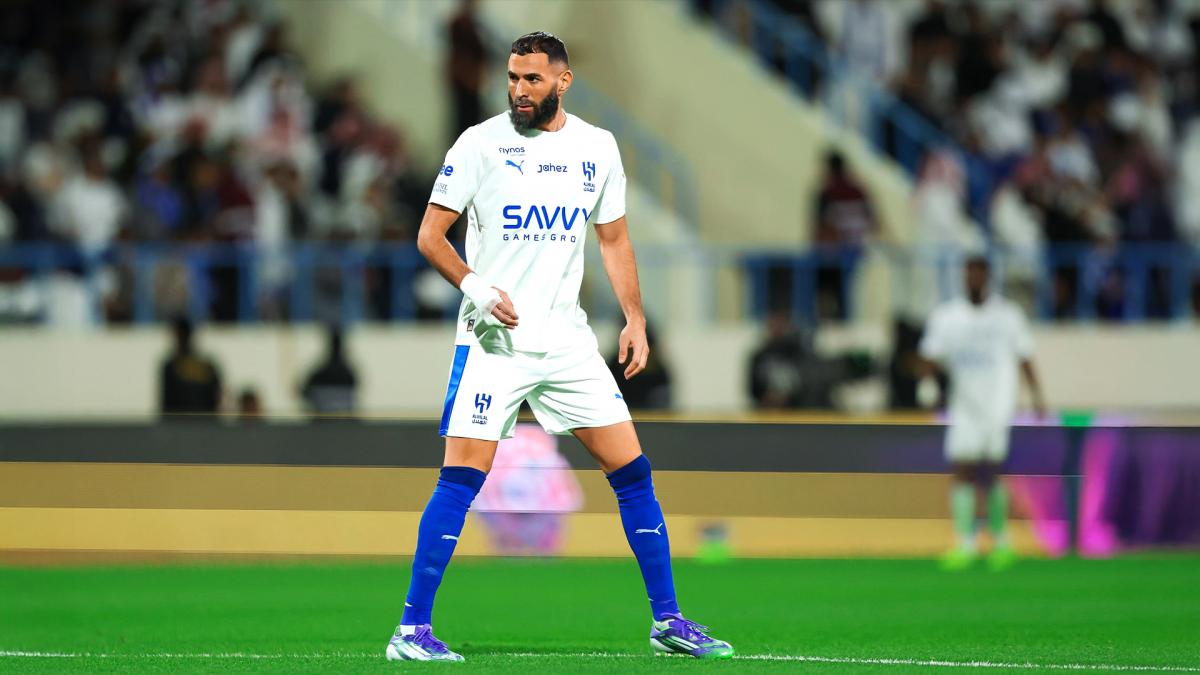
## A New Era for Al-Hilal: The PIF Sells 70%
The sale of 70% of Al-Hilal, one of Saudi Arabia’s most prestigious football clubs, marks a significant turning point in the landscape of the Saudi Pro League. This pivotal transaction, executed by Prince Al Waleed bin Talal via the Kingdom Holding Company, involved an impressive sum of approximately €350 million.
### Implications for the Saudi Pro League
This acquisition signals a broader transformation for Saudi Arabia’s sports sector. Historically, the Public Investment Fund (PIF) has played a crucial role in funding and promoting Saudi football clubs, including Al-Nassr, Al-Hilal, Al-Ittihad, and Al-Ahli. However, the PIF’s emphasis on Al-Hilal, coupled with its acquisitions of top international players, has raised questions regarding fairness in financial support.
With this new ownership structure, Al-Hilal transitions from being part of a state-run initiative to one that is significantly influenced by private wealth. This may enable the club to operate more autonomously, free from previous constraints set by PIF allocations.
### The Business Behind the Deal
Prince Al Waleed bin Talal, renowned for his strategic investments, is expected to leverage this purchase to enhance Al-Hilal’s global profile. The influx of private capital suggests potential improvements in club infrastructure, coaching staff, and player acquisitions.
Furthermore, this shift may attract more international partnerships and sponsorship deals, elevating not just Al-Hilal but the Saudi Pro League as a whole on the global stage. As Al-Hilal seeks to assert its dominance, it may also influence the competitive dynamics among Saudi clubs.
### Addressing Controversies and Future Transfer Windows
Recent controversies surrounding the PIF’s preferential treatment of Al-Hilal have raised eyebrows, especially regarding high-profile signings like Karim Benzema. By selling a majority stake to a private entity, Al-Hilal can foster a more level playing field among rivals. This independence would allow the club to strategically navigate future transfer windows without the overshadowing influence of PIF budgeting.
Clubs like Al-Nassr and Al-Ittihad may feel the effects of Al-Hilal’s newfound autonomy. It’s reasonable to anticipate a shift in recruitment strategies as competition intensifies.
### The Future of Al-Hilal
With this substantial investment and change in ownership, Al-Hilal stands poised for a bright future. The potential for increased revenue streams and enhanced competitive standing could result in greater success both domestically and in continental tournaments.
In conclusion, the sale of 70% of Al-Hilal is not merely a financial transaction; it is a transformative event that promises to reshape the Saudi Pro League. As the landscape of football evolves, clubs like Al-Hilal will increasingly be at the forefront, attracting both talent and attention on a global scale. The upcoming years will be critical in determining how this shift will influence the club’s fortunes and its standing within the international football community.