
The recent annual reception at the Marivent Palace , hosted by the Kings of Spain, has sparked a variety of public reactions, most notably surrounding Princess Leonor’s fashion choice. For this year’s event, the young princess made headlines by donning the same elegant dress that her mother, Queen Letizia , wore during the 2022 reception . While many perceived this move as a statement of sustainability and a nod to familial ties, it also drew sharp criticism from certain quarters.
Among the vocal critics was Carmen Lomana , a well-known television personality. She expressed her disapproval of Princess Leonor’s decision, calling it “absurd” for the heiress to repeat her mother’s dress at the same type of event. Lomana elaborated, stating, “I do not understand. I would tell a daughter of mine: ‘You like it a lot, put it on another day, because I have already put it on me and also for this same.'” Her comments, while meant to be constructive, also reflected a sentiment that she felt the tradition of royal dress should not blend with personal expression.
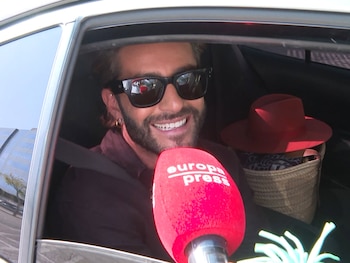
In light of Lomana’s remarks, stylist Pelayo Díaz stepped forward to defend the royal family’s fashion choices. Díaz, known for his elegance and style, pointed out that while Lomana might have considerable expertise in protocol and fashion, the royal family represents values that resonate with authenticity. He stated, “You already know Carmen, Carmen is that she also knows a lot of protocol and brand new— not to release , of colors, long.” His remarks highlighted not only his admiration for the royal family but also their efforts to model simplicity and authenticity in a world often plagued by pretentiousness.
While Leónor’s fashion choice dominated discussions, Pelayo also turned the spotlight onto another trending topic in the media: Terelu Campos’ full moon ritual. With a light-hearted tone, he remarked on Cambos’ unpredictable character, noting, “The things, the headlines that Terelu gives us, the things that we will lose from it, that we do not manage to see because you do not get it to capture, and that you capture everything.” This comment reflected not only his view on celebrity culture but also an admiration for the unexpected antics that keep audiences engaged.
Ultimately, the debate surrounding Princess Leonor’s fashion statement reveals deeper themes within contemporary royal life, including the clash between tradition and modernity, familial bonds versus individual expression, and the role of public figures in shaping societal expectations. As these conversations unfold, they also throw light on the broader implications of how we view personal style in the context of societal roles, especially those wrapped in the glamor of royalty.
Moreover, the royal family’s approach to sustainability through fashion choice resonates with a growing public consciousness around environmentally friendly practices. In this age where fast fashion dominates, leaders in society—even royals—can use their platform to encourage mindful consumption.
Leonor’s decision to wear her mother’s dress can be seen as a blend of nostalgia and practical sustainability, marking her own beginning steps into a world that demands both authenticity and responsibility. The juxtaposition between public admiration and criticism showcases the difficulties faced by public figures navigating their individual identities against societal expectations.
In conclusion, the controversy following Princess Leonor’s fashion choice encapsulates a multifaceted dialogue about sustainability, tradition, and public perception. As fashion continues to evolve, so do the responsibilities that come with it, especially for those in the spotlight. This instance illustrates that every action—no matter how seemingly simple, like wearing a dress—can set the stage for broader conversations about values and choices in our modern age. The royal family’s decisions reflect not just personal style but also resonate with pivotal societal themes.