
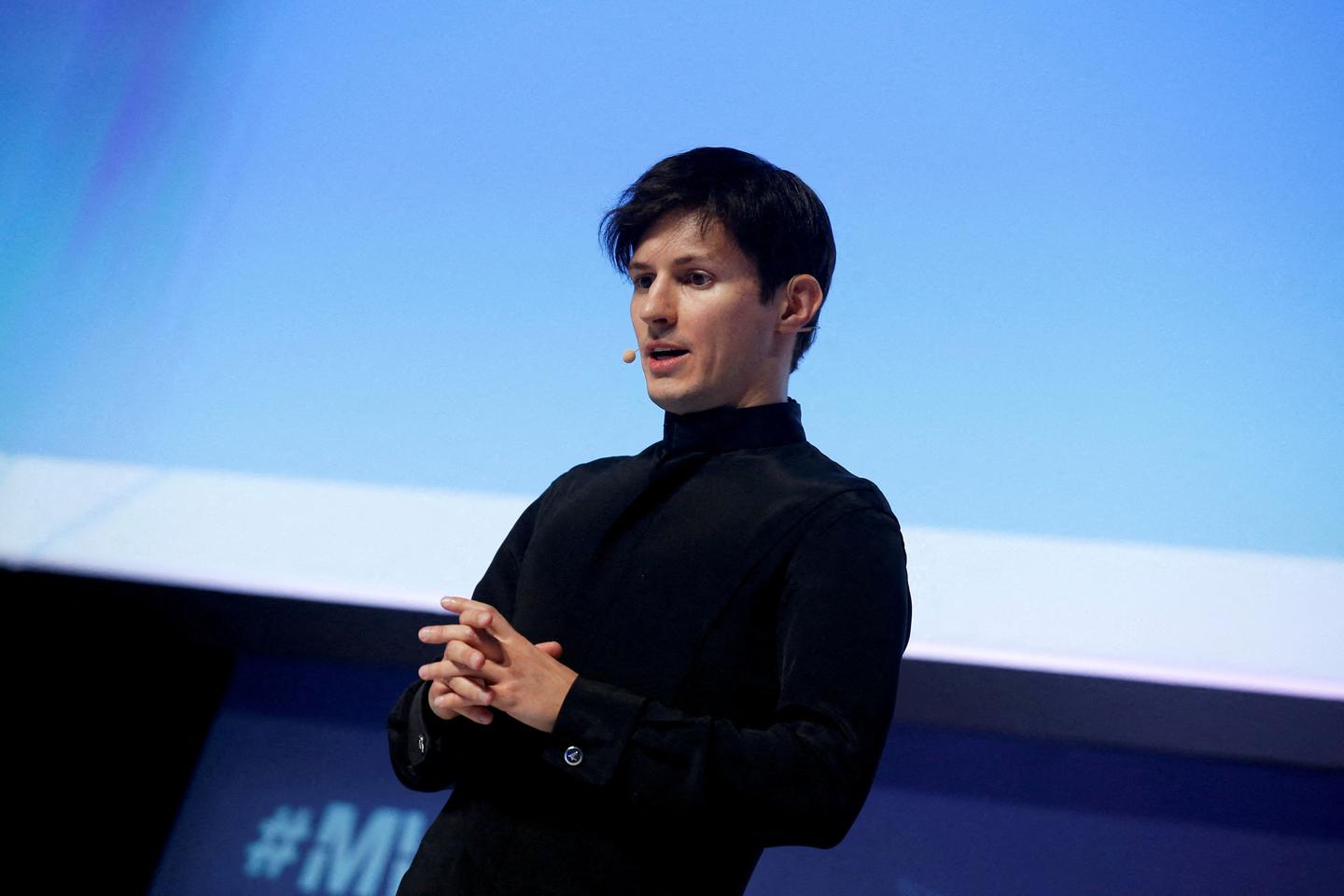
The Controversy Surrounding Pavel Durov and Telegram
In recent developments, Pavel Durov, the founder and CEO of Telegram, has sparked a significant controversy by accusing the French government of trying to influence the upcoming Romanian elections. This situation raises multiple questions about media freedom, governmental influence, and the role of social media platforms in moderating content.
Accusations from Durov
On Sunday, Durov made headlines when he claimed that France aimed to "reduce conservative voices to silence" in Romania, particularly in the lead-up to the presidential elections. He communicated these allegations directly to Telegram users in Romania, suggesting a broader agenda of censorship. Durov’s statements bear a tone of critical observance regarding what he perceives as interference from a European government.
Durov emphasized in his message, “We do not fight ‘electoral interference’ by making electoral interference,” implying that the actions taken against conservative voices in Romania contradict the democratic principles that governments should uphold. He employed symbolic language, notably using a "Bread wand" emoji to allude to a European government supposedly pressuring him to censor content, which he categorically rejected. However, Durov did not provide specific details regarding when these attempts occurred or what content was involved.
French Government’s Response
The Quai d’Orsay, France’s foreign ministry, swiftly responded to Durov’s claims, labeling them as "completely unfounded allegations." They characterized his accusations as a “diversion maneuver” in relation to actual threats of interference targeting Romania. In their official statement, they underscored the importance of integrity in political processes, indicating that genuine interference must be addressed by all political entities involved. Moreover, the Quai d’Orsay released a screenshot of Durov’s claims, marking it with a “false” icon to further discredit his assertions.
The Romanian Ministry of Foreign Affairs echoed these sentiments, alleging that Durov’s allegations were indicative of Russian interference. They stated, “A viral campaign of false information on Telegram and other platforms seeks to influence the current electoral process.” This raises critical concerns about the capacity of social media platforms in managing misinformation and the reputational risks associated with the dissemination of unverified claims.
The Context of the Romanian Elections
The Romanian political landscape is fraught with complexities. The first round of presidential elections occurred amid allegations of serious attempts to manipulate public opinion. Notably, Calin Georgescu, an ultra-conservative candidate, previously benefitted from a massive online campaign, which Romanian and European intelligence services attributed to the use of many false accounts and paid influencers. Investigations suggested that Georgescu’s campaign may have employed irregular tactics to sway voters.
Following his rise in popularity, Georgescu found himself under scrutiny, accused of financial malpractice and associations with extremist ideologies. Meanwhile, George Simion, another far-right candidate, emerged as a strong contender in the latest political race, further complicating the electoral landscape in Romania.
The Impact of Social Media
The role of social media in political discourse cannot be understated. Durov’s allegations gained rapid traction, collecting over 56,000 reactions in a matter of hours after he posted them on Telegram. With more than 11 million followers on the platform, the potential for misinformation spreading rapidly is significant. Notably, Simion translated Durov’s statements into Romanian and circulated them through his network, illustrating the viral nature of digital information in shaping public opinion.
Social media not only amplifies voices but also presents risks concerning the authenticity of information being shared. The Romanian government’s recent endeavors to rebut false allegations circulating on platforms like TikTok and Telegram demonstrate the significant challenge posed by disinformation campaigns leading up to an election.
Legal Concerns for Durov
In the backdrop of these controversies, Pavel Durov’s legal situation is noteworthy. He left France for Dubai, the legal home of Telegram, after being indicted on charges related to the platform’s inadequate cooperation with legal inquiries and moderation of illegal content. Although he rejects these accusations, multiple investigative bodies in Europe have pointed out Telegram’s increasing alignment with judicial requisitions. The platform has indicated intentions to increase moderation on its channels, addressing the growing concerns over the spread of harmful or misleading content.
Conclusion
The ongoing situation involving Pavel Durov and the French government raises significant questions about responsibility in political discourse, the efficacy of social media platforms in moderating content, and the implications of accusations of interference amid sensitive electoral periods. As the situation unfolds, the interplay between governmental influence, electoral integrity, and social media’s role in shaping narratives will continue to be scrutinized by the global community.