
The Media Coverage of Gaza: A Critical Examination
Recent media coverage of Gaza has drawn widespread scrutiny, with alarming reports of daily deaths, including children, and severe humanitarian crises. As the Israeli government continues to openly discuss strategies that some view as genocidal, the question arises: how can we evaluate this media landscape?
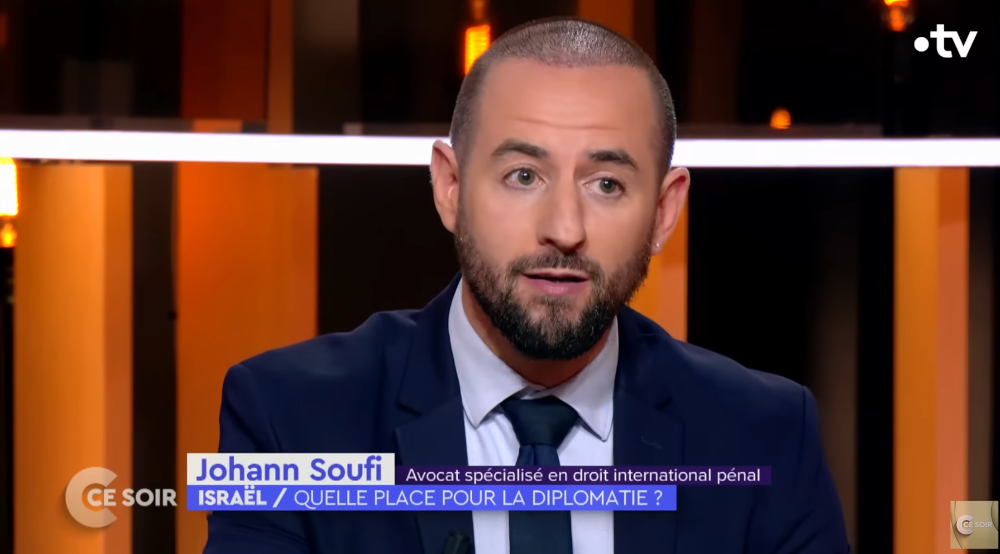
Numerous journalists, experts, and human rights advocates have recently voiced their concerns regarding the evolution of media discourse surrounding the Gaza conflict. According to Johann Soufi, a prominent voice in the debate, there is a growing acknowledgment of previously marginalized perspectives, including those from humanitarian workers and legal experts. “We are witnessing a shift in media representation that reflects a broader societal awakening to the humanitarian crisis,” he explains.
This shift in coverage is driven by the astounding scale of violence ; reports indicate more than 53,000 deaths and 120,000 injuries within Gaza, numbers that do not account for future fatalities resulting from untreated injuries and medical neglect. Every day, children are reportedly killed or injured, thus bringing the humanitarian catastrophe into sharper focus. Soufi emphasizes, “Images from Gaza echo the darkest days of human history. Each day reveals fresh horrors and traumas.”
The commentary expands beyond mere statistics. Israeli officials are increasingly unabashed about their colonial ambitions, with figures like Israel Katz, the Minister of Defense, making statements about the “total destruction” of Gaza. Such rhetoric, combined with calls for outright violence against Palestinians, prompts deeper questions regarding the responsibilities of media outlets in countering state narratives.
“The silence of media elites and political figures is becoming intolerable,” Soufi argues. “We need to confront what is happening on the ground and recognize that ignoring these narratives perfectly aligns with complicity.” This underlines the essential question: can traditional media remain neutral while narrative control is exercised and calls for violence proliferate unchallenged?
The Influence of Civil Society and Public Pressure
The impact of civil society is also an essential factor in the evolving landscape of media discourse. Increased public protests, calls for boycotts, and sustained legal actions from organizations like JURDI are beginning to bear fruit. Soufi argues that this pressure forces media outlets and figures to keep pace with a public that is demanding accountability and justice. “The price of silence has become too great to bear,” he states, “with the credibility of artists, media personalities, and politicians directly questioned.”
Yet, despite positive shifts in coverage, he warns that the changes are largely superficial and late in arrival. For almost two years, Palestinians have faced systematic erasure in media narratives, leading to the dehumanization of those suffering in Gaza. This continued oversight reinforces a dominant narrative that frames the conflict primarily as a geopolitical or humanitarian issue while sidelining Palestinian voices.
“Even in debates about the Gaza situation, Palestinians are still largely absent,” Soufi notes. “We talk about them rather than allowing them to speak for themselves.” The repeated framing of narratives around Israeli security concerns further relegates Palestinian experiences to mere footnotes. It is precisely this distortion that perpetuates selective compassion and disallows a genuine understanding of the violence being inflicted.
Challenges in Naming Genocide
This ongoing media struggle around representation manifests prominently in discussions surrounding the term “genocide.” Despite numerous experts endorsing its use concerning the situation in Gaza, there is a palpable hesitance in mainstream media to adopt the term. “To dismiss genocide is to diminish the suffering of the Palestinians,” remarks Soufi, who elaborates on the dangers of media narratives that seek to equate the complexities of the situation with more palatable language.
The reluctance to label the violence as genocidal not only muddies the waters but also serves to morally dilute the discourse. Discussions often devolve into sensational debates over terminology, rather than focusing on the humanitarian and legal implications of the acts themselves. “The media has a responsibility to question the very frameworks we apply to our understanding of these tragedies,” he insists.
Moreover, Soufi highlights the contrast in media treatment of different conflicts globally, noting that language around events in Ukraine starkly differs from that in Gaza. When discussing the crimes against humanity occurring in Palestine, media often opts for euphemistic phrases such as “catastrophe” while directly stating the nature of violence in other contexts. “This linguistic inconsistency perpetuates a culture of dehumanization,” he argues. “Victims are reduced to statistics rather than recognized as human beings with lives and stories.”
The Role and Responsibility of Traditional Media
Soufi urges traditional media outlets to reassess their role in facilitating discourse on international conflicts. With organizations and voices like UNRWA becoming targets of disinformation campaigns, there is a clear need for reporters to move beyond superficial analyses. “The failure of media to support organizations providing critical humanitarian assistance leads to an erosion of public understanding,” he cautions.
Many have likened today’s media narratives on Gaza to past failures in covering genocides and atrocities worldwide. Failing to recognize the ongoing situation in Gaza as part of a broader colonial struggle endangers any prospects for peace. “What we need is a realignment towards ethical journalism that prioritizes facts, context, and depth,” Soufi adds, “not headlines that shift rapidly with the geopolitical winds.”
Conclusion
The situation in Gaza necessitates a fundamental re-examination of our media practices, ethics, and responsibilities. If we are to foster enlightenment and the necessary societal engagement to address these atrocities, it becomes paramount to elevate authentic narratives and uphold moral courage in reporting. There can be no just resolution to conflict without a true understanding of its on-the-ground realities, nor can there be credibility in the media landscape as long as it fails to represent the whole truth.