
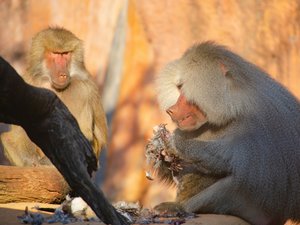
The Nuremberg Zoo confirmed on Tuesday, July 29, 2025, the slaughter of twelve baboons due to overcrowding in their enclosure. This decision has ignited vehement protests from animal rights activists and sparked discussions about ethical practices in zoos. The zoo’s management stated that the animals, deemed not essential for reproduction or research, were shot in accordance with established protocols.
The Nuremberg Zoo, located in southern Germany, made headlines when it announced that it had taken the drastic step of shooting twelve baboons as a result of overcrowding in their habitat . Activists from various animal rights organizations expressed their outrage over this decision, which they say could have been avoided with alternative solutions.
“We are aware that this decision irritates, afflicts, and angers many people,” said the zoo management. This statement follows their earlier announcement in February 2024 regarding their intentions to euthanize the animals due to the strain on resources and habitat.
In an act of defiance, seven activists from animal rights groups entered the zoo premises on the day of the announcement to protest against the planned slaughter. German police reported the quick arrest of these individuals, who were attempting to make their voices heard in opposition to what they described as an inhumane act.
During a press conference, the zoo’s director, Dag Encke, provided a justification for the controversial decision based on guidelines issued by the European Association of Zoos and Aquaria (EAZA). He stated, “The slaughter of animals in the context of population management, as we call it in zoos, is a legitimate means and can be the last option to preserve the population.”
Moreover, the zoo’s chief biologist, Jörg Beckmann, emphasized that animals that were pregnant or involved in scientific research had been spared. The decision to proceed with the execution of these twelve baboons was taken under circumstances where the stress levels among the remaining animals were reportedly rising due to overcrowding.
The Decision to Euthanize
“Animals have been shot dead, in accordance with animal protection standards,” Beckmann stated, adding that “carcasses have been given to zoo predators.” This justification has done little to quell the outrage among animal rights advocates.
Two notable organizations advocating for animal rights have already filed complaints against the management of the Nuremberg Zoo, arguing that the shooting of the baboons—”in perfect health”—was unwarranted. They accused the zoo of mismanaging its baboons and highlighted that the enclosure designed for 25 animals was currently home to 45, indicating a staggering 80% overpopulation. This overcrowding has reportedly led to increased stress and conflicts among the primate residents.
The crisis has raised critical questions about how zoos manage their populations and the ethical implications of using slaughter as a means of population control. Critics argue that, rather than resorting to euthanasia, the zoo should have sought alternatives such as collaboration with other institutions willing to rehabilitate the baboons. They claim that the Nuremberg Zoo, instead of being proactive, has neglected its responsibility toward these animals.
In light of these events, the ongoing discussions surrounding the role of zoos in wildlife conservation and the ethical treatment of animals have come to the forefront. Individuals and organizations dedicated to animal welfare are urging zoos worldwide to adopt more humane practices and consider innovative strategies for managing animal populations without resorting to inhumane measures.
The recent decision by the Nuremberg Zoo has shaken public trust in how such institutions operate and the inherent responsibilities they bear. With increasing scrutiny from the public and advocacy groups, it may be time for the zoo community to reevaluate its approaches to animal care and management. Such moments of crisis can often lead to invaluable insights and potential reforms in various sectors, particularly in animal welfare.