
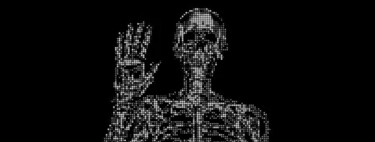
In just a few days, Apple enthusiasts will commemorate a significant milestone: the anniversary of the legendary advertisement known as ‘1984’, the first Macintosh advertisement. Surprisingly, rather than fading into obscurity, this ad has only gained recognition and respect over time.
Contextual Background
Back in 1984, IBM held the crown in consumer computing, dominating the market despite operating on MS-DOS. With the launch of the Macintosh—a computer designed for accessibility and featuring a user-friendly graphical interface—Apple needed a standout advertisement to counter IBM’s hold. The company aimed to strike a rebellious tone against this industry’s giant, personified in the ad by “Big Brother” borrowed from George Orwell’s dystopian vision.
Choosing the Right Moment
The Super Bowl, celebrated for its vast audience, is an opportune platform for major brands. The 1984 Super Bowl, in particular, was the backdrop for Apple’s groundbreaking ad, which has frequently been hailed as the best advertisement ever, despite not featuring the product directly.
The Cast and Production Details
The ad presents a striking contrast between uniformed “proletarians” and a heroic athlete, played by Anya Major, who disrupts a Big Brother-like broadcast. Fred Goldberg from the Chiat/Day agency, who bridged communication between Steve Jobs and the creative team, reflected on the chaotic casting process marked by aggressive extras. It involved approximately 200 extras, with many described as unruly, resulting in a few intense altercations.
Remarkably, the filming spanned three days, costing around $10,000. Despite its challenging production, the ad’s impactful identity was solidified through its unique themes and motifs.
The Official Airing
The advertisement first aired publicly on January 22, 1984, during the Los Angeles Raiders vs. Washington Redskins game, although it had been previewed prior to assess its reception. Attention to secrecy was paramount, exemplified by a midnight screening in Idaho—an attempt to avoid leaks, which were less common than today.
The Creative Minds Behind the Camera
To capture the shocking essence of this ad, Apple enlisted the talents of renowned director Ridley Scott, known for masterpieces like Alien and Blade Runner. Scott’s cinematic expertise contributed to creating a high-impact visual narrative that paralleled the revolutionary potential of the Macintosh.
Steve Jobs’s reaction upon first viewing the ad was enthusiastic; he reportedly felt an immediate visceral connection to the concept, which was rooted in the theme of rebellion against conformity.
The Message and Its Impact
What became evident through the unsettling imagery—proletarians worshiping a totalitarian broadcast—was the visionary statement that the Macintosh was not just another computer. Instead, it promised a transformation in consumer computing. The tagline “you will see why 1984 will not be like ‘1984’” underscored a challenge to the status quo, suggesting a revolutionary shift akin to what Orwell envisioned.
Ultimately, Apple’s advertisement is not merely a promotional effort; it remains a cultural landmark, reshaping the landscape of advertising and heralding the arrival of a new era of personal computing.