
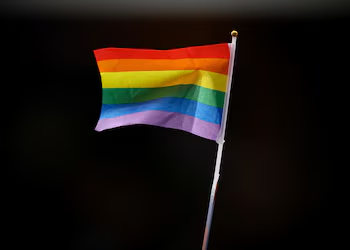
FIFA’s Historic Decision on Pride Flags at Egypt-Iran Match
FIFA has taken a remarkable step by allowing rainbow flags inside Lumen Field for the much-anticipated match between Egypt and Iran this Friday in Seattle. This groundbreaking decision occurs amidst rising tensions regarding LGBTQ+ rights, particularly from the governments of both participating countries, where homosexuality is criminalized.
A Step Towards Inclusivity
As reported by Reuters, FIFA’s move to permit pride flags is part of its commitment to making the 2026 World Cup an “inclusive event.” The international federation’s official statement indicates that pride flags and other symbols linked to sexual orientation and gender identity are permitted under the Stadium Code of Conduct. However, there are specific stipulations: the size of the flags is to be limited, and political objects are banned.
This decision reflects FIFA’s attempt to balance its values with the realities experienced by the participating nations. Although the flags are welcomed, the federation is careful to maintain a neutral stance regarding any overtly political messages.
Cultural Conflicts
Interestingly, the Football Federation of the Islamic Republic of Iran has voiced its discontent with FIFA’s decision. The Iranian federation requested the international body to prevent any “ceremony or promotional activity” in support of LGBTQ+ rights during the match. Iranian officials regard their nation’s laws and cultural values as incompatible with such expressions.
Similarly, the Egyptian Football Association condemned the inclusion of pride symbols, arguing that it contradicts the cultural, religious, and social values of the region. Officials from both countries have cited the significance of their shared Islamic traditions in opposing these newfound allowances.
Local Pride Celebrations
Despite pushback from Egypt and Iran, local organizers in Seattle are determined to uphold Pride celebrations. Hedda McLendon, a member of the local World Cup organizing committee, emphasized that Pride events have a rich history in the city, existing for more than 50 years. She noted, “It will happen this weekend and it will happen long after the World Cup,” underscoring Seattle’s culture of inclusion.
The Pride celebrations occurring simultaneously with the soccer match illustrate a broader evolution in societal attitudes towards LGBTQ+ rights, particularly in more progressive regions like Seattle compared to the more conservative perspectives held by the two competing nations.
Looking Ahead
FIFA’s decision in Seattle sets a significant precedent that may resonate beyond football. While the organization has to navigate the complex intersection of sports and cultural values, initiatives supporting inclusivity and diversity stand to benefit not only global sportsmanship but also the larger discourse on human rights.
This development may lead to further dialogue about acceptance and the role of international organizations in promoting LGBTQ+ rights, especially in regions where such rights are restricted. Though tensions remain high, the allowance of pride flags could signal a shift towards greater recognition of LGBTQ+ issues on the global stage.