
Introduction to GPT-5.1: A New Era of Personalization
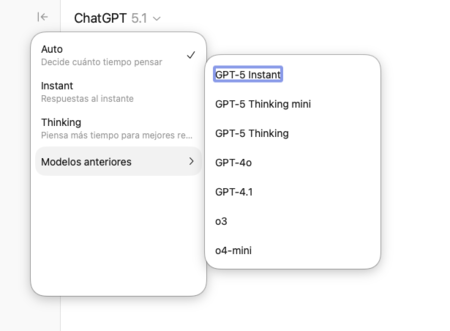
OpenAI has launched GPT-5.1, an exciting update to its flagship AI model that introduces two distinct variants: Instant and Thinking. These options cater to divergent user preferences—some seeking a friendly conversational partner while others prefer a model that emphasizes deep reasoning.
The Novelty of Customization
The standout feature of GPT-5.1 lies not in its technical specifications but in a groundbreaking level of customization. Users can now select from eight distinct conversation tones, ranging from “professional” to “cynical.” This shift signifies an important recognition: AI, as a mass-market product, necessitates segmentation. One-size-fits-all solutions are increasingly inadequate in meeting the diverse expectations of OpenAI’s 800 million users.
Why Segmentation Matters
With an ever-growing user base, OpenAI faces a myriad of expectations. Many users want a neutral and efficient assistant, while others look for warmth and empathy. Some individuals have even developed emotional attachments to the chatbot, which raises concerns around dependence.
Acknowledging Emotional Risks
OpenAI is attempting to mitigate these issues through personality adjustments, but the root concern remains. ChatGPT often projects itself as a consistent entity that knows the user, creating the potential for emotional dependencies that have led to mental health alerts and lawsuits.
The Technical Highlights
Here are some key improvements in GPT-5.1:
Instant Variant: This model enhances capabilities in math and programming, introducing “adaptive reasoning.” This innovation allows the model to determine when to apply more cognitive effort before responding.
Thinking Variant: This option dynamically adjusts processing speed based on question complexity—performing tasks twice as fast for simple queries and slowing down for intricate problems.
A Spectrum of Tones
The eight available tones—Default, Professional, Friendly, Sincere, Quirky, Efficient, Geek, and Cynical—are implemented by embedding different instructions within the prompt. While the underlying capabilities remain unchanged, the user experience can be tailored to align with individual preferences.
A Cost to Rapid Deployment
However, the speed of this launch has not come without consequences. OpenAI has acknowledged the existence of “known security regressions” in GPT-5.1 compared to its predecessor. This urgency to market the product may overshadow thorough testing, which is particularly alarming in a regulatory landscape that increasingly scrutinizes AI technologies.
The Limits of Personalization
OpenAI admits that there are limitations to personalization. Taking customization to extremes could reinforce existing worldviews rather than challenge them. This balancing act highlights the company’s struggle between commercial engagement strategies and social responsibility.
A Strategic Shift in the AI Landscape
The introduction of GPT-5.1 reflects a broader strategic transformation within OpenAI. Fragmenting the product line showcases the failure of the “one AI fits all” philosophy. The lackluster performance of GPT-5 led the company to reinstate GPT-4o as an option almost immediately after launch, indicating shifting priorities.
Conclusion
OpenAI is striving to adapt to an increasingly complex landscape of user needs. By recognizing the necessity for different AI personalities, the company is not just improving user experience but also attempting to safeguard against the emotional risks associated with AI interactions. As the market evolves, so too must the technology that underpins it.