
OpenAI’s Trillion-Dollar Ambitions and Credit Obligations
In recent months, OpenAI has signed agreements worth over $1.4 trillion for infrastructure projects, primarily focusing on data centers that are set to be constructed in the next 8-10 years. However, the crux of the matter lies in the immense credit obligations tied to these projects, which will require billions in payments by 2026. Without a clear strategy to address these daunting financial commitments, OpenAI’s future appears precarious.
The Financial Viability of OpenAI
Bad Business Decisions
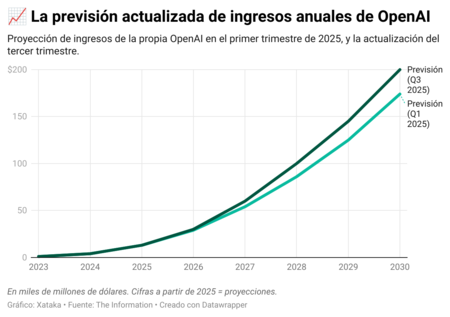
OpenAI’s current income structure fails to support the massive debt it is incurring. CEO Sam Altman recently indicated expectations of more than $20 billion in annualized revenue by the end of the year. Despite this optimistic projection, the organization anticipates ending up significantly in the red. Altman also hinted at future revenues potentially reaching “hundreds of billions” by 2030, but the immediate financials are unsustainable. This situation raises serious concerns about OpenAI’s capability to meet its credit obligations without resorting to extraordinary financing measures.
Searching for Rescuers
Government Bailouts: A Controversial Topic
Recently, discussions have surfaced about the possibility of government intervention should OpenAI face a fiscal debacle. Altman has made it clear that while they do not seek government guarantees, they are exploring partnerships, particularly in the context of developing semiconductor factories. This highlights a poignant contradiction: while seeking collaboration, avoiding state bailouts can be seen as a thin line to traverse.
Challenges Ahead
The Imminent Financial Crunch
Analyst Ed Zitron expressed a grim outlook, estimating that OpenAI will need around $400 billion over the next year to meet its mounting credit obligations. The ambitious plans to establish chips with Broadcom, alongside other substantial investments, point to an impending financial whirlwind. The logistics of building necessary infrastructure like data centers, compounded by insufficient resources, create a precarious situation for OpenAI.
Strategizing for Survival
Adopting Alternatives
OpenAI’s dependency on strategic investors and circular financing agreements is growing increasingly pronounced. Investors such as SoftBank may consider expanding their stake in OpenAI, especially after divesting from NVIDIA. However, the current financial climate renders these moves insufficient without explosive revenue growth, a reality still far from certain.
The Path to Going Public
IPO as a Potential Solution
One potential avenue for OpenAI is to go public now that it operates as a for-profit entity. Achieving an initial public offering (IPO) could generate significant capital, albeit skepticism looms over the feasibility and timing of such a move. Analysts remain wary about whether OpenAI can indeed achieve a billion-dollar valuation in the near future.
The Risk of Market Bubbles
A Fragile Ecosystem
Concerns about the sustainability of market valuations related to partnerships with companies like OpenAI present a bigger picture challenge. Analysts warn of a potential bubble that could burst if market confidence erodes, with dire consequences for companies reliant on speculative agreements.
Conclusion: A Worrisome Future?
Faced with enormous credit obligations and a fragile financial situation, OpenAI’s ambitious plans may not be sustainable in the long run. As it navigates complex partnerships and the volatile tech landscape, the company must recalibrate its strategies to avoid a financial crisis. Only time will reveal whether OpenAI can fulfill its lofty promises or if it is destined for a downturn.