
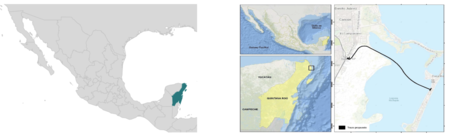
If you’ve been to Cancun, you probably know the hassle: quick trips can turn into lengthy waits, especially when trying to cross to the hotel zone. During peak seasons, the city’s main route becomes nearly impassable, causing frustration for both locals and visitors. To combat this persistent issue, Mexican authorities have been working to implement a solution—the Nichupté Vehicular Bridge, designed to provide a direct route and significantly reduce travel times.
A Promising Development in Mobility
The Nichupté Vehicular Bridge is more than just a proposal; it’s nearing completion. According to the Secretariat of Infrastructure, Communications, and Transportation (SICT), the bridge is in its final phases, with an expected opening at the end of April. This last stretch involves load testing up to 150 tons and conducting vibration measurements with accelerographs to ensure structural integrity and safety.
Bridge Dimensions and Features
The scale of this project is remarkable. Spanning a total of 11.2 kilometers, it includes an 8.8 km bridge over the lagoon and 2.4 km of junctions at either end. SICT emphasizes that the bridge has three traffic lanes—one of which is reversible—alongside a stunning 103-meter metal arch and a cycle path. These features not only enhance mobility but also aim to improve access for all types of travelers.
Significant Impact on Traffic Flow
This new route will connect the Boulevard Luis Donaldo Colosio with Kukulcan Boulevard, two pivotal access points to Cancun’s hotel zone and tourist area. This crucial connection is expected to cut travel time from over an hour to approximately 10 minutes, significantly easing congestion. Moreover, this route will serve as an emergency alternative, essential in regions prone to natural disasters.
Benefiting a Diverse Population
According to reports from the Government of Mexico, the bridge is projected to benefit over 1.3 million residents while also accommodating the more than 20 million tourists who flock to Cancun annually. Traffic forecasts have varied, with estimates ranging from 12,612 vehicles per day in late 2025 to as high as 20,000 in early 2026. The construction phase has also had a notable economic impact, generating around 51,000 jobs in total, both direct and indirect.
Environmental Considerations
The construction of the Nichupté Vehicular Bridge crosses a delicate ecological environment—the Nichupté lagoon system. Aware of this, the Ministry of Infrastructure, Communications, and Transportation has adhered to 10 programs and 25 environmental subprograms aimed at minimizing ecological impact. These measures include the restoration of 306 hectares of mangroves, rehabilitation of 118 hectares of seagrass, and the relocation of over 2,100 animal specimens, in addition to preserving native vegetation.
A Bright Future for Cancun’s Mobility
Cancun has long grappled with mobility issues, primarily affecting access to its primary tourist area. The Nichupté Vehicular Bridge is among the most ambitious initiatives developed to alleviate this challenge, promising to enhance daily life in the city significantly. With its upcoming opening, the bridge is set to become a pivotal point in verifying whether it meets the high expectations that have surrounded the project since its inception.
Images | Secretariat of Infrastructure, Communications and Transportation / SICT Quintana Roo Center