
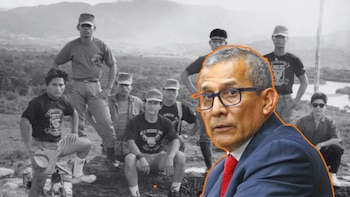
Ollanta Humala Excluded from Criminal Charges in ‘My Mother’ Case
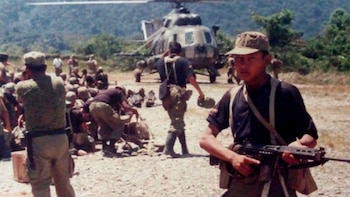
Former President Ollanta Humala has been excluded from the criminal process tied to the ‘My Mother’ case. The Supreme Court of Peru concluded there was insufficient merit to elevate the allegations to an oral trial. This ruling significantly impacts the ongoing investigation led by the Public Ministry regarding alleged human rights abuses that took place at the Military Base in the San Martín region during the 1990s when Humala was in command.
Ongoing Judicial Process for Other Military Personnel
Despite the dismissal of charges against Humala, the judicial process remains active for other involved parties, including former Army officer Amílcar Gómez Amasifuén and several military officials. They are under scrutiny for the disappearance of Nativity Ávila Rivera and Benigno Sullca Castro. These individuals were allegedly arrested and taken into custody at the military base in June 1992, with their fates remaining unknown since that time.
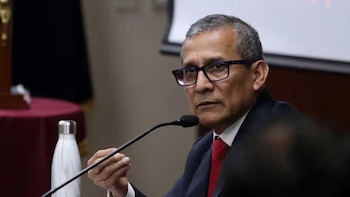
Gómez’s legal team, along with other co-defendants, has requested the Judicial Branch to permit the continuation of their freedom process. Through an appeal, they seek to overturn a resolution issued on June 2 by Judge Margarita Salcedo, who extended their preventative detention period by 16 months.
According to reports from RPP, Judge Salcedo justified this extension due to the complexity of the case, the seriousness of the crimes investigated, and the challenges in locating key witnesses, many of whom have reportedly migrated to other parts of the country or abroad, including Argentina and the United States. Moreover, the case has not progressed to the interim stage or oral trial, which substantiates the need for extended confinement.
Legal Appeals and the Judicial System’s Complexities
On July 9, Judge Salcedo accepted the appeal and ordered the matter forwarded to the Fifth National Appeals Chamber. This court will decide whether to process the orders and convene a virtual hearing involving all parties before reaching a final decision.
Notably, Gómez and the other military personnel were arrested in December 2023 during a coordinated nationwide operation. The Prosecutor’s Office has accused them of involvement in acts of torture, extrajudicial executions, and forced disappearances, which occurred during Peru’s internal armed conflict in the 1990s.
The judicial climate surrounding former Peruvian leaders Ollanta Humala and Nadine Heredia might shift dramatically, contingent on a legal maneuver in Brazil aimed at nullifying evidence amassed during the Lava Jato Operation. Constructora Novonor, previously designated Odebrecht, filed an application with the Supreme Federal Court (STF), demanding an immediate retraction of all shared evidence with international jurisdictions, including testimonies previously deemed manipulated.
This legal challenge has already stirred ramifications in Ecuador and could significantly impact judicial proceedings in Peru.
Possible Implications for Money Laundering Cases
According to Carvalho Marco Aurélio, representing Heredia in Brazil, if the STF invalidates the evidence transmitted to Peru via judicial cooperation agreements, the money laundering sentences facing Heredia must be revisited. In April of this year, she was convicted and sentenced to 15 years in prison, while Humala received a 20-year sentence, both accused of misappropriating illicit funds during electoral campaigns. Presently, Heredia resides in São Paulo, under diplomatic asylum, awaiting a ruling on her official refugee status.
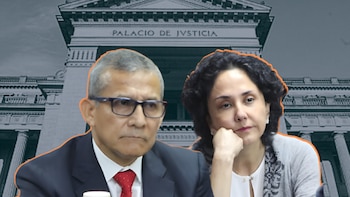
The potential invalidation of evidence is part of a broader reevaluation of the collaboration agreements between former Odebrecht executives and Brazilian judicial authorities, which have faced scrutiny from the STF itself. Minister Dias Toffoli, who is reviewing the case, has already annulled key testimonies and is currently assessing whether all international cooperation stemming from these statements should be invalidated. If upheld, Peruvian authorities may be compelled to reevaluate one of the most significant scandals tied to the Lava Jato operation within the country.
In light of these events, the judicial landscape around Humala, Heredia, and others implicated in various cases may witness drastic changes as legal proceedings evolve.