
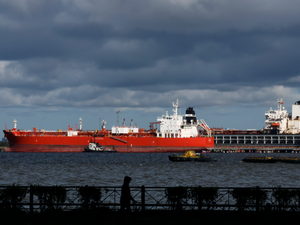
## Chinese Commander of Boracay Sentenced for Non-Compliance
On March 30, 2025, a significant legal decision was made by the Brest criminal court in France. The Chinese commander of the Boracay, an oil tanker linked to the notorious Russian ghost fleet, received a sentence of one year in prison for his refusal to comply with French naval authorities during a routine inspection. This verdict underscores growing tensions regarding maritime regulations and international sanctions.
### Details of the Case
The Boracay was apprehended on September 27, 2025, while sailing in international waters off the coast of Brittany. According to reports, the vessel had no visible flag, raising immediate suspicion. French navy personnel attempted to inspect the 244-meter-long ship as part of a standard protocol to ensure compliance with legal regulations. The commander, however, displayed what was described as “ill will” and resisted the inspection.
Deputy prosecutor Gabriel Rollin highlighted that this resistance forced French soldiers into “a dangerous maneuver likely to cause an accident,” stressing the seriousness of the situation. Although the commander was not present for the reading of the judgment, he was also hit with a hefty fine of 150,000 euros and is now subject to an arrest warrant.
### Implications of the Ruling
The court’s ruling represents a significant stance against non-compliance, especially concerning international shipping regulations. The Boracay was under European Union sanctions due to its affiliations with the Russian ghost fleet, a group of vessels known for evading sanctions and transporting illicit cargo. At the time of its arrest, the tanker was reportedly carrying Russian oil intended for delivery to India and had deceitfully raised a false Beninese flag to obscure its identity.
This case raises critical questions about maritime law and the enforcement of international sanctions. The defense attorney argued that the commander could not be tried by a French court since the incident occurred in international waters. Nevertheless, the court’s decision stands as a precedent that could empower naval forces to enforce compliance more vigorously.
### Broader Context: The Russian Ghost Fleet
The phrase “Russian ghost fleet” brings to mind a clandestine network of vessels that evade regulations and sanctions to transport resources. The Boracay’s involvement in this network illustrates the ongoing challenges faced by countries trying to manage their maritime borders and enforce international law. Moreover, the presence of two employees from a Russian private security firm aboard raised alarm bells about potential intelligence activities alongside illicit trade operations.
Following its arrest, the Boracay underwent a name change to Phoenix and now sails under a Russian flag, starkly defying previous attempts at anonymity. This evolution reflects a broader trend of ships attempting to obfuscate their true identities to elude law enforcement.
### Conclusion
The sentencing of the Boracay’s commander serves as a cautionary tale for maritime operations, particularly those entwined with geopolitical tensions. As countries uphold their sovereignty and safeguard their waters, the implications for international trade and shipping practices will be closely monitored in the future. The evolving dynamic of maritime law, sanctions, and enforcement will undoubtedly remain a focal point in discussions surrounding global trade and security.