
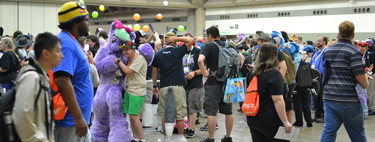
Understanding Therians: The New Wave of Identity
They wear animal masks, move on all fours, and publish tutorials on social media to master techniques like the gallop or feline jump. Therians are not a novel phenomenon; rather, social media has thrust them into the contemporary conversation. Who are they, where do they come from, and how do they differ from the furries? Can they claim their own veterinary services?
What is a Therian?
To comprehend this community, it’s essential to refer to their own definition: “species dysphoria,” a term that reflects discomfort akin to gender dysphoria (though not clinically recognized). A therian—derived from therianthrope, Greek for “wild beast” and “human”—is someone who identifies psychologically or spiritually as a non-human animal.
The Therian Society asserts that this identity goes beyond mere cosplay or costumes; it represents a lifelong acknowledgment of one’s non-human identity. Each therian connects with a specific animal, termed a theriotype, with canids and felines being the most common. Unique vocabulary has emerged around this phenomenon, including shifts, moments when a person experiences animalistic instincts or sensations, and phantom shifts, where individuals perceive additional limbs akin to phantom limb sensations.
The Origins of Therians
This identity first came into discussion within Usenet groups in the 1990s, particularly on the forum alt.horror.werewolves, originally for fans of fictional werewolves. The discussions evolved to question the essence of being a werewolf beyond fiction. Over time, therians distinctively separated from otherkin—a term for individuals identifying as non-human beings such as elves and dragons—as therians limit their identifications to real or extinct animals. The symbol for therians, Theta-Delta (ΘΔ), represents transformation.
Scientific Perspectives on Therians
Currently, academic psychology has not recognized species dysphoria within clinical frameworks. However, a thesis from Lake Forest College explored it as a recurring theme among therians. A distinction is made between therianthropy as a clinical condition (a delusional disorder where individuals believe they’ve transformed into an animal) versus non-clinical *therianthropy*, which does not appear in DSM-5 categories. Research indicates that a therian identity may protect against adverse psychological outcomes for individuals with autism or schizotypy, signifying a real psychological support network within the community.
TikTok: A Catalyst for Subcultures
The therian community has flourished on TikTok, where its algorithm effectively connects like-minded individuals through shared behaviors and interests. This digital platform has accelerated discussions and visibility surrounding subcultures that were previously confined to forums. Many therians engage in quadrobics, a unique discipline involving movement on all fours. Practitioners often publish tutorials, which gain traction for their visual appeal and provoke diverse reactions.
The Distinction of Furries and Therians
Understanding therians also requires looking back at the furry fandom, which emerged four decades ago. The initial furry community, birthed from discussions about anthropomorphic characters at a science fiction convention in 1980, underwent a similar journey of marginalization and recognition. While there’s significant overlap—approximately 15% of furries also identify as therians—the difference lies in their connection with animals. Furries relate to anthropomorphic creatures, creating fursonas as characters, whereas therians identify exclusively with real, non-anthropomorphic animals. This distinction remains essential in understanding the current societal perceptions and scrutiny faced by both groups.
The Legacy of Therians in Spain
The arrival of therians in Spain remains undefinable through landmark moments, surfacing gradually through media coverage alongside similar phenomena in Mexico and Argentina. Popular hangout spots include Madrid’s Retiro Park and Barcelona’s Ciutadella, where groups practice quadrobics. Discussions have emerged around topics like liquid identity in digital times, as well as the backlash faced from critics, including far-right organizations that capitalize on the perceived connections with gender dysphoria.