
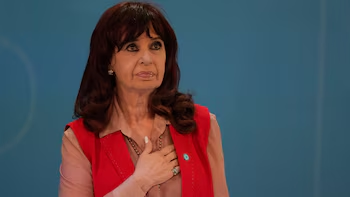
Cristina Kirchner Hospitalized: A Setback in Recovery
Former Argentine President Cristina Kirchner remains under medical care at Otamendi Sanatorium in Buenos Aires following surgery for acute appendicitis complicated by localized peritonitis. Recent medical reports indicate she is experiencing a mild complication known as postoperative ileus, a common aftereffect of abdominal surgery.
Understanding Postoperative Ileus
Postoperative ileus refers to a temporary cessation of intestinal movement, preventing normal digestion. This condition can manifest through symptoms like abdominal distention, nausea, vomiting, and difficulty passing gas or stool. According to the medical team, Dr. Marisa Lanffanconi emphasized that this complication is typical post-surgery and is being monitored closely.
A medical report released on December 24 detailed Kirchner’s surgical progress, stating the surgery went well but confirmed the emergence of the ileus. An abdominal CT scan helped affirm the diagnosis, leading to the implementation of necessary support measures.
Ongoing Treatment and Monitoring
While hospitalized, Kirchner is undergoing intravenous antibiotic treatment and peritoneal drainage, crucial for managing her condition. The medical team clarified that she has not exhibited fever, a positive sign in her recovery trajectory. Continuous monitoring aims to avert complications from both the infection and the ileus, ensuring that she remains stable.
The healthcare professionals have noted that the condition typically resolves with supportive treatment, including intestinal rest and fluid management. As of now, there has been no indication of further symptoms or complications, which is reassuring for her medical team.
The Path Ahead
Cristina Kirchner’s hospitalization will continue until there is tangible evidence of improvement. The decision on her discharge will hinge on her clinical evolution and the resolution of the ileus, alongside the management of localized peritonitis that precipitated her surgical intervention.
Supporters of the former president have gathered outside the sanatorium, expressing their solidarity with flags and slogans like “You will never walk alone.” This display of public support highlights the significance of her leadership role and the concern from her constituents.
Conclusion
As Cristina Kirchner remains under strict medical observation, her situation underscores the challenges post-surgical patients may face. With ongoing treatment and vigilant monitoring, there is hope for her swift recovery. The medical reports will guide the next steps in her treatment, while the continued public support reflects her enduring impact on Argentine society.