
The Turbulent Landscape of French Professional Football
For several months, French professional football has found itself navigating an unprecedented area of turbulence. On an economic level, warning signs are becoming increasingly apparent: massive exploitation deficits, a continuous erosion of domestic TV rights, and an explosion in operating costs, especially salary expenses. The clubs are at a crossroads, striving to balance sporting ambitions with budgetary constraints while grappling with a structural deficit that has become all too familiar. Despite the DNCG (the financial gendarme of football) amplifying its warnings, the harsh accounting reality remains evident: the current model, heavily reliant on player sales, is gasping for breath. Furthermore, an escalating tension surrounds the governance of French football, as reforms implemented thus far have yet to yield the anticipated stability.
Institutional Crisis and Legislative Reforms
This economic crisis has morphed into a full-scale institutional crisis, ignited by the adoption of the Lafon-Savin law. This legislation foresees a seismic shift in the organization of professional football in France. It aims to establish a “SAS League” — akin to the English Premier League’s club company model — and enhances the authority of the French Football Federation (FFF). While the intention behind modernizing the system is not contentious, the method has raised alarms across the professional sector. Clubs, players, coaches, and leaders of the LFP (Professional Football League) have voiced strong objections, believing the law undermines the league’s autonomy and the fragile equilibrium currently in place. French football now faces the dual challenge of rectifying these structural flaws and addressing deep-rooted institutional fractures.
The Controversial Lafon-Savin Bill
The Lafon-Savin bill, which was adopted by the Senate on June 10, sent shockwaves across French professional football. Its provisions include transforming the Professional Football League (LFP) into a club company, specifically a simplified joint-stock company (SAS), and granting significant power to the FFF. Although this reform ostensibly seeks to bolster the economic autonomy of clubs while asserting the Federation’s oversight, the underlying implications are disturbing. Article 11 bis of the legislation permits the FFF to revoke the delegation of audiovisual rights to the LFP unilaterally, potentially leading to the league’s dissolution—a scenario perceived as an institutional coup by stakeholders.
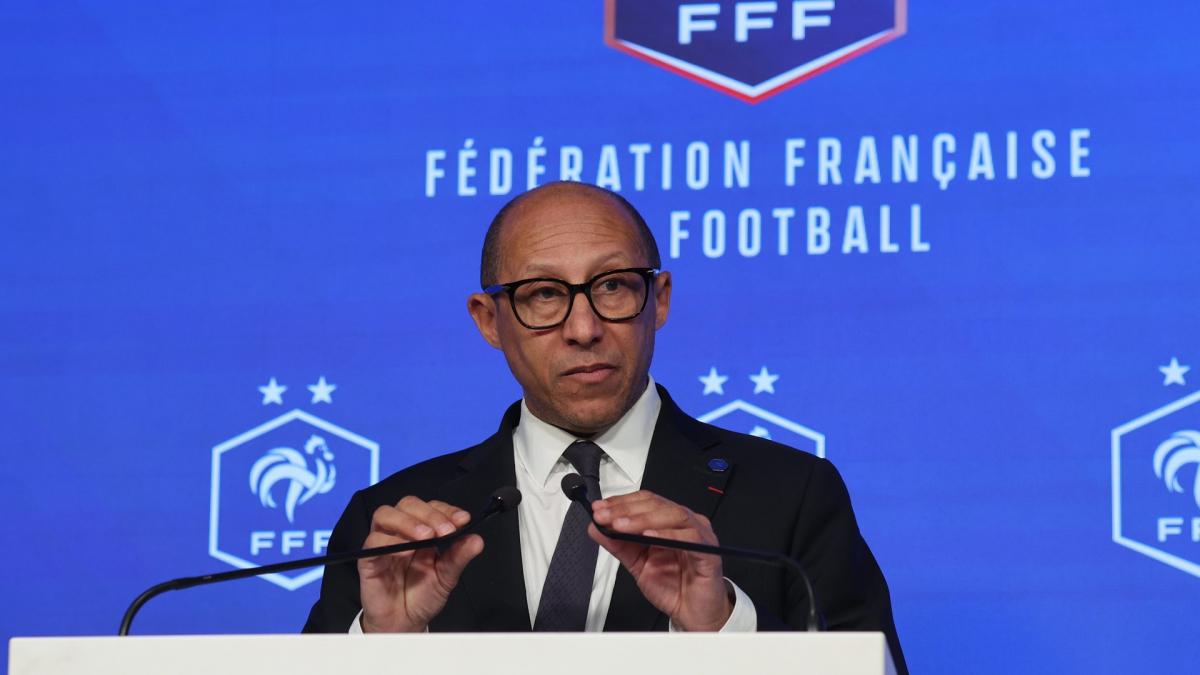
In response, the LFP initiated a counter-offensive, rallying all actors in professional football—including clubs and players—to draft a 58-page report. This document, addressed to Sports Minister Marie Barsacq and FFF President Philippe Diallo, articulates both criticism of the current legislative initiative and constructive proposals. It champions an autonomous and modernized SAS League that would not be wholly subordinated to the Federation and would incorporate representatives from the CVC fund and the players themselves. Among its key recommendations is the removal of Article 11 bis, which undermines the democratic essence of reform.
Challenges within Governance and Financial Oversight
Beyond governance, many other provisions in the bill have drawn intense scrutiny. Notably, the direct association of the DNCG with the FFF, along with the placement of the Disciplinary Commission under its jurisdiction, is considered precarious for the autonomy and effectiveness of football governance. DNCG President Jean-Marc Mickeler has vehemently stressed the need for independence in governance discussions, affirming that both he and his colleagues are immune to outside influences.
Moreover, increasing payrolls are pushing clubs to the brink. Mickeler admits, “In the 2024-2025 season, the payroll escalated by over €200 million from initial budget forecasts to actual figures during hearings.” With a staggering payroll outpacing club revenues, the growing fiscal pressure poses a serious question mark over the sustainability of many clubs—14 of 18 Ligue 1 teams foresee significant financial losses.
The DNCG’s Diagnosis of Financial Health
To illustrate the gravity of the situation, Mickeler sounds a cautious alarm: “We remain competitive but are far from being healthy.” The looming operational loss of approximately €1.3 billion for the 2024-2025 season, alongside nearly €800 million anticipated from player transfers, reveals a contingent net loss of around €400 million. These disclosures align with prior forecasts shared with the clubs, reflecting the pressing need for substantial structural reform.
Mickeler also warned against the unsustainable nature of current funding strategies, emphasizing that while shareholders had contributed roughly €1.1 billion to stave off immediate crises, this form of financial assistance cannot perpetually solve underlying issues. For some clubs, continual injections of cash are increasingly untenable, necessitating an immediate reduction in operating costs and an increase in financial equity to secure long-term viability.
In conclusion, French professional football teeters on a precipice. With substantial operational losses forecasted, the future of the league hinges not only on structural changes but also on a profound reassessment of financial practices. Without a serious commitment to reform, the vibrant ecosystem of French football risks collapse under weighty fiscal pressures, leaving stakeholders to navigate a precarious landscape fraught with uncertainty.