
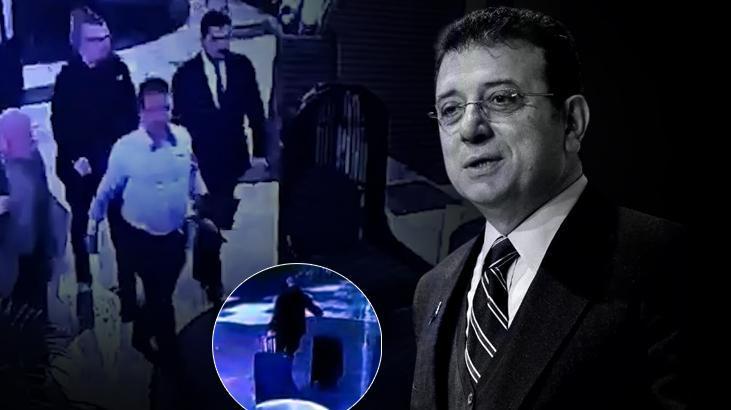
The Ongoing Corruption Investigation in Istanbul
Corruption in governance remains one of the most pressing issues in modern society. The recent developments in Istanbul highlight how serious allegations can arise against prominent figures, particularly in the context of local governance. The Istanbul Chief Public Prosecutor’s Office has initiated an investigation into allegations against Ekrem İmamoğlu, the Mayor of Istanbul, related to a variety of serious charges. This inquiry sheds light on the challenges of transparency and accountability in public administration.
Charges Against Ekrem İmamoğlu
Ekrem İmamoğlu, who was recently removed from his position following his arrest, faces several accusations including "being a leader of a criminal organization," "being a member of a criminal organization," "extortion," "bribery," "qualified fraud," "illegally obtaining personal data," and "obstructing a tender." These allegations raise significant concerns about the integrity of city officials and their decision-making processes.
The extent of corruption in major cities often reflects on the overall health of a country’s democratic institutions. This investigation is not only crucial for holding specific individuals accountable but also for ensuring public trust in local governance.
Uncovering New Evidence
Newly surfaced footage from September 15, 2024, and March 4, 2025, provides critical insights into İmamoğlu’s actions during his tenure. Reports indicate that the cameras initially disabled during meetings have recently been found to have been operational, raising questions regarding the transparency of these discussions. Such discrepancies in camera usage can potentially serve as evidence in the ongoing legal proceedings and underline the need for accountability within governmental processes.
The Role of İmamoğlu’s Security Chief
One key figure in this investigation is Mustafa Akın, who serves as İmamoğlu’s security chief. In his statements to authorities, Akın was questioned about the decisions made regarding the disabling of cameras during critical meetings. He acknowledged uncertainty about the reasons for disabling the cameras, suggesting that security concerns or an absence of need for privacy might have played a role. His responses highlight the complexities involved in ensuring security while maintaining transparency in public functions.
Investigative Procedures and Public Reactions
The investigation led to the detention of 45 suspects involved in alleged irregularities within various departments, including İSTAÇ, KİPTAŞ, and the Road Maintenance Department. The sheer number of individuals implicated suggests systemic issues within local government structures that require urgent attention. The public’s response has been one of frustration and concern, emphasizing the importance of ethical governance and accountability in public service.
Questions About Accountability
Akın provided explanations for the decisions made regarding camera usage during İmamoğlu’s meetings. He stated that the aim was to protect the confidentiality of discussions critical to governance. However, such justifications suggest a potential conflict between privacy, security, and transparency. The public deserves clarity regarding the nature of these meetings and the individuals involved.
Investigative Integrity and Future Implications
The continuing investigation is essential not only for the individuals involved but also for the future of governance in Istanbul. The legal proceedings against İmamoğlu will likely impact his political career, as well as the broader political landscape in Turkey. The implications of corruption cases often resonate beyond the individuals directly involved, influencing public trust and the perceived legitimacy of governmental institutions.
The Importance of Transparency
Transparency in governance is fundamental for fostering public trust. As the investigation unfolds, both officials and citizens await concrete answers about the ethical practices of the city administration. Ensuring that public officials are held accountable for their actions is critical for the health of democratic systems.
As the world watches the developments in Istanbul, the case serves as a cautionary tale about the consequences of corruption and the significance of ethical governance. The ongoing investigation stands as a pivotal moment in Turkish politics, potentially redefining government accountability and ethical standards in public service.
İstanbul Cumhuriyet Başsavcılığınca, tutuklanmasının ardından İBB Başkanlığı görevinden uzaklaştırılan Ekrem İmamoğlu‘nun da aralarında bulunduğu zanlılar hakkında “suç örgütü yöneticisi olmak”, “suç örgütüne üye olmak”, “irtikap”, “rüşvet”, “nitelikli dolandırıcılık”, “kişisel verileri hukuka aykırı ele geçirmek” ve “ihaleye fesat karıştırmak” suçlarından yürütülen yolsuzluk soruşturması sürüyor.
Ekrem İmamoğlu’nun toplantı için gittiği ve kameraları kapatılan otele ait yeni görüntülere ulaşıldı. Soruşturma dosyasında yer alan yeni görüntülerde, Ekrem İmamoğlu’nun toplantı için gittiği otelde 15 Eylül 2024’teki ve 4 Mart’taki görüşmelerinde, bu kez görüntü alınmasının engellenmediği görüldü.
Koruma müdürüne kameraların neden kapatılmadığı soruldu
Soruşturma kapsamında, İSTAÇ, KİPTAŞ ve Yol Bakım Daire Başkanlığında usulsüzlük iddialarına ilişkin düzenlenen operasyonda gözaltına alınan 45 şüphelinin arasında yer alan Ekrem İmamoğlu’nun koruma müdürü Mustafa Akın’a, emniyetteki ifadesinde görüntülere yönelik sorular yöneltildi.
Akın’a, İmamoğlu’nun Beşiktaş’taki otelde 2024 yılında Temmuz, Ağustos, Eylül, Ekim, Kasım ve Aralık çeşitli tarihlerde yaptığı görüşmelerde kameraların kapatılmadığı, 8 Ekim 2024, 12 Ekim 2024 ve 6 Mart 2025’teki görüşmelerde kapatılan kameraların, söz konusu tarihlerde kapatılmamasının sebebinin ne olduğu, kameraların kapatıldığı ve kapatılmadığı tarihlerde söz konusu yerlerde İmamoğlu’nun kim ya da kimlerle görüşme yaptığı soruldu.
Şüpheli Akın, bu soruya, “Bu tarihlerde kamera görüntülerinin neden kapatılmadığını bilmiyorum ancak İBB’de çalışan ve özel kalem müdürü ile yaptığı kısa toplantılarda bir güvenlik açığı oluşmayacağı için veyahut bazı toplantıların mahremiyet gerektirmeyeceği için kapatılmamış olabilir. Daha önceki soruda izah ettiğim üzere, toplantılara katılan kişilerle ilgili hiçbir bilgiye vakıf değilim. Kameraların kapatılmamış olması da görevin eksik yapıldığını gösterir.” yanıtını verdi.
“Otelin hiçbir iletişim anını ya da görüntü alınmasını engelleyecek faaliyette bulunmadık”
İmamoğlu’nun toplantı yaptığı bir tarihte kameralara neden bant çekildiği, kim veya kimlerin bant çekme talimatı verdiği sorusunu da Akın, şöyle yanıtladı:
“Bahse konu toplantı katında bulunan sadece toplantı odasının önündeki kameranın kapatılma sebebi, sayın başkanın toplantılarının mahremiyetinin sağlanması, kamuya kapalı bir toplantı olması sebebiyledir. Daha evvelden The Marmara Otel‘de ve Balıkçı Kahraman isimli mekanın çıkışından itibaren sayın başkanın mahrem ve kişiye özel görüntülerinin ilgisi ve alakası olmayan basın yayın kuruluşlarına servis edilmesinden dolayı, bizler de sayın başkanın korunma ve kollama görevini yapan arkadaşları olarak yapmış olduğumuz toplantı neticesinde yukarıda bahsettiğimiz toplantıların mahremiyetini sağlamak adı altında, sadece toplantı salonunun girişindeki kameraların kapatılmasının kararını ekip olarak aldık. Bu arada otelin ya da mekanın başka bir alanındaki hiçbir iletişim anını ya da görüntü alınmasını engelleyecek hiçbir faaliyette bulunmadık.”