
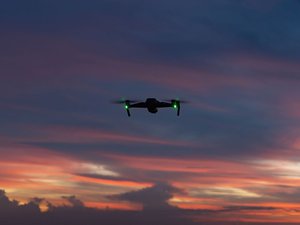
Munich Airport closed for the second consecutive night this Friday, October 3, 2025, after a new drone alert , raising serious concerns about national security . The heightened tensions come as Berlin publicly declared the situation a “threat” , scrutinizing the implications of such disturbances on the safety of the country and its air travel.
What to Remember
Munich Airport suspended its flights for the second consecutive night, affecting 6,500 passengers ; 69 flights were canceled or diverted.
Berlin has characterized the drone incidents as a “threat” to national security; the Interior Minister is pushing for the authorization to shoot down drones, which is currently restricted to police use.
Several EU nations, including Poland and Romania, suspect Russia of orchestrating these drone overflights of sensitive sites; the EU is considering establishing an anti-drone “wall.”
The drone phenomenon is causing significant turmoil across Europe, with various EU nations speculating on Russia’s involvement in these repeated overflights of sensitive areas. Following the first incident on Thursday night, the Bavarian airport announced it would maintain a preventive suspension of its air operations, halting all activities at 9:30 PM due to unverified reports of drone sightings.
While the presence of drones had not been officially confirmed at that point, police reports indicated that two simultaneous sightings had been reported shortly before 11 PM near both the North and South runways.
6,500 Passengers Affected
The fallout from this incident has been far-reaching. Twenty-three flights scheduled to land in Munich were disrupted, 12 flights were canceled, and a staggering 46 flights from the airport were either canceled or postponed—impacting 6,500 passengers overall. To mitigate the situation, airport authorities provided camp beds and meals for those affected, stating they hoped to resume normal flight operations by 5 AM the next day.
As Germany’s second-largest airport, Munich plays a critical role in European air travel, reflecting the severity of these drone alerts. The previous night alone, the airport’s operations had already been curtailed due to a similar incident, resulting in over 30 flight cancellations impacting nearly 3,000 passengers . Although traffic resumed at dawn on Friday, this new disruption was an unwelcome repeat.
Interestingly, Friday marked the German National Holiday , celebrating the reunification of Germany in 1990, further muddying the day’s proceedings as citizens were caught off guard by the airport’s closure.
“Bring Down Drones”
The authorities did manage to identify several drones on Thursday evening around Erding—where the German army has an airbase—and over the Munich airport itself. Despite deploying helicopters in response, local police struggled to quantify or intercept the drones.
Interior Minister Alexander Dobrindt has publicly labeled the situation a “threat.” In an interview with Bild, he argued for a more aggressive stance, insisting that authorities “must shoot down drones rather than waiting.” This statement underscores a pivotal shift in tactics as the government prepares to revise air security laws, which currently restrict the right to shoot drones to police forces alone.
Broader European Concern
The drone crisis is not limited to Germany; other European airports, including those in Denmark , Norway , and Poland , have also suspended flights recently due to similar sightings. Countries like Romania—having experienced its own drone incidents—along with Estonia, where NATO recently intercepted Russian planes, have pointed fingers at Moscow amidst growing international scrutiny.
Earlier this month, Poland reported encountering 19 drones intruding into its airspace, further intensifying accusations against Russia. Moreover, Denmark’s Copenhagen Airport faced a similar fate as it was forced to close on September 22, impacting air travel across the not only national but also European theater.
The Origin of the Drones
Despite extensive investigation, the origin of these disruptive drones largely remains a mystery. However, Danish authorities are echoing sentiments of blame against Moscow . This ongoing series of incidents has shone a light on crucial gaps in NATO’s defense mechanisms against such emerging threats.
In response to escalating concerns, EU defense ministers convened in Copenhagen to discuss the establishment of an anti-drone “wall.” This initiative reflects the urgent need for collective action against a threat that transcends national borders and possesses the potential to undermine not only aviation safety but also broader security measures within the European Union.
In summary, the ongoing drone alert situation at Munich Airport serves as a chilling reminder of the vulnerabilities faced by modern air travel. With growing tensions among European countries, the urgency for a unified, strategic response becomes clearer than ever. As various stakeholders push for decisive action, the ramifications of these incidents will likely reverberate throughout the continent, prompting a reassessment of existing security protocols.