
Before streaming changed everything, watching television was a game governed by very clear rules: waiting for your show to begin , tolerating commercials, and accepting the moment’s offerings. This was the norm. However, platforms like Netflix emerged, promising something different. And for a time, it delivered.
Suddenly, there was no need to wait until Thursday night to watch the latest episode of your favorite series. Advertisements were non-existent, and if you wanted to binge-watch three episodes in a row, you could do so without interruption. It all pointed to a new way of consuming content: more freedom, more personalization. Yet, as time went on, this new form of television began to mirror the old.
The Old-School TV Experience on Netflix
First came advertisements—only for those not subscribed to the highest-tier plan. Following that, live sports and collaborations with traditional networks were introduced. Now, the most recent step: the return of classic television, including linear channels. And this is no metaphor. Netflix has inked a historic deal with TF1, France’s chief private network, to incorporate its channels directly into its platform.
Starting in the summer of 2026, Netflix users in France will be able to watch five linear TF1 channels live, along with access to over 30,000 hours of on-demand content through TF1+. This content will range from matches involving the French national team to reality shows, competitions, entertainment programs, and locally-produced series.
For Netflix, this move is strategic: by integrating competition, they expand their offering in the fast-evolving French market. For TF1, this represents a chance to reconnect with an audience that has steadily turned its back on traditional television. And for viewers, this merger signifies that the barriers between free-to-air TV and on-demand platforms are becoming increasingly blurred.
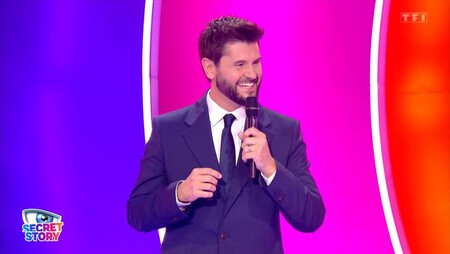
One of TF1’s most popular reality shows is Secret Story.
This arrangement arrives at a pivotal time. While Netflix dominates the global streaming space with dozens of original productions , traditional networks are grappling with a sustained loss of audience and advertising revenue. Such alliances could be the lifeline both sides desperately need. Yet, it raises a poignant question: Has the streaming revolution ultimately unearthed the conventional television we thought had faded away?
Currently, details regarding revenue sharing or whether Netflix made any payments for the integration of these channels remain unclear. It is also uncertain whether similar initiatives will arise in other European markets, like Spain. What is increasingly evident, however, is that streaming and traditional television are fated to intersect. When that convergence happens completely, it might become impossible to distinguish where one ends and the other begins.
Images | Xataka with Grok | Netflix | TF1 (1, 2)
In conclusion, as the lines between traditional television and streaming platforms continue to blur, it will be fascinating to observe how audiences adapt to these changes. Whether embracing the old or finding new content to enjoy, one thing is certain: the future of viewership is evolving at a rapid pace.