
The Evolution of AI in Visual Art
It feels like an eternity since we were captivated by the stunning images produced by DALL·E 2, featuring works like ‘The Girl with a Pearl Earring’ reimagined and An avocado in spoon therapy. Back in 2022, OpenAI’s cutting-edge artificial intelligence left us in complete awe with every new release. The ability for anyone to generate images that previously required immense technical expertise and hours of labor marked a significant moment in creative history.
What began as a mere visual curiosity has now evolved into something far more profound. Following the initial fascination, we’ve seen the advent of synthetic voices and AI-generated videos, culminating in the development of specialized tools like Sora and Gen-3 Alpha tailored for professional use.
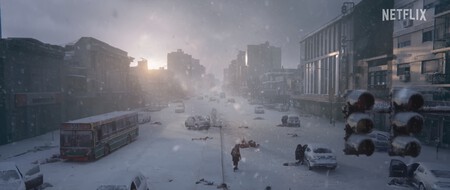
The Scene of a Building Falling in Buenos Aires Marks a Milestone for AI
This technological progression has sparked not only new methods of creation but has also reignited longstanding concerns about the future of creative employment. Recently, the formidable presence of AI was confirmed on one of the most significant stages, with its use being integrated into one of Netflix’s marquee shows.
This revelation came from Netflix Co-CEO, Ted Sarandos, during an investor presentation where he proclaimed, “We firmly believe that artificial intelligence presents an incredible opportunity for creators to produce better films and series—not just cheaper ones.” Sarandos elaborated that they are already experiencing tangible benefits in pre-production and shooting planning phases. However, the outstanding example came from the production of *The Eternalauta*.
In a pivotal scene, the creative team desired to showcase a building collapsing in the heart of Buenos Aires. By collaborating with Eyeline Studios’ innovation team and utilizing generative tools, they achieved not only a visually stunning result but also executed the sequence ten times quicker than conventional methods. According to Sarandos, the cost savings were substantial, rendering it unfeasible for a series burdened with a traditional budget. This event marks the first-ever instance of AI-generated content being incorporated into the final footage of an original Netflix production.
“The creators were ecstatic about the outcome. We were thrilled, and, most importantly, the audience was delighted with the result ,” Sarandos concluded. He reiterated that generative tools do not supplant creative professionals but rather broaden the possibilities available to filmmakers.
More than just a technological milestone, *The Eternalauta* has emerged as a considerable success for Netflix. According to Forbes, the Argentine series soared to number one on Netflix’s global charts for non-English shows on April 30, its premiere date, amassing 10.8 million views and 58.3 million hours watched within its first week.
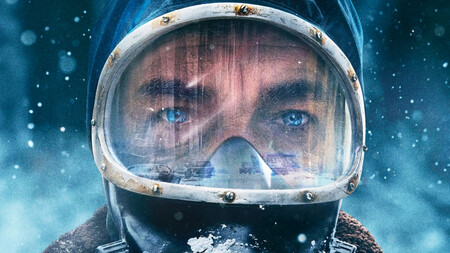
Based on the iconic graphic novel by Héctor G. Oesterheld and Francisco Solano López, the narrative unfolds in a Buenos Aires engulfed by a toxic snowfall that decimates the populace. It follows a struggle against an alien invasion , showcasing collective resistance amid chaos.
To craft this hyper-realistic and immersive environment, production opted for virtual production techniques , which combined with generative technology resulted in visuals previously reserved for only the highest-budget projects.
This rapid evolution is undeniable. Within just a few years, we’ve progressed from generating whimsical images with AI to witnessing these technologies become integral components of high-level productions. While *The Eternalauta* stands as a significant milestone, it also raises pertinent questions about future films and series utilizing AI. Furthermore, how will these changes influence sectors like the video game industry , and what will be the ramifications for creators navigating this transformative landscape?
Numerous questions linger regarding the ethical implications of using human creations to train generative models, the intricacies of copyright, and the real impacts on employment within creative fields. Recent controversies, such as those involving the National Electoral Institute of Mexico accused of misusing the voice of the original narrator for ‘Dragon Ball Z,’ reflect ongoing tensions. The protests within Hollywood highlight our struggle to grasp the full impact of this advancing technology.
Images courtesy of Netflix.
As we forge ahead into this new era of creativity shaped by artificial intelligence, the conversations surrounding its implications will only intensify.