
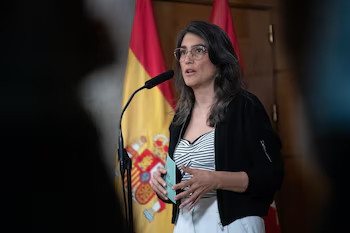
More Madrid’s Demand for Clarity on Ayuso’s Mexico Trip
The recent announcement of Isabel Díaz Ayuso’s ten-day trip to Mexico has stirred controversy among political circles in Madrid. Manuela Bergerot, the spokesperson for Más Madrid, has publicly demanded an explanation from Ayuso regarding her travel plans, labeling them as reminiscent of a “paid vacation to a right-wing theme park.”
The Itinerary Under Scrutiny
Ayuso’s agenda, aimed at strengthening economic and cultural ties, includes visits to major cities such as Mexico City, Monterrey, Aguascalientes, and the Riviera Maya. Critics, especially from Más Madrid, question the trip’s purpose, highlighting that Ayuso will only engage with conservative leaders— the mayor of a district in Mexico City and a governor from a state of just over a million inhabitants.
Bergerot took issue with the fact that during an institutional trip, Ayuso will not meet with Claudia Sheinbaum, the president of Mexico. Critics suggest that such a meeting could allow her to act in a capacity representative of Madrid rather than aligning with her ideological perspective.
Political Context and Implications
The backdrop of Ayuso’s trip includes a history of heated verbal exchanges with Sheinbaum, particularly regarding historical interpretations of the Spanish conquest of America. These exchanges create an atmosphere of tension between the two leaders. Bergerot pointed out that Ayuso’s decision to bypass meetings with left-leaning officials symbolizes a preference for promoting her ideological agenda over genuine diplomatic engagement.
The Madrid president’s upcoming activities include a “religious tribute to Hernán Cortés,” further fueling accusations that this trip is more about personal beliefs and ideological alignments than fostering international relations.
Planned Meetings and Honors
While the trip is framed as a formal agenda, the reality of the events raises eyebrows. Scheduled meetings with Mexican businessmen, as well as lunches with governors from various states, certainly hold economic promise. However, the nature of these interactions has been categorized by critics as insufficient in fostering genuine diplomatic relations.
Moreover, the trip includes attending a cultural celebration and events honoring historic figures, indicative of Ayuso’s preference for aesthetics over substantial policy discussions. Critics propose that if her trip were truly aimed at enhancing Madrid’s international standing, it should involve a more diverse range of interactions rather than focused engagements with a select few conservative figures.
Conclusion: A Call for Accountability
As Ayuso embarks on her trip, the demand for accountability and transparency remains prominent in political discourse. With Bergerot’s call for Ayuso to sufficiently justify the trip, it is clear that constituents are watchful of how international engagements are conducted and whose interests they serve. Unless addressed, these actions could paint a picture of neglecting broader diplomatic opportunities in favor of partisan agendas.