
Renault’s Foray into Military Drones: Project Chorus
In a remarkable shift from automotive manufacturing to military innovation, Renault is venturing into the arms production realm with its new drone initiative named Chorus. This endeavor is not merely a diversification strategy but a strategic response to an evolving geopolitical landscape. The necessity for mass production and cost-effective solutions has taken center stage in modern warfare, areas where the European automotive industry excels.
Chorus: A New Military Drone Initiative
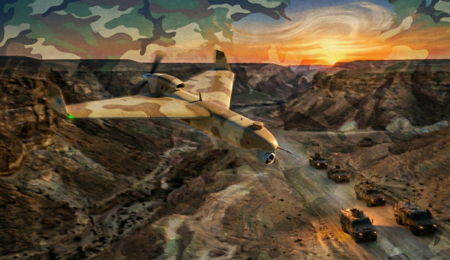
Renault’s Chorus project aims to create a military drone that specializes in long-distance attack, observation, and reconnaissance missions. Designed for intensive use while keeping costs contained, this drone is envisioned as a teleoperated system akin to Russia’s Shahed drones. The Directorate Générale de l’Armement (DGA) oversees the initiative, recognizing a critical operational gap and commissioning Renault to leverage its manufacturing capabilities. This collaboration is part of the Pacte Drones, a state initiative aimed at strengthening the military drone sector and aligning industrial capacity with defense needs.
Engineering Collaboration
While Renault brings extensive manufacturing expertise to the project, the conceptual groundwork for Chorus is laid by Turgis Gaillard. The DGA acts as both client and architect, combining the agility of a defense SME with the efficiency and cost-effectiveness of a large automotive manufacturer. Renault’s focus lies in refining the drone’s design and engineering, utilizing automotive materials and assembly techniques like self-piercing riveting. Specifications indicate that the drone will measure approximately 10 meters in length, 8 meters in wingspan, and can reach speeds of up to 400 km/h, with an operational ceiling of 5,000 meters.
The Le Mans Plant: A Historical Hub
The Le Mans facility will serve as the primary assembly site for the Chorus drone. This plant will not only maintain its automotive production but will also incorporate drone assembly into its operations, starting in spring 2025. The assembly line will be activated on-demand based on orders from the DGA, involving 100 to 200 workers from a skilled workforce of around 1,800. This flexible manufacturing model anticipates the possibility of producing up to 600 drones per month if demand necessitates it.
Contractual Framework
The Chorus project is structured around a phased validation process. Initial delivery of a dozen drones is anticipated before summer 2026, which will serve to evaluate the concept under real-world conditions. Funding for the project will primarily come from public sources. Only upon successful validation will a long-term agreement, estimated at 1 billion euros over a decade, be negotiated, contingent upon official approval.
A Response to Modern Warfare Challenges
Renault’s decision to pivot toward military drone production is a direct acknowledgment of the shortcomings in France’s rapid drone manufacturing capabilities. The overarching theme in discussions by government officials, including Minister of Armed Forces Sébastien Lecornu, is that those nations unable to produce drones efficiently will struggle in contemporary conflict scenarios. President Emmanuel Macron has explicitly remarked on the urgency of addressing these delays.
Historical Context and Future Implications
Renault’s journey into drone manufacturing evokes historical echoes of its role during World War I with the FT tank, which significantly shaped modern armored warfare. That experience highlights the challenges of producing military hardware at scale. With Chorus, Renault raises pivotal questions about whether this shift is a temporary response to urgent needs or the dawn of a new phase for the European automotive and defense industries.
Conclusion
As the global landscape continues to evolve, projects like Chorus exemplify the vital intersection of automotive ingenuity and defense needs in contemporary warfare. The coming years will reveal whether this initiative marks the beginning of a sustained military focus for Renault or remains a unique response to current challenges.