
The Shifting Landscape of PC Gaming
For years, the automatic choice for computer gaming was Windows. With limited Linux support and macOS lacking a competitive gaming catalog, Windows dominated the scene. This status quo began to shift when Valve invested in gaming on Linux. The Steam Deck emerged unexpectedly, changing players’ perceptions and enticing some to consider Linux over Windows. As discussions about Linux gaming grow, Windows faces scrutiny like never before.
Windows’ Historic Strengths Dwindling
Historically, Windows excelled in gaming, primarily due to its extensive catalog and robust development tools. However, this perception is evolving as Windows 10 support concludes and stringent Windows 11 requirements surface. Older machines now struggle, pushing users towards costly solutions like extended support. Additionally, Windows 11’s integration of functions perceived as unnecessary has led to disappointment among gamers, creating a sense of weariness with the platform.
Microsoft’s Strategy to Retain Dominance
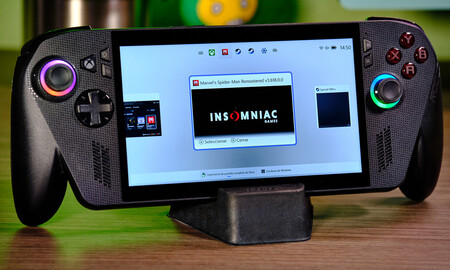
In response to Valve’s strategically increasing pressure, Microsoft is not resting on its laurels. The tech giant is collaborating with manufacturers like Asus and AMD to create devices like the ROG Xbox Ally and Xbox Ally X. These portable devices run Windows 11 with a full-screen interface optimized for controller use, combining PC flexibility with a console-like feel. This tactical move allows Microsoft to compete in the portable gaming market without the burden of new hardware development.
Innovations from Collaborations
Microsoft’s partnerships have led to significant technical improvements within Windows 11, benefiting a vast portion of the Windows ecosystem. Enhancements like more efficient power settings and more stable memory management on Ryzen APUs have been pivotal, yet the company acknowledges that further progress is necessary. Their commitment reads: “We are committed to making Windows the best place to play, and we will continue to refine the system behaviors that matter most in gaming.”
Technical Advances and Features
Recent updates have introduced several technical advancements to improve gaming on Windows. Features such as DirectX Raytracing 1.2 enhance scene processing efficiency, while Advanced Shader Delivery optimizes initial loading times. Windows 11 now also supports LE Audio, enhancing the gaming sound experience.
Windows on ARM—A New Frontier
Microsoft’s push for Windows on ARM broadens its ecosystem’s reach. In 2025, devices enrolled in the Insider program managed to support games locally from the Xbox PC app. This new wave of compatibility, alongside advancements from the Prism emulator, is positioning Microsoft favorably within the gaming industry.
The Linux Challenge
Even with Windows’ advantages, Linux gaming has become increasingly appealing due to its streamlined performance and reduced background processes. SteamOS has addressed many traditional Linux gaming challenges, although its adoption remains low compared to Windows, which still dominates with a 95% share among Steam users.
The Future of Windows Gaming
While Windows has historically been the king of PC gaming, it now faces significant competition. Microsoft’s recent strategic moves indicate awareness of the changing landscape. However, Valve’s growing presence in the market introduces a formidable challenger. The ultimate question remains: will Microsoft’s adaptations be enough to maintain Windows’ long-standing dominance in the face of evolving gamer preferences?
Images | Microsoft | Xataka