
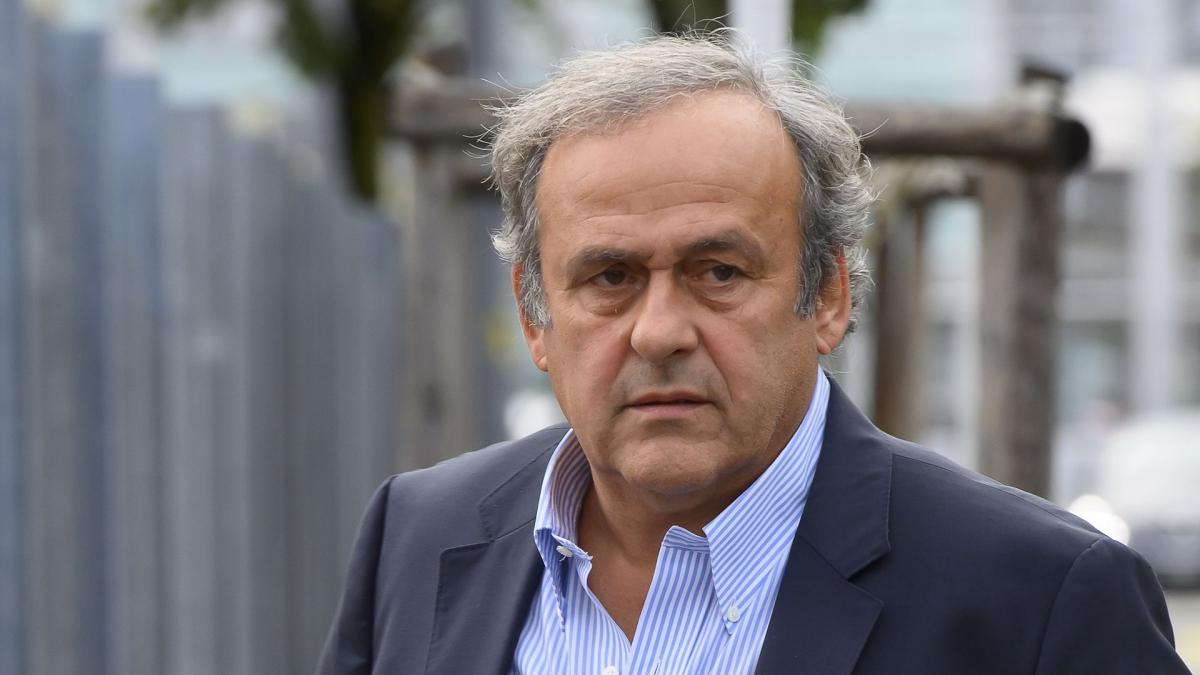
Michel Platini Weighs In on Kylian Mbappé’s Political Stance
In a recent discussion on RTL, football legend Michel Platini addressed Kylian Mbappé’s controversial remarks related to his political positions. The French football icon, who has earned the prestigious Ballon d’Or three times, acknowledged the weight of Mbappé’s words, given his status as a role model for millions. This article explores Platini’s defense of the young star while highlighting the complexities athletes face regarding their public personas.
Context of Mbappé’s Statements
Kylian Mbappé, a prominent figure in the football world, often finds himself in the spotlight, not only for his skill on the field but also for his opinions off it. Recent comments from him regarding socio-political issues sparked significant debate. In a world where athletes are expected to be both entertainers and advocates, the expectations can be daunting.
Platini’s Defense of Mbappé
During his radio appearance, Platini articulated his thoughts on how society tends to scrutinize Mbappé more for his off-the-pitch comments rather than his performance in games. He stated, “We are very tough on Kylian Mbappé, but we are tougher on his positions off the pitch than on the pitch.” This observation highlights a critical point: the pressure athletes face to conform to public expectations while expressing their beliefs.
The Role of Responsibility
While defending Mbappé, Platini introduced a nuanced view of the responsibilities associated with being a national team player. He emphasized the idea that when athletes represent their country — donning the national jersey — their statements can have a broader impact. Platini remarked, “He is right to take a stand when he is not with the armband or with the jersey of the France team. But with the armband, you play for all French people. So it’s difficult to take a position.” This underscores the duality athletes must navigate: their individual beliefs versus the collective sentiments of their supporters.
Intelligence Beyond the Pitch
Furthermore, Platini defended the intelligence of footballers, asserting that they are not “necessarily idiots.” His statement suggests that many athletes are thoughtful and deliberate in their media appearances. This point is essential in an age where public statements can be dissected and analyzed, often leading to misunderstandings about a player’s intentions.
Conclusion: Balancing Act of Advocacy and Responsibility
In a landscape where athletes like Kylian Mbappé are engines for change and sources of inspiration, the balance between personal beliefs and public responsibility is critical. Platini’s comments provide valuable insight into this delicate balance, illustrating the challenges faced by footballers who wish to advocate for change while also respecting the diverse opinions of their supporters. As the discourse surrounding athletes’ roles in society continues to evolve, it is vital to recognize the complexities involved in their positions — both on and off the pitch.