
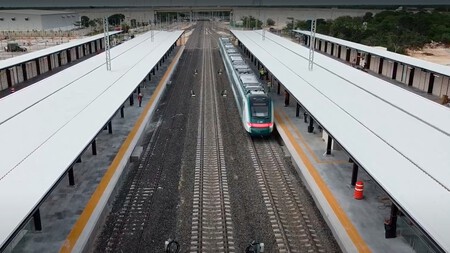
Mexico’s Mayan Train: A $25 Billion Disappointment
December 16, 2023, was heralded as a transformative day for Mexico. The Mayan Train, often referred to as a “magnum opus” by former President Andrés Manuel López Obrador, aimed to bridge the development gap in the country’s impoverished southeastern regions. However, nearly two and a half years later, it’s clear that this ambitious project has fallen short of expectations, leading to disappointed locals who had hoped for real change.
Initial Hopes and Current Realities
Initially launched to connect key areas from Campeche to Cancún, the Mayan Train’s scope has expanded to cover over 1,500 km across five states: Chiapas, Tabasco, Campeche, Yucatán, and Quintana Roo. Despite promises of boosting tourism and local economies, reports from local communities tell a starkly different story. Many residents claim they see no tangible benefits from the railway, with quality of life remaining stagnant for those living near the train’s route.
As one local lamented, “We don’t get any real benefit,” capturing the sentiment of many disillusioned individuals. Basic services like reliable electricity and access to clean drinking water continue to be elusive, despite the substantial funds allocated for this megaproject.
Ongoing Issues and Broken Promises
Residents in towns like Vida y Esperanza face troubling paradoxes. Despite living close to the train’s power lines, the lack of stable energy sources forces them to rely on solar panels and rented generators. Similarly, problems with water access remain pervasive; a farmer in Xpujil expressed frustration over chronic water shortages, a situation promised to be resolved with new infrastructure that never materialized.
Despite an initial economic growth spike of 13.2% in Quintana Roo linked to infrastructure investments, the region has since experienced a downturn, with projections of a 9.7% contraction. Additionally, while unemployment figures improved, about 60% of workers in Yucatán still hold informal jobs, further compounding the challenge of socioeconomic advancement.
The Struggle to Attract Travelers
One of the critical challenges facing the Mayan Train is its inability to attract passengers effectively. Initially projected to transport 74,000 passengers daily, actual figures fell woefully short at around 3,200—about 5% of expectations. This trend has continued into subsequent years, as revenues generated fail to cover even 13% of operational costs.
The struggle to engage local residents and international tourists stems from various factors, including high costs for locals, unfamiliarity among tourists, and the inconvenient locations of train stations. Many potential passengers opt for cheaper and more direct bus services instead, further diminishing the train’s appeal.
Government Assertions vs. Ground Reality
While government officials claim the Mayan Train is operating smoothly, stating over 1.5 million users in its first year, local sentiments paint a different picture. Authorities continue to bolster the narrative of ongoing improvements and investments, including transitioning management to the military for better control. However, the statistics and experiences of ordinary citizens speak to a disconnect between official reports and the everyday realities faced by residents.
Conclusion: The Road Ahead for the Mayan Train
The Mayan Train represents a significant investment in Mexico’s future, but its journey so far has been anything but smooth. With key infrastructure remaining incomplete, ongoing community dissatisfaction, and the challenge of drawing travelers, the project’s initial promise of development and prosperity appears to be fading. Moving forward, addressing these core challenges will be crucial for the Mayan Train to fulfill its original vision and truly benefit the communities it was designed to serve.