
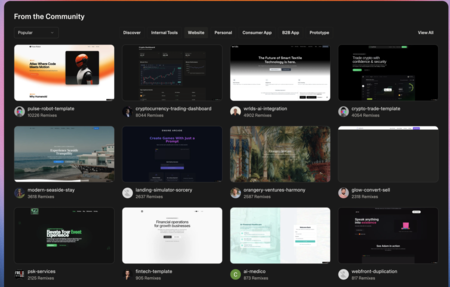
The Evolution of Website Creation
Creating a website has undergone a significant transformation over the years. Initially, users faced the tough choice of struggling with complicated tools like FrontPage or hiring professionals to bring their vision to life. As technology advanced, templates and visual editors emerged, making it easier than ever for individuals to create their own sites. Today, we’re witnessing a groundbreaking shift with the advent of AI-driven tools such as Lovable and Vercel v0, which allow users to turn a simple description into a publishable website in mere minutes.
The AI Leap
The rapid integration of AI into web creation is not just a trend; it is a paradigm shift. According to the study titled “The impact of AI-generated text on the Internet,” conducted by researchers from Stanford, Imperial College London, and the Internet Archive, an estimated 35% of new websites will be classified as AI-generated or assisted by mid-2025. Remarkably, this figure was zero in late 2022, before the launch of ChatGPT. This rapid evolution highlights the urgency and relevance of AI in shaping the future of the web.
How Researchers Measured AI Impact
To arrive at their findings, the researchers utilized the Internet Archive to analyze monthly samples of websites from August 2022 to May 2025. They examined archived copies via the Wayback Machine, extracted HTML, and processed the text for deeper analysis. A variety of detection tools were tested, with Pangram v3 emerging as the most effective in identifying AI-generated content.
Findings and Implications
The research highlighted a notable trend: websites generated by AI exhibit a “decrease in semantic diversity and an increase in positive sentiment.” While a positive tone may seem beneficial, it raises concerns about the homogenization of content. As AI-generated text proliferates, the range of unique ideas and perspectives could diminish, challenging the richness of online discourse.
A Growing Market
The emergence of AI in web creation hasn’t happened in isolation. An entire industry is forming around tools that simplify the website creation process. These applications cater to a diverse audience, from small business owners to entrepreneurs prototyping innovative ideas. According to Wise Guy Reports Data, the AI website builder market is projected to grow from $3.1 billion in 2024 to a staggering $25 billion by 2035, underscoring the increasing accessibility of online publishing.
The Future Landscape
The ongoing AI revolution is poised to reshape the landscape of web design. While it may not eliminate the need for professional web designers, it does suggest that industry standards will evolve. Certain projects will still require the nuanced touch of human creativity and expertise, emphasizing design, architecture, and maintenance. However, it is likely that professionals will increasingly rely on AI tools to enhance efficiency and streamline their workflows.
As we look ahead, the future of website creation appears to be intertwined with the capabilities of AI, making it essential for both individuals and professionals to adapt to these changes.
For more insights on the advancements in technology, check out additional articles on emerging trends in AI and web development.