
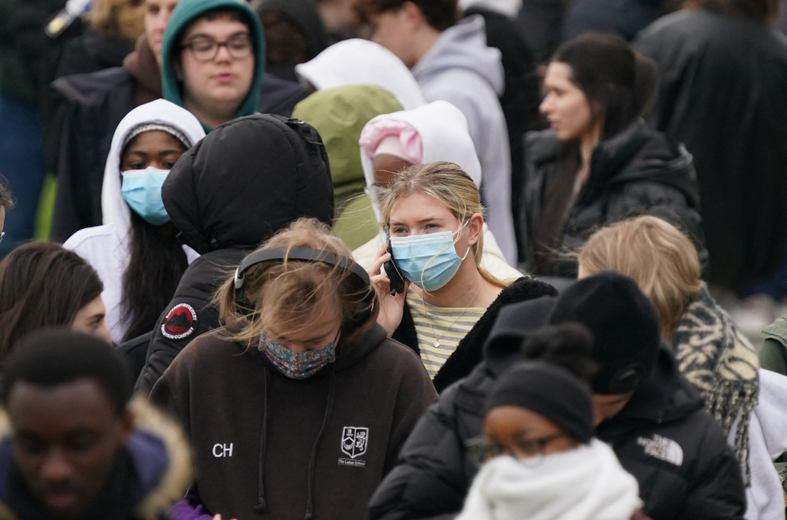
An outbreak of meningococcal meningitis has surfaced in Kent, England, raising significant public health concerns. Initially observed in Canterbury, this epidemic has grown, registering 15 cases nationwide and prompting one hospitalization in France. This situation underscores the urgency and impact of the outbreak, which the British government has deemed “unprecedented.”
The Emergence of the Epidemic
The epidemic appears to be linked to Club Chemistry, a nightclub in Canterbury frequented by students from March 5 to 7. Early reports indicate that two individuals have tragically died from the infection. As health officials continue to monitor the situation, more than a dozen others have been hospitalized, exacerbating fears of widespread transmission.
Measures Taken to Control the Outbreak
Following the confirmed cases, immediate steps have been taken to control the outbreak. The Health Crisis Center in the UK has proactively offered antibiotics to those who may have been in contact with infected individuals, including a recently hospitalized Frenchman who was a visitor from the University of Kent. This initiative is part of a comprehensive strategy to limit the disease’s spread.
Vaccination Efforts: What You Need to Know
As the outbreak heightens concerns, vaccination strategies are being deployed. Health officials have reassured the public regarding the availability of meningococcal B vaccines, though some pharmacies have reported delays in stocking the vaccines. A targeted vaccination program will begin on March 18 at the University of Kent, focusing primarily on students who may not have been vaccinated during infancy.
It is crucial to note that the vaccine becomes effective several weeks after administration and primarily protects against strains A, C, W, and Y. Conversely, antibiotics are being prioritized for immediate treatment, as they work to mitigate the bacterial spread, particularly by targeting bacteria residing in the throat.
Public Safety and Health Guidance
The British Health Safety Agency has encouraged individuals to remain vigilant and seek medical advice if they exhibit symptoms associated with meningococcal disease, such as high fever, headache, and a rash. Continuous public awareness campaigns are essential to inform citizens about preventive measures and the importance of vaccination.
As this situation develops, keeping a close eye on health guidelines and adhering to government recommendations will be vital in managing the outbreak and ensuring the safety of the community.