
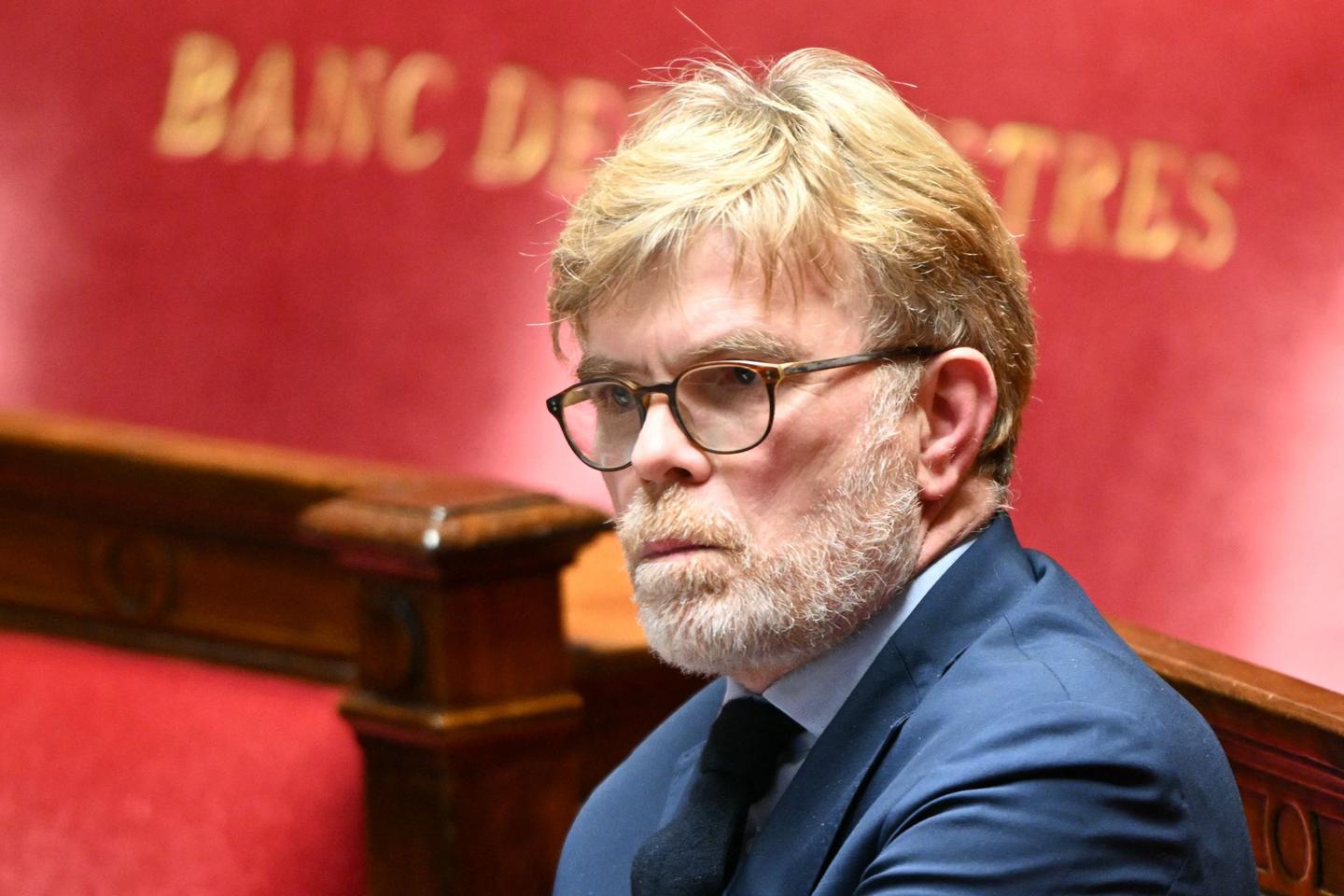

On May 24th, Marc Fesneau articulated a critical view towards the current political landscape in France during an interview with *La Tribune on Sunday*. He expressed a profound concern regarding the rising tension on sovereign issues among the leaders within the central block, characterizing the situation as an “increasing escalation” . This escalatory trend, according to Fesneau, represents a betrayal of the spirit of Macronism from 2017.
Fesneau criticized the appropriations of right-wing speeches and proposals , even those from the far-right, asserting that such an approach misrepresents the essence of centrism. He emphasized that the original vision of the central political alliance was to construct a unifying platform under President Macron’s guidance.
Regarding hard-line proposals from prominent party members such as Gabriel Attal , Edouard Philippe , and Gérald Darmanin , Fesneau lamented the disconnect from European legal frameworks and constitutional law. He argued that this rhetoric serves to stigmatize and create division rather than foster the reconciliation and unity that should be central to the political agenda.
Addressing Demagoguery in Politics
Fesneau expressed dismay over what he termed “toxic ambient demagoguery ” that distracts from genuine political dialogue. He warned that personal interests surrounding the 2027 elections could lead to extremes, emphasizing that French voters invariably prefer authenticity over political mimicry.
He pointed out that such demagoguery provides ammunition to both the Rassemblement National (RN) and La France insoumise (LFI) , allowing them to claim legitimacy on either side of the political spectrum. Fesneau called for a collective effort to ‘bring everyone back to reason,’ a sentiment resonating among many GOP members who share his concerns. He challenged his party to regain focus, asserting, “Ambient demagoguery is toxic.”
When queried about the Prime Minister’s role in navigating these complexities, Fesneau acknowledged the inherent challenges faced by the government, particularly in the absence of a clear majority in the National Assembly. He underscored the necessity for the coalition to actively regulate any political extremism , reinforcing the idea that responsibility does not rest solely on the government.