
Yavaş Visits Imamoğlu: A Symbol of Solidarity in Turkish Politics
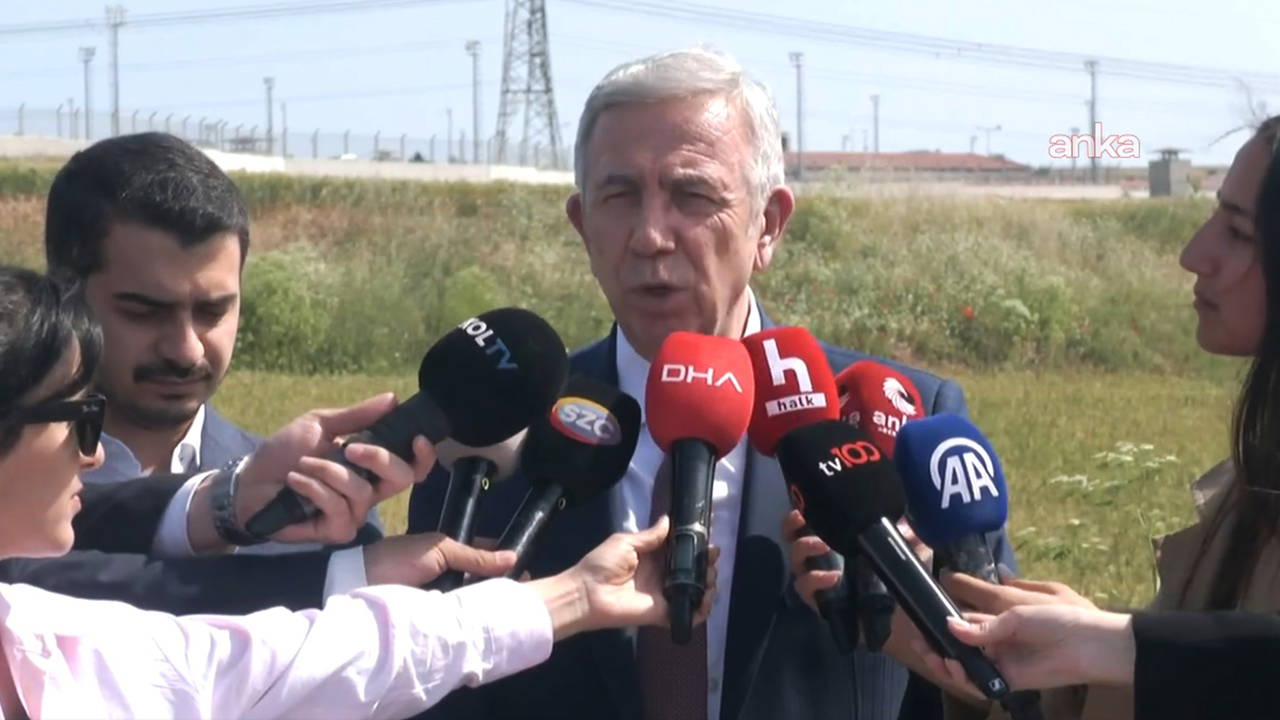
The recent visit of Ankara Büyükşehir Belediye (ABB) Başkanı Mansur Yavaş to the imprisoned Istanbul Büyükşehir Belediye (İBB) Başkanı Ekrem İmamoğlu has sent waves through Turkish political circles. This meeting took place at Silivri Prison, where Imamoğlu is currently incarcerated, highlighting the ongoing political tensions in Turkey.
A Visit with Significance
Following the visit, Yavaş spoke briefly to the press, emphasizing the importance of political solidarity during challenging times. “Kendisiyle gelişmeleri, yapılabilecekleri geniş geniş konuştuk,” Yavaş reported, reflecting on a positive discussion with Imamoğlu, who remains optimistic despite his circumstances. “Morali gayet iyi. Haksızlığa uğramış birinin üzüntüsü ama suç işlememiş birisinin de özgüvenini kendisinde gördük,” he added, underscoring Imamoğlu’s confidence even while facing unjust treatment.
A Call for Fair Trials
According to Yavaş, there’s a prevailing sentiment among the public that the trials faced by political figures like Imamoğlu are politically motivated. “Yargılamaların siyasi olduğuna dair kamuoyunda yüzde 60-65 arasında kanaat var,” Yavaş stated, indicating that a significant portion of the population believes in the politicization of the justice system. “Zaman zaman Türkiye’de siyasi yargılamalar oluyor,” he remarked, suggesting that this phenomenon is not uncommon in the Turkish legal landscape.
Imamoğlu’s Request for Transparency
Yavaş highlighted Imamoğlu’s unwavering determination: “Ekrem Bey özgüvenle yargılanmasının canlı yayında TRT yapılmasını istiyor,” he stated, referring to Imamoğlu’s request for his trial to be broadcasted live on state television. This public demand represents more than a desire for transparency; it is a bold display of confidence in his innocence and a challenge to the integrity of the judicial process.
The Political Dynamics at Play
Yavaş voiced a strong belief that the ongoing judicial actions against Imamoğlu and other CHP mayors are aimed at undermining their legitimacy, stating, “Başarılı olan CHP’li belediyeleri itibarsızlaştırmak yoluyla iktidar değişikliğinin önüne geçilmek isteniyor.” Such sentiments are echoed by many observers who see legal actions as instruments of political intimidation in the face of electoral competition.
Legal Framework and Its Limitations
Mansur Yavaş also pointed out the shortcomings of the Turkish legal system, particularly regarding the treatment of elected officials. “Biz belediye başkanları olarak, hiçbir dokunulmazlığımız yok,” he explained, highlighting the precarious position of local leaders within the judicial system. He emphasized the need for adherence to legal protocols, such as the 4482 law concerning municipal responsibilities, which appear to be neglected in current political trials.
Addressing the Infamy of False Accusations
In a broader context, Yavaş expressed his concerns about the consequences of such political maneuvering. “Ortada itiraf değil, iftira vardır,” he stated emphatically, denouncing the climate of fear that compels individuals to resort to false testimony in order to avoid imprisonment. This assertion underscores a deeper issue within the legal framework, which he argues, fundamentally undermines the principles of justice.
Civil Rights and Social Justice
In discussing the implications of recent changes to the Turkish Penal Code, particularly regarding incarceration rates, Yavaş pointed out the disparity in how justice is served in Turkey. “İnfaz Kanunu’na göre çok ağır ceza alanlar 1-2 ay yatıp çıkacaklar,” he explained, referring to lighter sentences for some, while emphasizing the harsh realities faced by those wrongly accused, such as themselves.
The Broader Impact of Injustice
Yavaş articulated a vision for a future where the truth prevails and fairness in judicial processes is restored, stating, “İnşallah bu yargılamaların ne kadar haksız olduğu ortaya çıkacak.” His belief that injustice will eventually give way to transparency and truth aligns with a growing demand among Turkish citizens for accountability in governance.
As political tensions rise in Turkey, interactions such as the visit between Yavaş and İmamoğlu not only symbolize a dedication to solidarity but also draw attention to the pressing concerns over legal rights and justice in the country. These developments pose critical questions about the future of Turkish democracy and the role of its institutions in safeguarding against political oppression.