
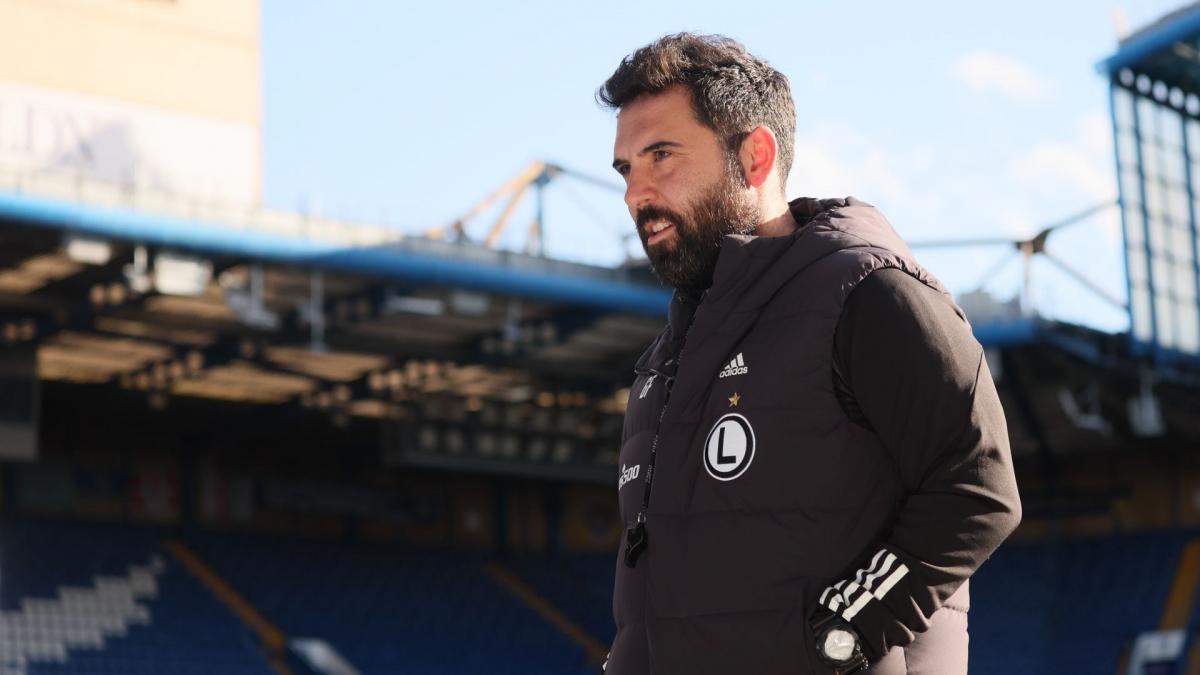
Gonçalo Feio’s Abrupt Departure: A Rollercoaster of Controversies
In a surprising twist in the world of professional football, the USL Dunkirk announced the termination of Gonçalo Feio’s contract on July 13. Feio’s brief stay at the club was marked by considerable controversy and upheaval, leaving many to ponder the future of the team without their new head coach. Appointed only on June 20, Feio was brought in to replace Luis Castro, tasked with elevating a team that had finished fourth in the previous league.
Gonçalo Feio, a 35-year-old Portuguese, arrived at Dunkirk with an impressive coaching background. Having served as an assistant to Marek Papszun at Rakow Częstochowa and leading roles at Motor Lublin and Legia Warsaw, his reputation in Poland was a mixed bag of achievement and controversy.
Career Background: A Promising Start
Feio’s earlier career is dotted with both success and scandal. He began playing for Benfica but had to retire at the age of 17 due to a tragic car accident. Residing in Poland, he garnered experience and success. His crowning achievement came while at Legia Warsaw, where he helped the team secure the Polish Cup. Despite this, his time in Poland was riddled with incidents that clouded his reputation.
As an assistant at Rakow Częstochowa, Feio was fired following a public altercation with Papszun. His time at Motor Lublin included a successful promotion to the first division but was also marred by concerning disciplinary actions. Reports emerged of humiliation and hostile behavior towards players, challenging the notion of effective leadership.
Controversial Leadership Style
Feio’s management style has drawn significant criticism. Incidents of harassment and intimidation reportedly created a toxic environment for players. One disturbing account involved Feio reprimanding a player in front of the entire team, leading to emotional distress. Allegations swirled around his temperament, suggesting that his aggressive approach instilled fear rather than motivation.
Reports of conflicts extended even to club personnel. His relationships with coaching staff deteriorated, culminating in a public backlash against assistant Martin Bielec for alleged humiliation during staff meetings. The atmosphere under Feio’s leadership was described as “hyper-negative,” raising concerns about player performance and morale.
Personal Life: A Shadow Over Professionalism
Beyond the pitch, Feio has found himself embroiled in serious allegations regarding his personal life. Accusations of neglecting paternal responsibilities surfaced, leading to a legal battle over paternity and child support. The child’s mother, represented by lawyer Aleksandra Kossakowska, has publicly urged Feio to acknowledge his role as a father, stating, “We want him to take responsibility for his actions.” This legal drama adds an unsettling layer to Feio’s already controversial image.
Dunkirk’s Gamble: A Short-Lived Affair
In Dunkirk, Feio’s reign lasted only three weeks and included two friendlies—one a tie against Versailles and another a loss to Boulogne-sur-Mer. Despite the brief stint, his rigid approach left players feeling dissatisfied and apprehensive. Demba Ba, co-president of Dunkirk, had high hopes when hiring Feio but expressed disappointment at how the situation unfolded.
Ba reflects, “There was a risk we were aware of. But in our exchanges, we had been very clear on essential notions of unity and humility.” His vision for nurturing talent clashed with Feio’s aggressive methods, culminating in the abrupt severing of ties.
Dual Narratives
The perspectives surrounding Feio’s termination reveal the complexities of football management. On one hand, Ba emphasized the importance of unity and growth for the team, while Feio countered by stating that the club’s ambitions did not align with his. He expressed, “The project did not have the same ambitions as me, and when it happened, it was the best decision.”
This duality encapsulates the multifaceted nature of football management, where individual ambition often clashes with institutional goals.
The fallout from Feio’s departure raises important questions about the future trajectory of USL Dunkirk and the impact of leadership styles on team dynamics. As the club navigates this change, it remains to be seen what direction they will take, both on and off the pitch. The essence of teamwork, mutual respect, and shared ambitions will likely drive the narrative forward in this evolving landscape of French football.