
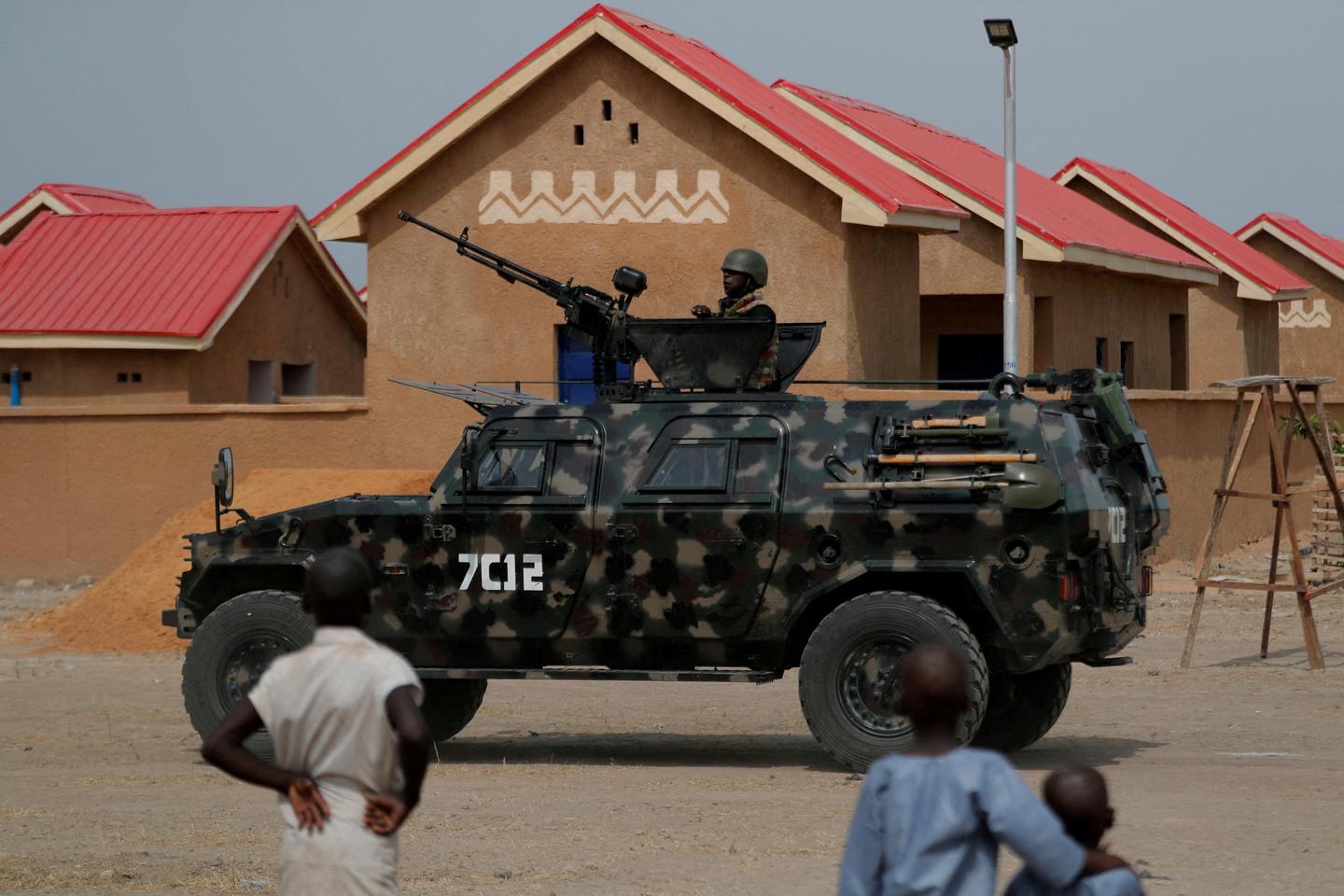

In the northeast region of Nigeria , several dozen people have tragically lost their lives due to two recent attacks by armed groups. This alarming situation was reported by both local officials and villagers on Saturday, May 24. Governor Agbu Kefas of Taraba State shared in a statement that “dozens of people would have lost their lives and their property” in the Karim Lamido district, further highlighting the severity of these incidents .
Although the governor did not specify an exact number of casualties, reports from villagers in Munga and Magani estimated the death toll to be nearly 30 individuals . These attacks underscore the ongoing security crisis in the region, which has been plagued by banditry and jihadist violence .
Eyewitness Accounts of Violence
“It was midnight , and I heard shots. I woke up my brother and other people in the neighborhood,” recounted Moses Kefas, a resident of Magani. “After the departure of the armed men, we returned and I saw 16 bodies scattered in the village.” Similarly, Andrew John, who resides in Munga, described his horror as he reported having “seen a dozen bodies” in his village following the attack.
The region has been increasingly targeted by armed groups, often referred to locally as “bandits.” These groups engage in violent assaults on villages, brutally killing and abducting residents for ransom while also setting homes ablaze after looting. This pattern of violence is particularly prevalent in the northwest part of Nigeria.
The tragic events of Saturday represent just the latest incidents in a series of violent outbreaks that have swept through Northeast Nigeria in recent weeks. The jihadist groups operating in the area have intensified their attacks, creating an environment of fear and instability.
Government Response and Security Challenges
The surge in violence has brought the issue of security in Nigeria to the forefront of national discussions. Various human rights organizations and observers have criticized the government’s response , citing inadequate measures to protect civilians and curb the activities of these armed groups. President Muhammadu Buhari’s administration has been under immense pressure to restore safety in the affected regions.
Moreover, analysts suggest that to tackle the underlying issues leading to this violence, comprehensive solutions must be implemented. This includes economic development in impoverished areas, social cohesion initiatives, and a stronger, more effective security infrastructure. Only then can the cycle of violence be broken, and communities restored.
International Community’s Role
The international community has also expressed concern over the deteriorating security situation in Nigeria. Foreign governments and international organizations have been monitoring the situation closely and have offered support for humanitarian assistance and development projects aimed at stabilizing affected regions.
Collaborative efforts are essential for providing intellectual resources , logistical support, and funding for initiatives targeting emergency relief, rehabilitation, and long-term development strategies that will help reduce violence in Nigeria.
Conclusion of the Current Situation
As violence continues to unfold in Nigeria’s northeast, the resilience of the affected communities is continually put to the test. The heartbreaking accounts of eyewitnesses reflect the urgent need for immediate intervention and long-term strategic planning. It is imperative that both local and international bodies come together to pave the way for a safer and more secure Nigeria.