
Update on the Situation, Sunday, May 18, at 9 p.m.
US Vice-President JD Vance received Volodymyr Zelensky in Rome. The discussions primarily focused on “The situation on the front, preparations for the exchange of Monday”, as outlined by sources close to the Ukrainian presidency. This meeting highlights international diplomatic efforts aimed at alleviating tensions in the region, particularly in light of the ongoing crisis.
The Ukrainian President was also received by Pope Léon XIV. During their encounter, the pope remarked, “Ukraine finally awaits negotiations for just and lasting peace.” This statement follows a mass that marked the commencement of his pontificate, indicating the Vatican’s interest in advocating for a peaceful resolution to the conflict.
Vladimir Putin reiterated his willingness to “eliminate” the “causes” of the conflict in Ukraine two days after the first substantial talks with Kyiv since 2022. However, these discussions did not lead to a truce, raising questions about Russia’s commitment to peace and stability in the region.
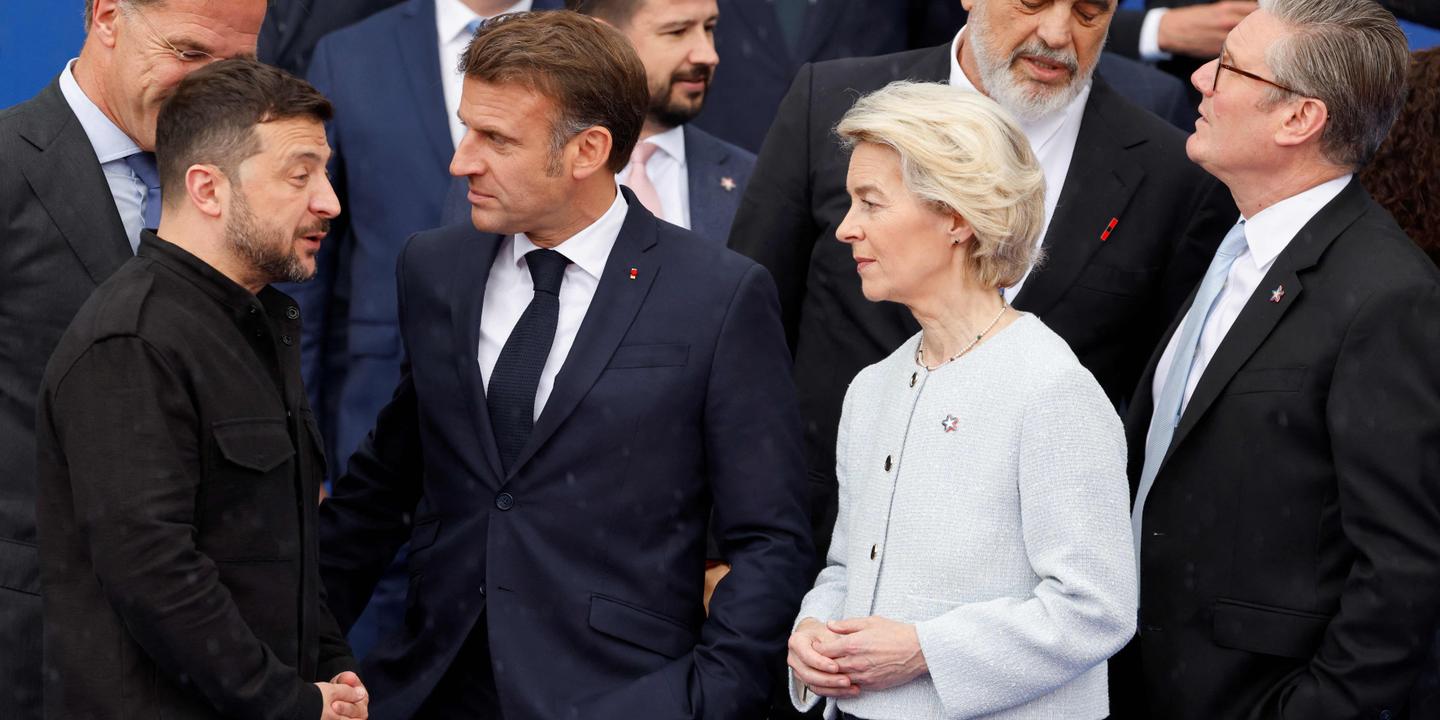
The German Chancellor, Friedrich Merz, announced plans to engage with Keir Starmer and Emmanuel Macron. He aims to discuss strategies with Donald Trump before the American president’s upcoming interview with Vladimir Putin. This coordinated effort underscores the significance of multilateral dialogue as a means of shaping future diplomatic exchanges, especially regarding the ongoing conflict in Ukraine.
On Sunday morning, the Ukrainian Air Force reported a staggering 273 Russian attacks since Saturday afternoon. These attacks were conducted using Shahed-type drones and “Imitative drones” (used as decoys). The Ukrainian military claimed to have successfully shot down 88 of these drones. In contrast, the Russian Defense Ministry reported the destruction of 25 Ukrainian drones operating over its territory. This stark discrepancy in claims reflects the intense military activity occurring on both sides of the conflict.
Diplomatic Movements and Military Escalations
The latest international undertakings signal a heightened urgency among global leaders to engage in discussions surrounding Ukraine. With talks between major powers, including the US, Russia, and European nations, there are clear implications for the future course of diplomatic negotiations. The contrasting military activities show that while diplomatic efforts are underway, the ground situation remains volatile.
The Role of International Leaders
US Vice President JD Vance‘s meeting with Zelensky reflects the United States’ ongoing strategic engagement in the region. By actively participating in these discussions, the US aims to bolster Ukraine’s stance against Russian aggression. Similarly, the Vatican’s involvement signifies the importance of faith-based diplomacy in addressing global conflicts.
German Chancellor Friedrich Merz’s initiative to bring together other leaders highlights a unification of Western powers around Ukraine’s sovereignty. These efforts are crucial as they foster a collaborative approach aimed at derailing potential further escalations in military actions.
Public Response and Continued Advocacy
The ongoing situation in Ukraine continues to provoke public interest and concern globally. Citizens around the world are closely monitoring developments and advocating for peaceful resolutions. Non-governmental organizations and grassroots movements are increasingly pushing for humanitarian relief for those affected by the conflict. It is evident that while military strategies evolve, there remains a significant emphasis on humanitarian efforts and the need for lasting peace.
The Future of the Conflict
As discussions unfold between major powers, the potential for strategic outcomes will depend largely on the willingness of all parties to commit to dialogue. The upcoming conversations involving Trump and Putin could significantly shift dynamics, either toward an escalation of hostilities or a breakthrough in negotiations. Analysts remain cautious but hopeful, recognizing that any form of engagement is preferable to continued conflict.
Concluding Remarks
In summary, the situation in Ukraine remains critical, marked by significant military activity and ongoing diplomatic engagements. International leaders are mobilizing to secure lasting peace, while the Ukrainian military continues to defend its sovereignty. The world watches closely as these developments unfold, hoping for resolutions that prioritize human welfare and stability in the region.