
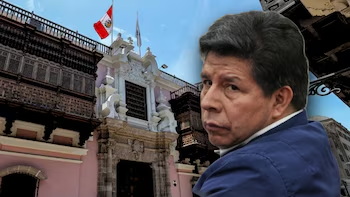
Jorge Nieto’s Suggestions to Keiko Fujimori: Routes to the Freedom of President Castillo
Background of the Discussion
At a recent press conference in San Isidro, Jorge Nieto, a former presidential candidate, laid out his recommendations to president-elect Keiko Fujimori regarding the legal avenues for the potential release of former President Pedro Castillo. The conversation is significant, occurring amidst a backdrop of political tension and legal turmoil surrounding Castillo’s imprisonment. Nieto emphasized the need for these suggestions to fall within a constitutional framework, aiming to support national reconciliation.
Calls for National Reconciliation
Nieto’s proposals come not as calls for a direct pardon but rather as avenues for potential legal relief that respect the rule of law. He stated, “I have suggested that you consider the routes so that this is within a framework of the rule of law and the Constitution.” By framing his suggestions within a context of national reconciliation, Nieto underscores the importance of a cooperative and balanced approach to governance, particularly as Fujimori prepares for her tenure.
Urgent Issues on Citizen Security
In addition to discussing Castillo’s legal situation, Nieto highlighted pressing concerns surrounding citizen security in Peru. He articulated that a reliance on armed confrontation could be counterproductive, warning against the dangers seen in other nations, such as Mexico, where armed conflicts against drug cartels have led to extensive loss of life and an empowered criminal underworld.
In response, Nieto proposed strategies centered on technological innovation, intelligence gathering, and reform of the Peruvian National Police (PNP). His colleague, General Oscar de Jesús Reto, echoed these concerns, advocating for enhanced oversight and counterintelligence mechanisms to address pervasive corruption within the policing institutions.
Addressing Environmental Concerns
The press conference also addressed the upcoming El Niño Coastal Phenomenon. Nieto criticized the lack of preparedness for potential climate disasters, indicating that the country is lagging in necessary preventative measures. He highlighted the serious issue of deactivated containment structures that could mitigate environmental damage. His recommendations included restoring those structures and implementing advanced preventive machinery to safeguard vulnerable zones.
A Position of ‘Loyal Opposition’
Nieto clarified that neither he nor any members of his political party, Good Government, would join Fujimori’s cabinet. Instead, they will adopt a stance of “loyal opposition,” supporting initiatives that benefit the nation while opposing those deemed detrimental. This position emphasizes their commitment to the country over partisan interests.
Conclusion: A Cooperative Future
As the political landscape in Peru shifts with Fujimori’s leadership, Nieto’s proposals provide a framework for navigating complex issues surrounding national security, environmental preparedness, and the contentious matter of Castillo’s imprisonment. With an emphasis on collaboration and constitutional respect, these discussions may set a precedent for future governance in Peru. Both leaders must balance their ambitions with the pressing needs of their constituents, signaling a potential pathway toward a more united political future.