
Sheinbaum Accuses Calderón of Protecting the Sinaloa Cartel
Context of Accusations
On July 10, President Claudia Sheinbaum made headlines by accusing former President Felipe Calderón of enabling the Sinaloa Cartel’s operations. This revelation came in the wake of growing concerns regarding the influence of the Sinaloa Cartel on Mexico’s security landscape. Sheinbaum highlighted that Calderón “opened the doors for U.S. agencies to conduct operations in our country” while allegedly protecting the Sinaloa Cartel from rival organizations.
Sheinbaum’s Statements
During her address, Sheinbaum emphasized that Calderón’s administration allowed U.S. agencies, including the FBI, to function in Mexico without proper oversight. She stated that this led to vulnerabilities that criminals, such as the notorious “El Mayo” Zambada, could exploit. Her comments have reignited discussions about the efficacy and motivations behind U.S.-Mexico cooperation in combating drug trafficking and organized crime.
U.S. Response and Focus on Gun Trafficking
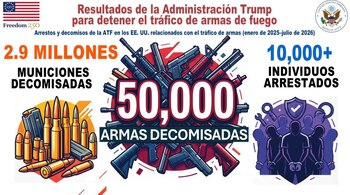
The allegations coincided with statements from Ronald Johnson, the U.S. Ambassador to Mexico, who underscored the results from the Trump administration in targeting arms trafficking linked to Mexican cartels. Between January 2025 and July 2026, the Bureau of Alcohol, Tobacco, Firearms and Explosives (ATF) reported seizing nearly 50,000 firearms and arresting over 10,000 individuals involved in arms trafficking.
Johnson praised the collaboration between the U.S. and Mexican authorities, claiming it was part of a broader strategy to dismantle cartels. He emphasized that joint efforts aimed to enhance safety for citizens living near the U.S.-Mexico border.
Recent Developments in Crime and Law Enforcement
In related news, Mexican authorities apprehended Juan Antonio “N,” an alleged murderer linked to a transportation service in Culiacán, with assistance from the U.S. Consulate in Hermosillo. The cooperation between the Specialized Arrest Unit and the Ministerial Criminal Investigation Agency was vital in locating and capturing the suspect.
Additionally, six individuals linked to the CJNG were sentenced to 60 years in prison for express kidnapping, marking a significant win for law enforcement against organized crime in Mexico.
U.S. Case Against “Z-40” and “Z-42”
Meanwhile, the U.S. Justice Department has ruled out any plea agreements with Miguel Ángel and Omar Trevino Morales, former leaders of the Zetas cartel. A new hearing is scheduled for September 10, where a trial will be established for crimes including drug trafficking and money laundering.
Future Implications
The ongoing allegations against Calderón and discussions about U.S. involvement in Mexico’s security policies raise critical questions regarding the effectiveness of collaboration in combating organized crime. As tensions rise between past and current administrations, the potential for improving strategies and legal frameworks becomes essential for controlling the rampant drug trafficking problem within the country.
In summary, the focused cooperation between U.S. and Mexican authorities is under scrutiny amid accusations of past failures in handling organized crime. The future will require more transparency and collaboration to ensure the safety and security of both nations.