
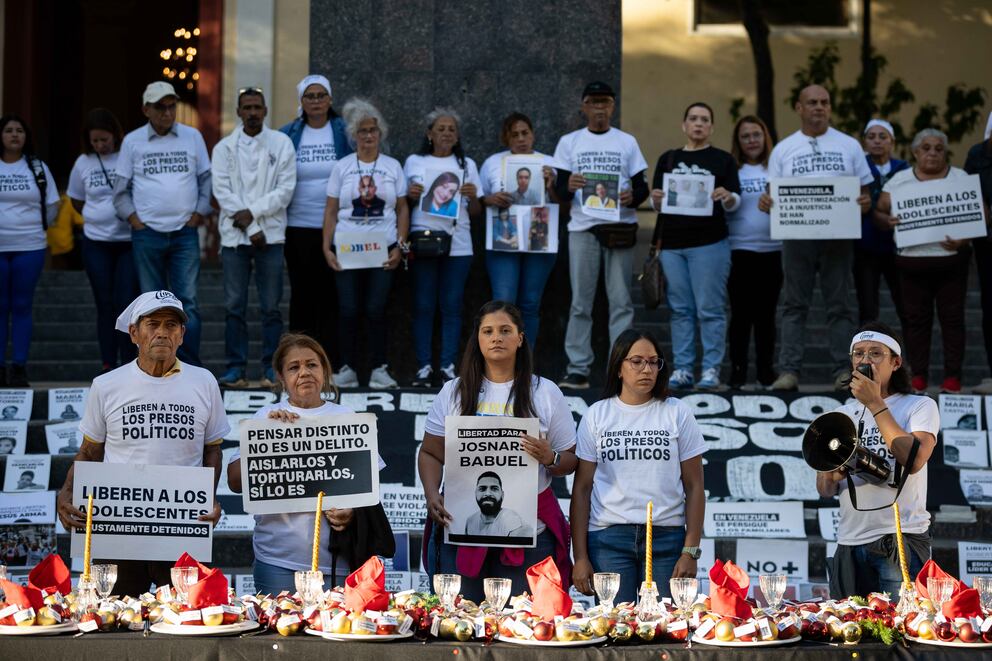
Death of Political Prisoner Edison José Torres Fernández
Overview of the Incident
The tragic death of Edison José Torres Fernández, a political prisoner, has sent shockwaves through Venezuelan society. This incident occurred on January 10, 2026, just two days after the regime announced the release of 16 detainees. Reports indicate he was a member of the Portuguese State Police with over 20 years of service, arrested for voicing criticism against the dictatorship.
Background on Edison Torres Fernández
Edison Torres was a dedicated public servant, actively engaged in the Guanare hospital brigade. His arrest on December 9, 2025, came after he openly criticized the regime. Officially, he faced charges of treason and criminal association, highlighting the oppressive nature of the current government towards dissenters.
Circumstances Surrounding His Death
The Committee of Relatives for the Freedom of Political Prisoners (CLIPP) reported Torres Fernández’s death occurred while he was in the custody of the National Bolivarian Police at Zone 7, yet further details remain unreleased. There is increasing concern regarding the transparency and accountability of the state regarding the treatment of prisoners.
Lack of Information and Transparency
To date, officials have not disclosed any information regarding the circumstances or medical care provided to Torres during his detention, prompting the CLIPP to hold the state responsible for his wellbeing. They have demanded an independent investigation to determine the cause of death. The organization insists that no more lives should be lost in state custody, emphasizing that the authorities must ensure the safety of those imprisoned.
Current Situation and International Response
As this unfolding situation develops, the White House has demonstrated its commitment to supporting the Venezuelan people by signing a decree protecting Venezuelan oil revenues held in the US. This move is designed to safeguard these resources from potential seizure by creditors.
Simultaneously, the US Department of State has updated its travel advisory for Venezuela, maintaining one of the highest alert levels for American citizens. They caution that armed Chavista groups are actively identifying Americans within the country, which necessitates extreme caution for any foreign nationals present.
The Broader Context
After the capture of Venezuelan dictator Nicolás Maduro on January 3, 2026, significant changes have been proposed. Former President Donald Trump initiated an oil deal with Venezuela, aimed at restoring better relations while ensuring the interests of the Venezuelan people are prioritized in the benefits from oil sales. Such events mark a significant shift in the relationship between Venezuela and the United States, bringing long-awaited attention to the human rights abuses occurring within the country.
This tragedy, which led to the untimely death of Edison José Torres, serves as a heart-wrenching reminder of the persistent injustices faced by many political prisoners in Venezuela. As calls for justice intensify, international observing entities and governments will continue to play a critical role in advocating for human rights and supporting the release of those unjustly detained.