
## Background of the Confidence Vote
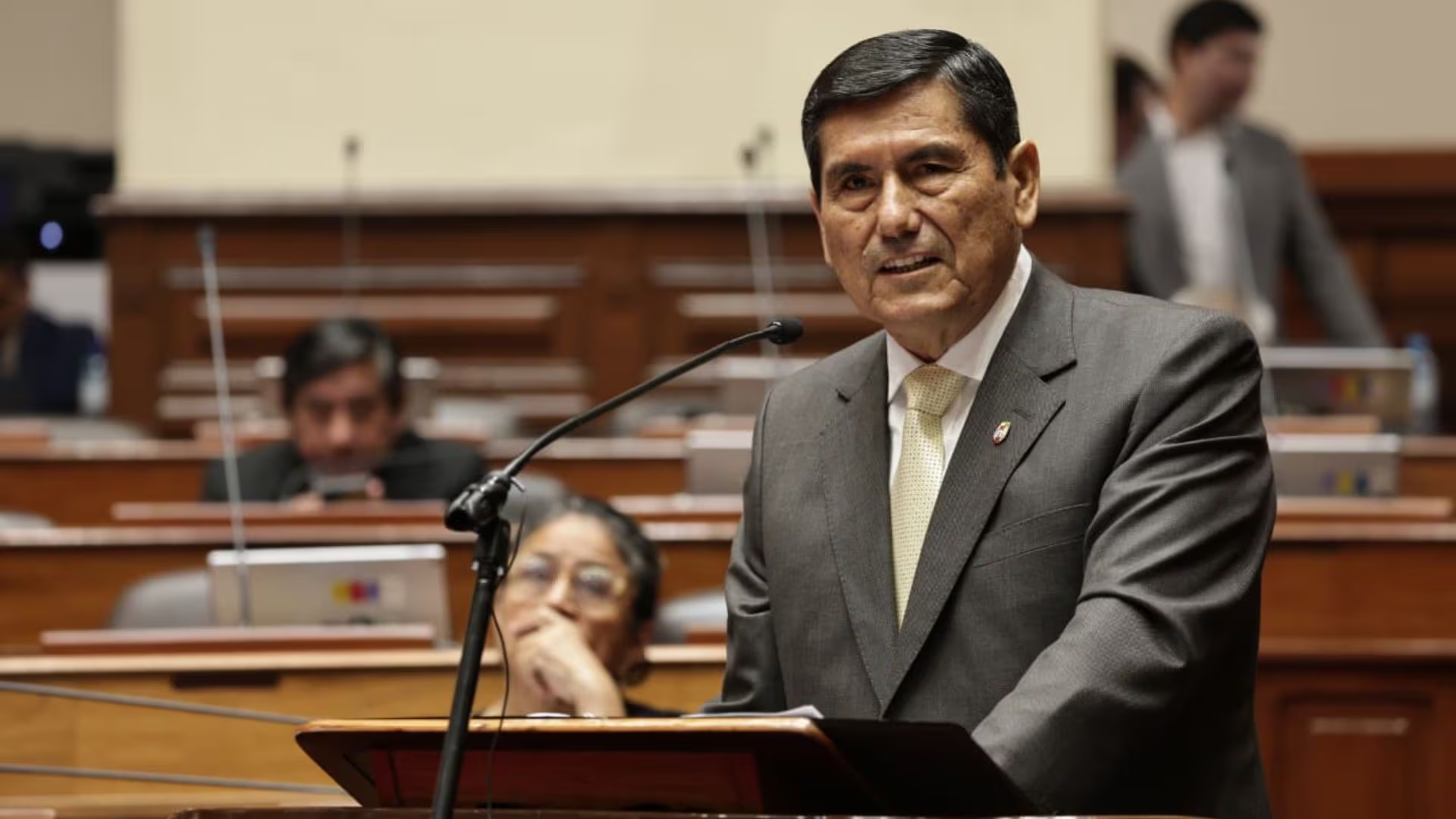
On April 16, 2026, Luis Enrique Arroyo, the president of the Council of Ministers, formally appeared before Congress to seek a vote of confidence. This request comes during a turbulent period marked by allegations of electoral fraud made by Rafael Lopez Aliaga, a candidate from Renovación Popular. Without providing evidence, these claims have heightened tensions in the political landscape as Arroyo and his ministers aim to stabilize the government until a transition period.
Arroyo’s appearance was scheduled for 10:00 am after coordination with Congress President Fernando Rospigliosi. During this session, Arroyo outlined his action plans and objectives for the concluding months of the government, with a particular focus on pressing issues like citizen security.
## The Vote Outcome
The Plenary Session culminated in a decisive decision. The Congress approved the confidence vote with 71 votes in favor, 15 against, and 17 abstentions. This endorsement means that Arroyo and his cabinet will remain in place for the next three months, facilitating a smoother transition amid ongoing political tensions.
## Key Discussions in Congress
The session wasn’t just a formality; it featured significant discussions on various pressing issues:
### Electoral Participation Concerns
Arroyo highlighted concerns regarding the participation of Armed Forces members in the electoral process. He reported that only 25% were able to vote in the first electoral round, attributing this low turnout to logistical challenges. To address this, he announced the Executive’s plan to propose reinstating the “transient vote,” allowing both military and civilians far from polling stations to cast their votes at authorized locations.
### Citizen Security and Immigration
Martha Moyano, from Popular Force, emphasized the transitional government’s obligation to ensure citizen security. Meanwhile, congressional interventions included discussions on immigration, notably from Joseph Williams of Country Advances, who questioned policies regarding the repatriation of irregular migrants from Chile.
### Demands for Accountability
Esdras Medina from Popular Renewal demanded accountability for the claims of fraud and asserted that the right to vote must be proactively protected, not reactively addressed through decrees after the fact. Furthermore, former president José Jerí argued for maintaining the vote of confidence, allowing the next government, set to take office on July 28, to inherit responsibility for the country’s critical issues.
## Conclusion
The granting of confidence to Luis Enrique Arroyo’s cabinet is a pivotal moment, amidst allegations of electoral fraud and pressing national issues. With a mandate to secure order and reignite the economy, this cabinet’s path forward will be closely watched by citizens and lawmakers alike. Ensuring accountability, citizen security, and a transparent electoral process will be integral to the government’s success in the upcoming months.