
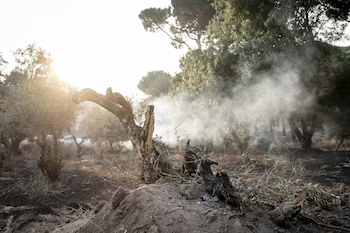
Latest Developments in the Spanish Fires
As wildfires rage across Spain, recent updates provide a sense of cautious optimism as firefighting efforts intensify. Here, we delve into the latest news regarding these devastating blazes.
Improvement in Madrid: Ayuso’s Encouraging Words
The Community of Madrid’s President, Isabel Díaz Ayuso, announced that the situation regarding regional fires is gradually improving, attributing this progress to the tireless efforts of emergency services. In a recent statement on social media, she expressed increasing optimism about the potential relocation of several municipalities, signifying a critical step toward normalcy. Ayuso recognized the significant efforts of public services and those affected by the fires, noting that the operations remain active but are trending positively.
Cantabria’s Level 2 Fire Operation
This week, the Government of Cantabria declared a Level 2 alert due to heightened wildfire risk, mobilizing all available resources for prevention and extinguishing efforts. Authorities have emphasized the importance of community caution, urging residents to refrain from actions that could spark fires, such as burning debris or improperly discarding cigarettes. The Government underscores that prevention is the most effective method to protect both the environment and community safety, maintaining vigilance as conditions evolve.
Status Update on La Vall d’Uixó
In Castellón, a significant fire has been active in La Vall d’Uixó for four days, affecting approximately 8,500 hectares. Recent humidity levels are around 80%, suggesting a beneficial condition for firefighting. The Generalitat Valenciana lifted confinement measures in La Vall d’Uixó, although evacuations in adjacent municipalities remain until the crisis abates.
Marlaska’s Positive Outlook on Fire Extinguishing Efforts
Fernando Grande-Marlaska, Spain’s Interior Minister, reported a “positive night” for firefighting efforts in the Community of Madrid. While the fire isn’t wholly controlled, Marlaska mentioned that the situation has stabilized enough for a more relaxed approach. Over 400 firefighters and members of the Military Emergency Unit (UME) were deployed strategically in critical areas to manage the flames.
Extinguishing Efforts in Valdemaqueda
Firefighting teams successfully prevented the spread of the fire in Valdemaqueda, ensuring the safety of local residents. Emergency 112 reports that night operations involved 50 ground vehicles, particularly focused on the vulnerable Cofio River area. Authorities commend the work done, although they caution that the fire is still not under control, emphasizing the need for ongoing surveillance.
Impact on Roadways
As the fires persist, 13 regional roads in the Community of Madrid currently face restrictions, affecting 178 kilometers of the road network. The closures include vital routes such as M-507 and M-540, complicating travel and logistics in affected regions.
Rising Risks in Castilla y León
In response to forecasted weather patterns that threaten to worsen existing fire risks, Castilla y León has activated a fire risk alert for the remainder of the week. Meteorological conditions predict maximum temperatures between 36 and 39 degrees Celsius, paired with low humidity, further exacerbating fire danger. The region is on high alert, particularly with predictions of storms.
Conclusion
While challenging conditions persist across various regions in Spain, recent developments provide a glimmer of hope. The response from both local authorities and community members has been commendable. As firefighting efforts continue, vigilance and adaptation to changing weather remain crucial in the fight against these devastating fires.