
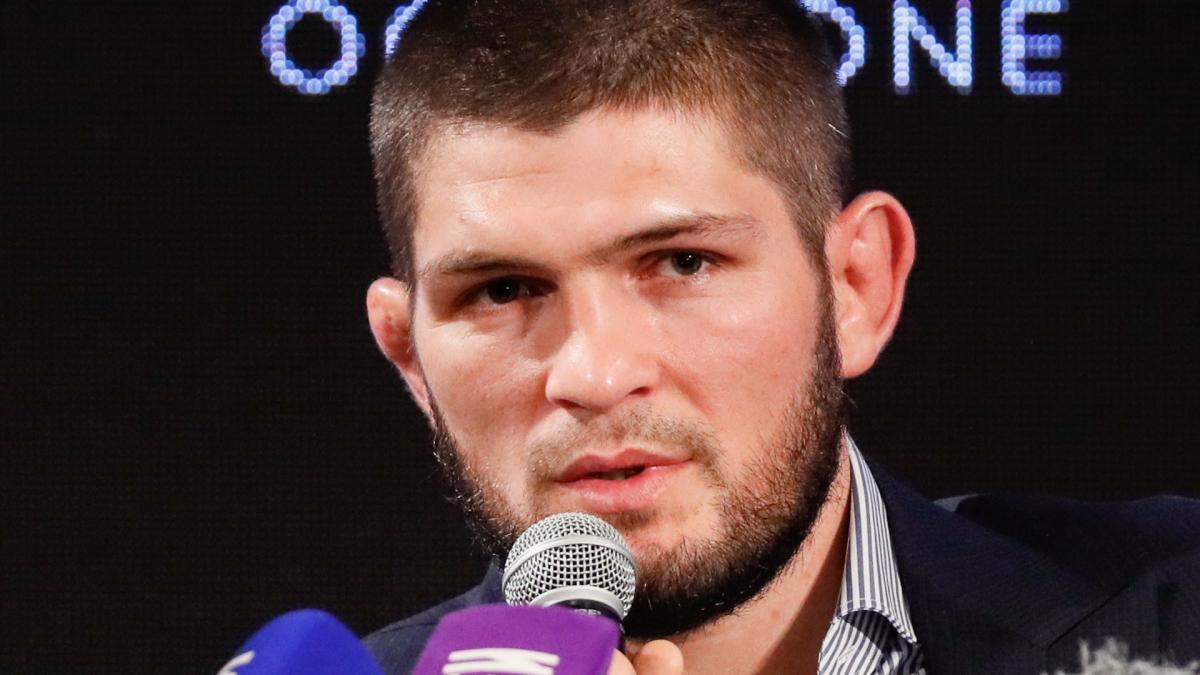
## Khabib Nurmagomedov Defends Xabi Alonso in Wake of His Dismissal
The recent dismissal of Xabi Alonso from Real Madrid has sparked a wave of reactions throughout the football community. Among the notable figures standing in solidarity with the Basque coach is Khabib Nurmagomedov, the renowned MMA fighter. Nurmagomedov’s sentiments raise critical questions about accountability in sports and the challenges faced by coaches at high-profile clubs.
### Khabib’s Strong Support for Alonso
In a recent post on Instagram, Khabib did not mince words in his defense of Alonso. The fighter emphasized the inherent responsibilities of a coach, stating, “Whether it’s in the gym or on the field, it doesn’t matter whether it’s boxers or footballers, you are responsible as a coach.” His comments reflect a broader belief that coaches should not solely be blamed for a team’s poor performance, especially when the squad includes unpredictable or underperforming players.
### The Issue of Player Accountability
Khabib’s remarks highlight a crucial point: the accountability of the athletes themselves. He asserts, “If your team exudes such an aura that some players do not meet your requirements, then you are clearly on the wrong track.” This perspective advocates for a culture where players also take responsibility for their performance, rather than shifting all accountability onto the coaching staff.
#### Changing the Players, Not the Coach
The MMA fighter went on to express his belief that “if this team does not work well with him, we must change the players, not the coach.” This statement could provoke debate among football fans and experts alike. The notion that a coach of Alonso’s caliber should be treated as expendable, while athletes—the pivotal components of a team’s success—continue to linger, raises questions about loyalty and the values of modern sports.
### Loyalty and Team Dynamics
Khabib’s critique of “spoiled children” and the transient nature of loyalty in football reflects a sentiment many fans share. He noted how a year ago, players were vocally supporting Alonso, yet their support evaporated after underwhelming performances. The fluctuation in player commitment could be detrimental to team cohesion, leaving coaches in precarious positions where they must navigate both player performance and institutional expectations.
### Final Thoughts
Khabib’s strong defense of Xabi Alonso serves as a timely reminder of the complexities within professional sports. Coaches bear the heavy burden of leading their teams, yet the athletes share an equal, if not greater, responsibility for the outcomes on the field. As discussions about Alonso’s ousting continue, it’s important for fans, analysts, and management alike to consider the broader implications of player and coach dynamics.
In a world where every match can decide a coach’s fate, the onus must not just rest with them. Khabib’s insights advocate for a more equitable distribution of accountability within teams, challenging both coaches and players to step up and demonstrate commitment to their shared goals.